Latest Posts

We Are More Powerful Together

So frequently, my fellow cohort and I have reflected on the many amazing aspects of participating in the work taking place in South Texas – the ability to utilize our skills in real-world situations, the opportunities to learn and grow as students and as people, and, of course, being involved in such an important humanitarian project that really makes a difference. One aspect that is not discussed as frequently, however, is the great opportunity we have to work with so many other people from Texas State University and other organizations and to observe and learn from their different perspectives and experiences. It’s impossible to mention all of the awesome people that we get to work with, but there are certainly a few who stand out.

Just a couple of hours into our first day at the cemetery in Rio Grande City, a big silver pickup truck pulled up and one of our favorite people climbed out of it – Sister Pam was here! I wasn’t sure if she was going to be able to join us this time, as she lives about 45 minutes away. But sure enough, she made the drive to be there with us almost every day, helping wherever she could, even helping us to dig and move buckets of heavy dirt in the Texas heat. I will never cease to be amazed by the dedication Sister Pam has to this cause and by her never-ending desire to help. Thanks again, Sister Pam!
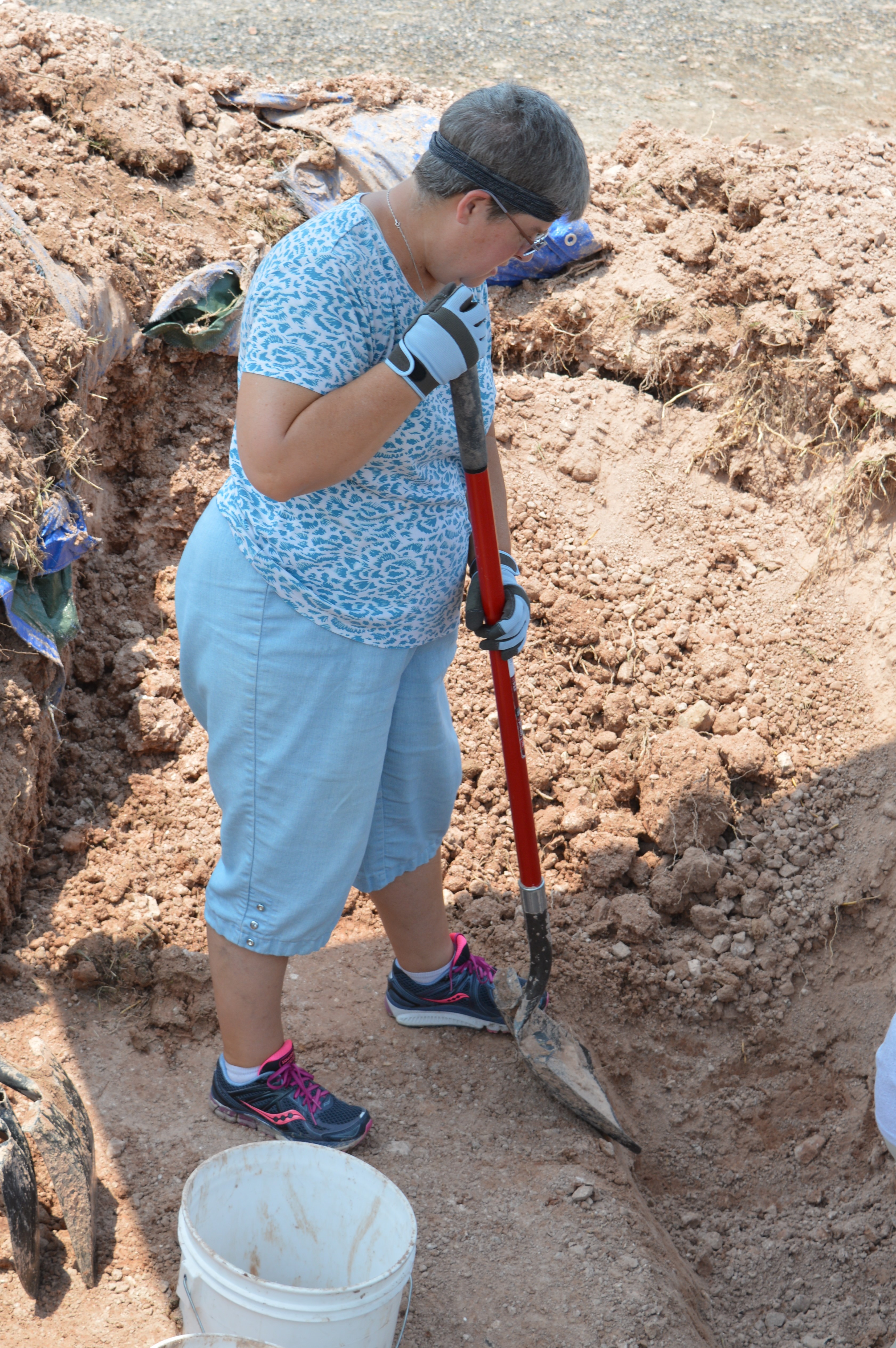
Sister Pam helping dig a trench.
Sister Pam hard at work

Dr. Kate Spradley, a professor at Texas State University, is the primary leader of the humanitarian work being done in  both Brooks County and now Starr County. She helps to keep this work going and moving forward. Having now worked with her for two field seasons in South Texas, I have gotten to know Dr. Spradley as a very kind and caring person who is devoted to this cause. Oftentimes in the field, she can be hard to find, as she is constantly on the move, helping anywhere she is needed and continuing to do much of the behind-the-scenes work that helps keep this project moving forward.
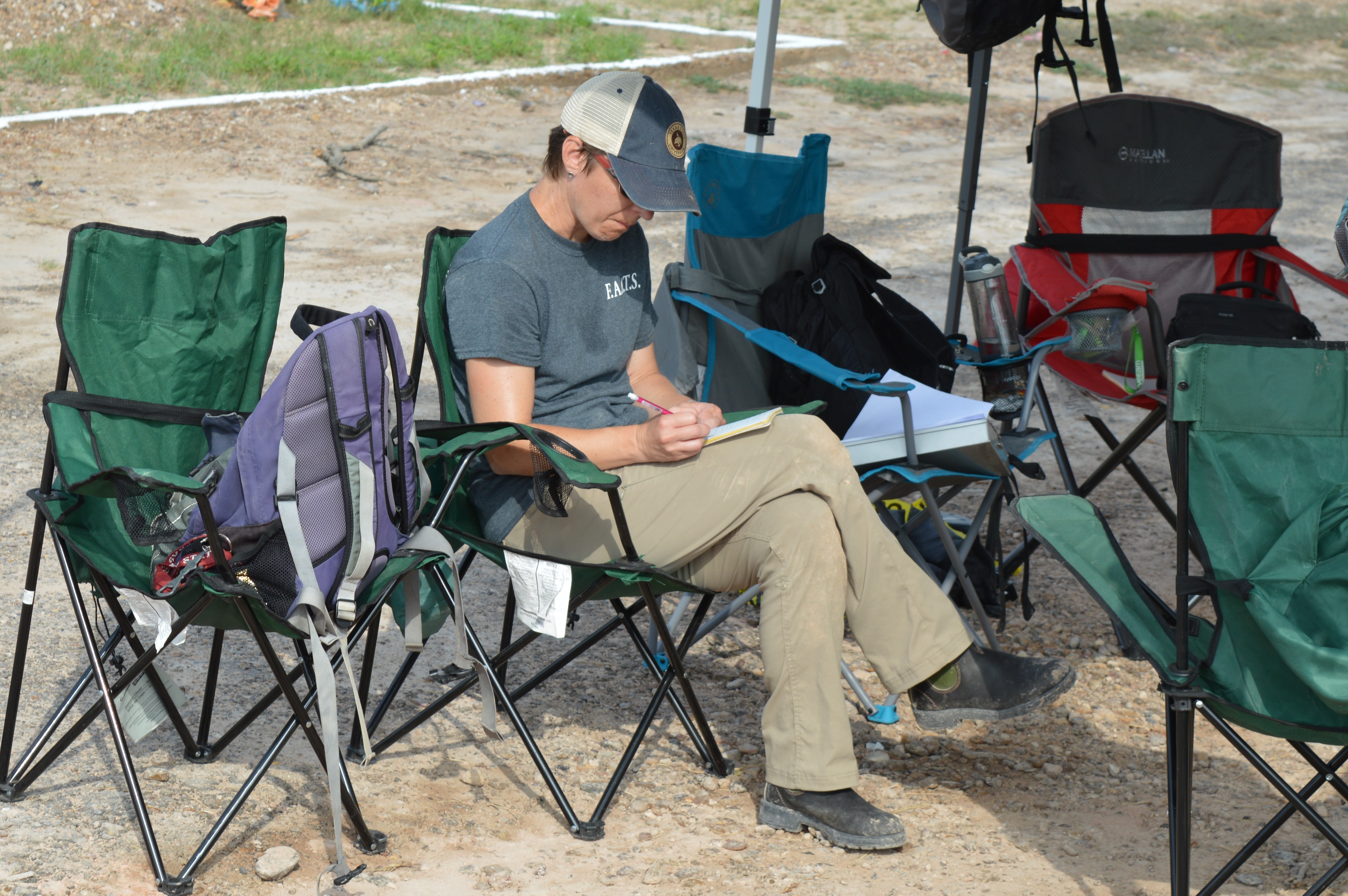
Dr. Spradley taking notes.+++
Dr. Spradley taking notes

Dr. Nick Herman was also here again during this field season. He was only there for a couple of days, but he of course brought along with him his infamous “magic stick” to take measurements. Additionally, Dr. Herman had visited the cemetery prior to our trip to take GPR readings of each of the areas. It will be interesting to see the results after Dr. Herman processes both the GPR and the “magic stick” data.
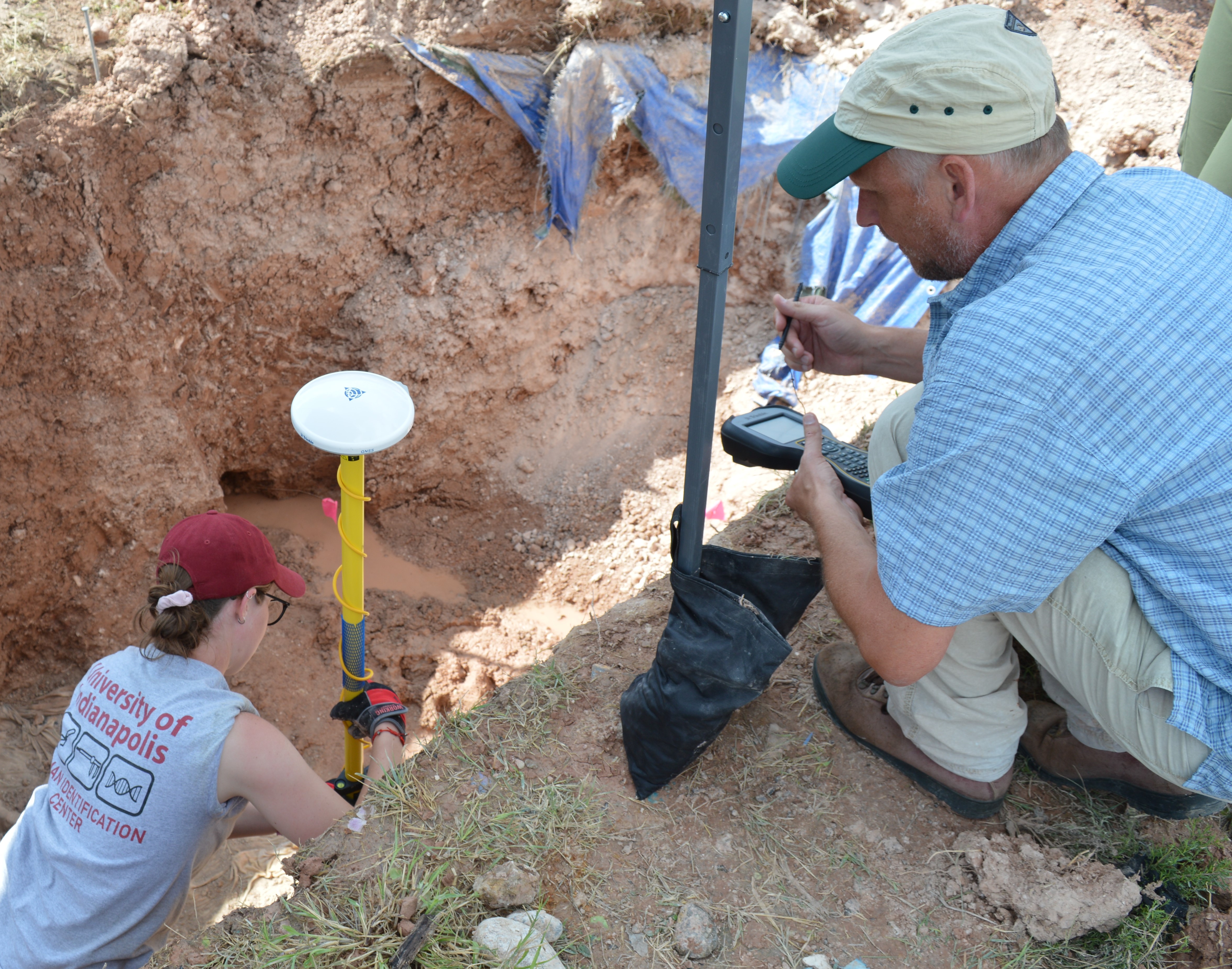
Dr. Herman and Leann mapping in burial corners.
Dr. Herman and Leann using the magic stick

I first met Dr. Tim Goche just before he completed his doctorate at The Ohio State University. We met at FLAG, the regional forensic anthropology conference in the Midwest and bonded over our mutual love for the show Scrubs. Since then, it has been awesome to learn about his impressive research and watch him move into his new role at Texas State University, quickly becoming so involved in this humanitarian project. I always enjoy working with Tim in the field and hope that we will continue to have opportunities to work together!
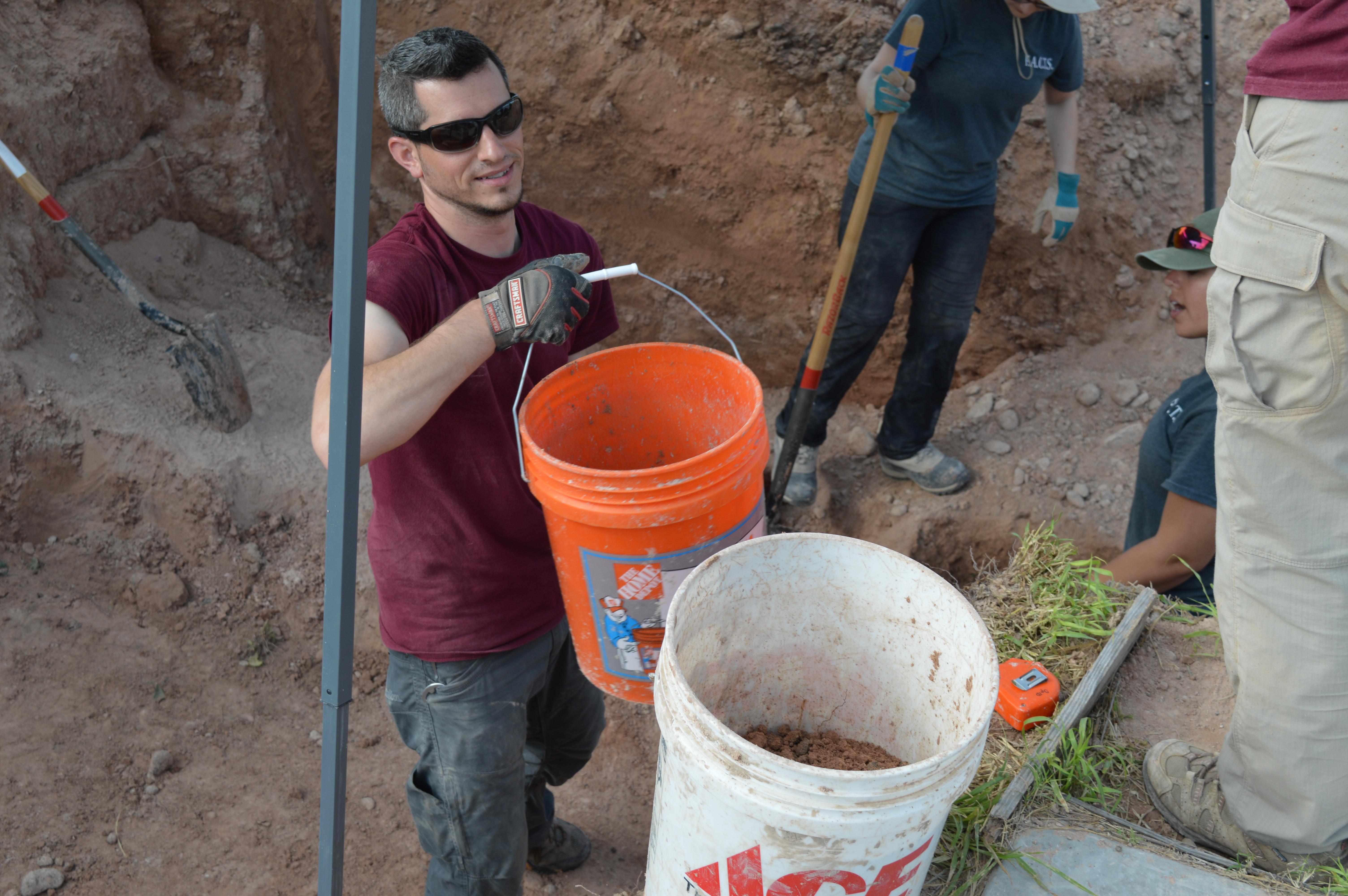
Dr. Goche moving a bucket of dirt.
Dr. Goche moving dirt with a smile on his face

All of us met Dr. JP Fancher for the first time at the beginning of the lab portion of this most recent Texas trip. He was introduced to us as a dentist who assists in the dental analysis of the migrant remains that are analyzed at Texas State. We quickly learned, however, that JP also participates in the field work and is a military medic, making it even more great to have him by our side. Even more so, JP was very kind to all of us and was always eager to offer help or educational moments whenever he could.

Dr. Fancher smiling at the camera.
JP always cheerful in the field

And, of course, my fellow teammates and I would never have had such a wonderful opportunity to be involved with the humanitarian work in South Texas without the hard work and dedication of Dr. Krista Latham. Thank you, Dr. Latham!
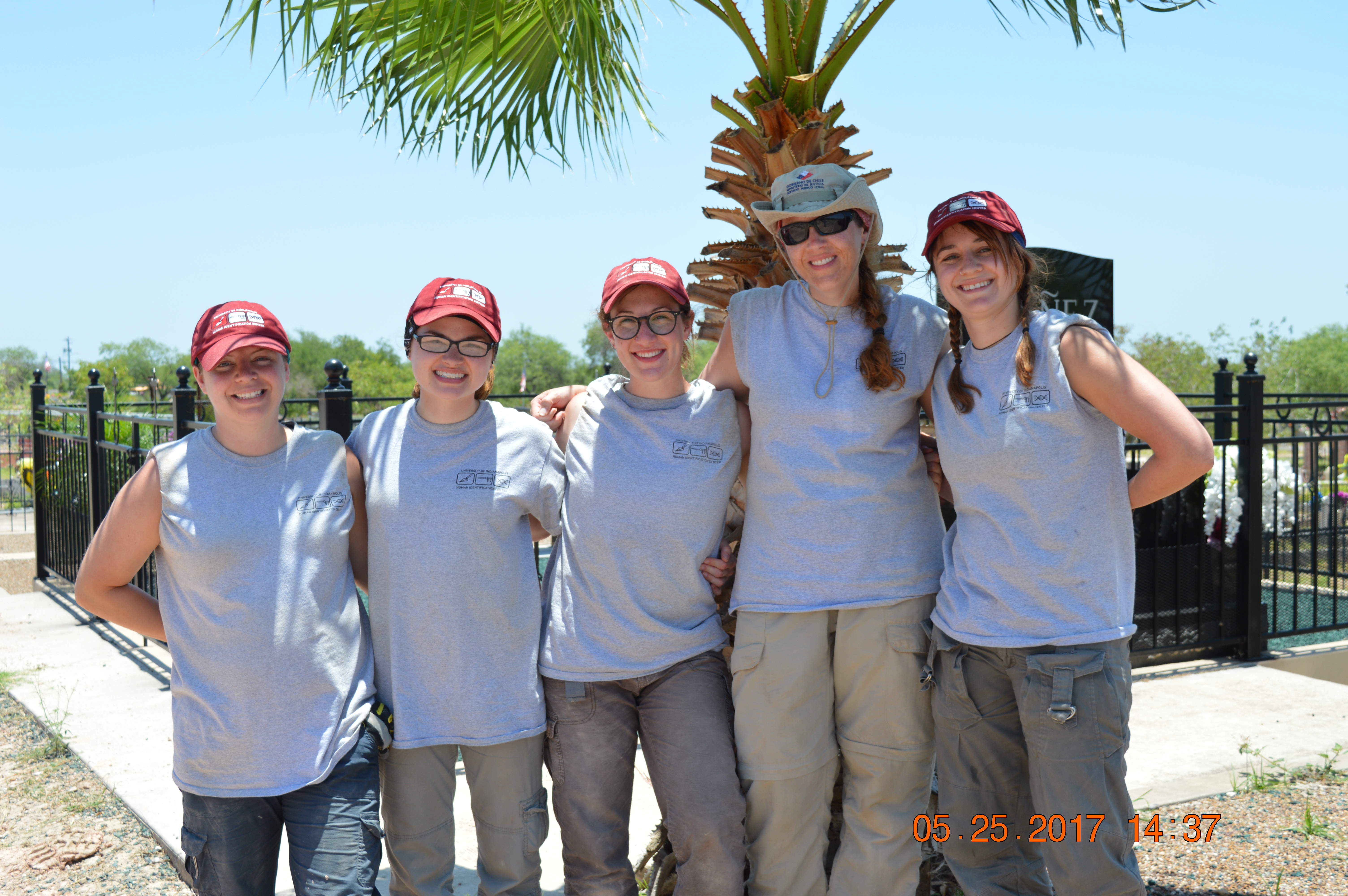
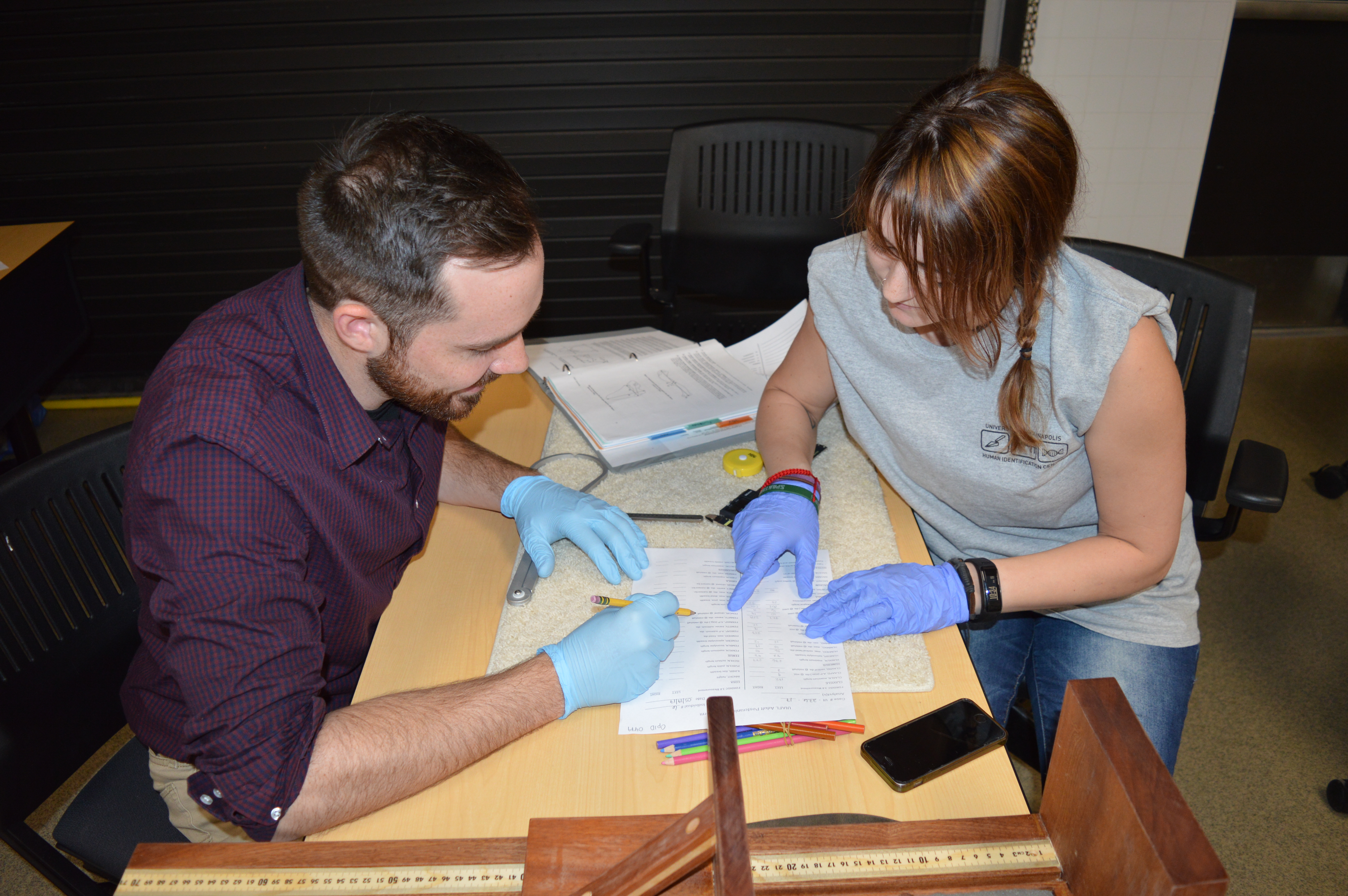
UIndy team photo.

Erica

Learning is Doing

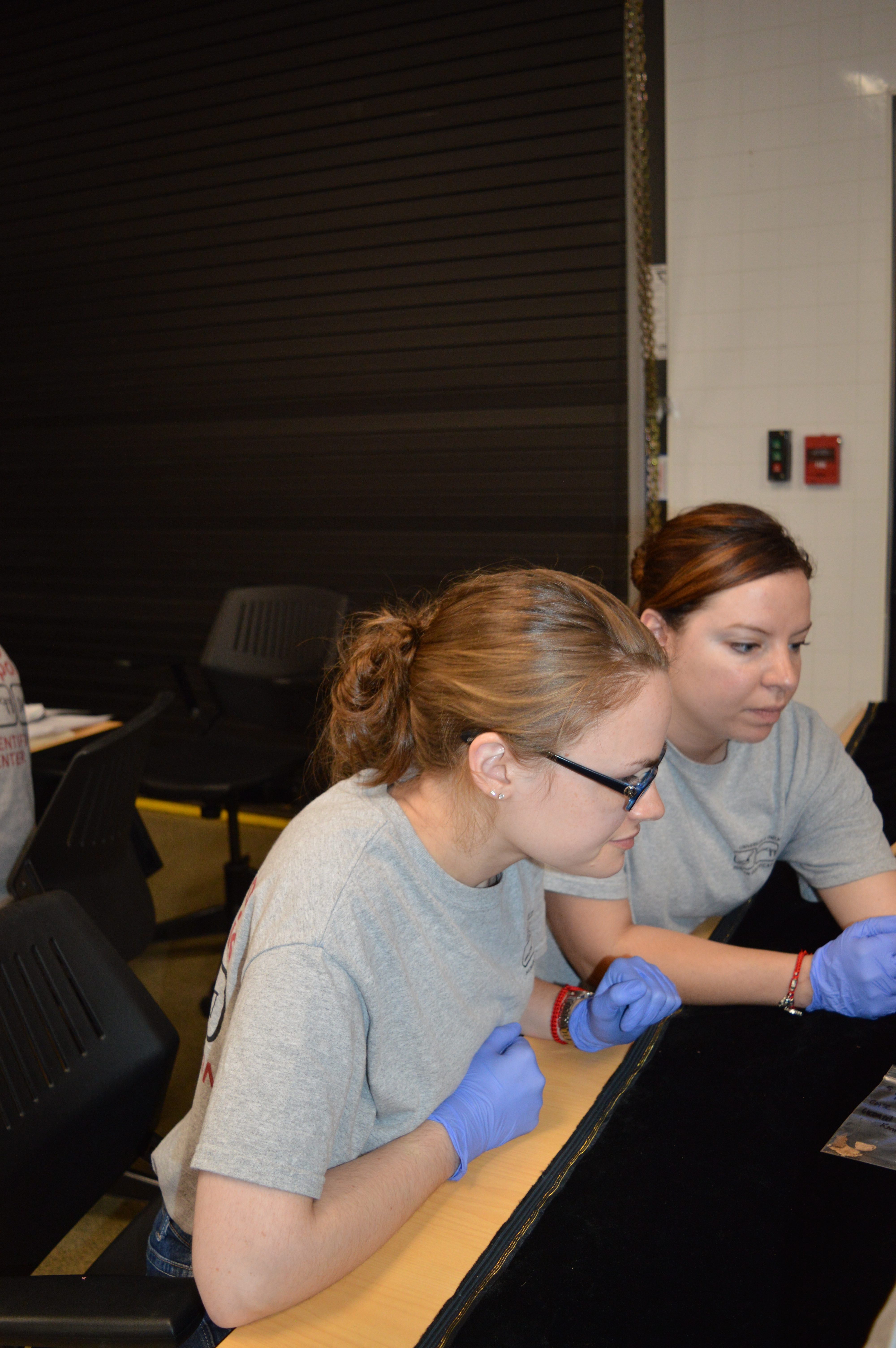
Two team members in the lab.

I think my learning style has always been hands-on.  I wonder now if it is because I compensated for my vision problems when I was a child by using my hands or if that is just naturally how I learn.  Regardless of the reason, I am so thankful for the opportunities the University of Indianapolis offers us, to use the knowledge we learn in our classes and implement that knowledge in a real world situation.  It is my goal to become a forensic anthropologist.  I know this will be a tough journey, but I am determined to get there.  I feel so thankful to have two board certified forensic anthropologists to learn from at UIndy.  It is interesting to see how both Dr. Nawrocki and Dr. Latham do things, and how while they both practice forensic anthropology, each professor does certain things slightly differently because that way works best for them.  I really appreciate being able to observe both of their styles, enabling me to gain multiple perspectives of the field.

This semester I took Human Osteology with Dr. Nawrocki, and then I was able to apply the knowledge I gained in his class during our lab days in Texas.  While applying this knowledge, I was also able to observe how Dr. Latham conducts skeletal analyses.  I am so thankful to have had the opportunity to apply my knowledge while observing Dr. Latham because I learned so much in the process.  We each develop methods for doing things that work best for us.  It is often the case that we model our own work after our mentors.  I appreciate being able observe both Dr. Nawrocki and Dr. Latham as they work because they each had different mentors in their time as students learning the field of forensic anthropology.  It allows me to develop my own methods modeled after each of theirs, as I find my way as a student studying to become a forensic anthropologist.

I am so thankful to have had this amazing opportunity to test my knowledge and to further gain knowledge on how to conduct skeletal analyses.  It is one thing to learn in a classroom, but it is a completely different thing to apply what you learned in the classroom to a real life situation.  My time doing lab work in Texas has enabled me to see the areas where I need to further study but also the areas where I feel most comfortable.  It has helped me gain a better understanding of the field of forensic anthropology and it has helped me understand that developing your own style within this field is perfectly acceptable.  I am so glad the University of Indianapolis offers experiences such as these because I feel it was incredibly beneficial to me on so many levels.

Haley

Feed the Fire

Throughout our time here in Texas, we have discussed lessons that we have learned, areas where we have done well, and areas where we can improve at the end of each night. During the lab analysis portion of this season, a lot of these lessons reflected on the education that we have received at the University of Indianapolis. Before our time in the lab at Texas State University, I hadn’t fully realized just how much I have learned during my graduate career. And being able to apply that learning to such an important cause honestly felt amazing.

Team members working in the lab.

With this being my second time participating in this work in Texas, I have not only been able to apply my education from UIndy but also my experiences from the previous trip in January. In January, however, we were only in the field and did not do any of the analyses in the lab. Therefore, my fellow students and I really had to draw from our education and experience from casework in Indiana to problem solve. And I think we did a fine job. We knew we had a lot to accomplish in our short time in the lab at Texas State and we were determined to exceed expectations. This required a lot of critical thinking and problem solving but I believe that the education and experience that we have all received at the University of Indianapolis really helped us in this regard.

It was a great experience being able to be a little more independent in these analyses, which of course also came with more responsibility. None of us shied away from this, however. We each worked together to figure out the best way to complete each task and by the third day, we had really found our groove. I really believe that in addition to everything we have learned under the guidance of Dr. Latham and Dr. Nawrocki at the University of Indianapolis, our ability to work so well together as a team to problem solve helped us to accomplish everything that we did during this Texas season. And being able to use our skills to contribute as much as we can to a real-world crisis situation that needs all the help it can get really feeds the fire to continue to work hard and stay involved as much as possible.

Erica