
I was unsure how I felt about the trip after last year. I remember sitting and trying to think of something meaningful to say, something that would help me seem intelligent, introspective, and as though I fully understood the experience. This year has shown me just how much I still do not know.
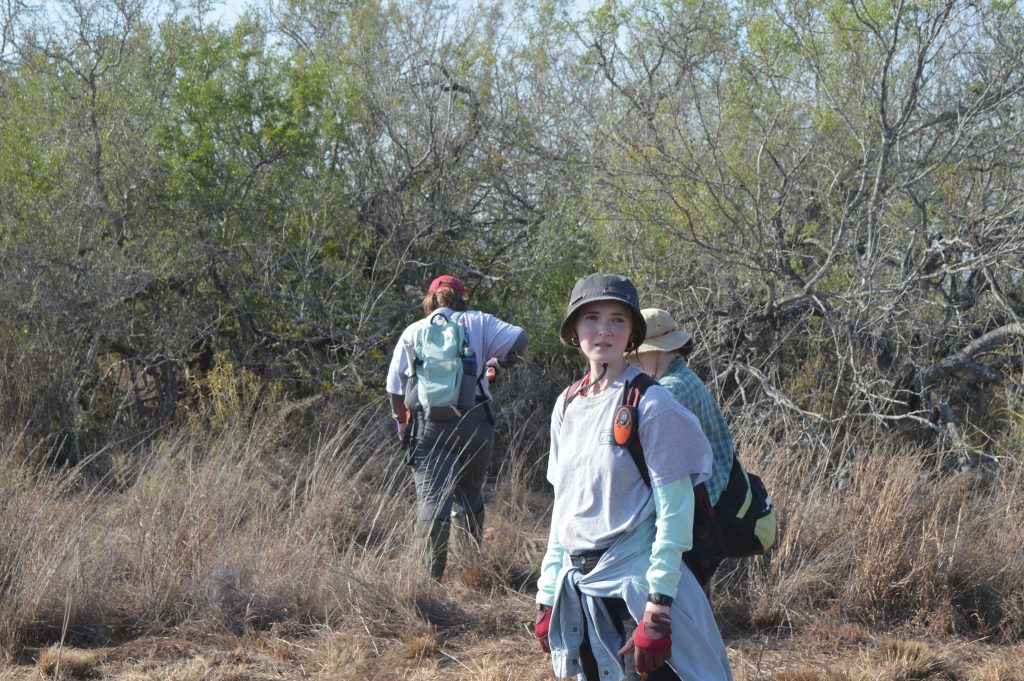
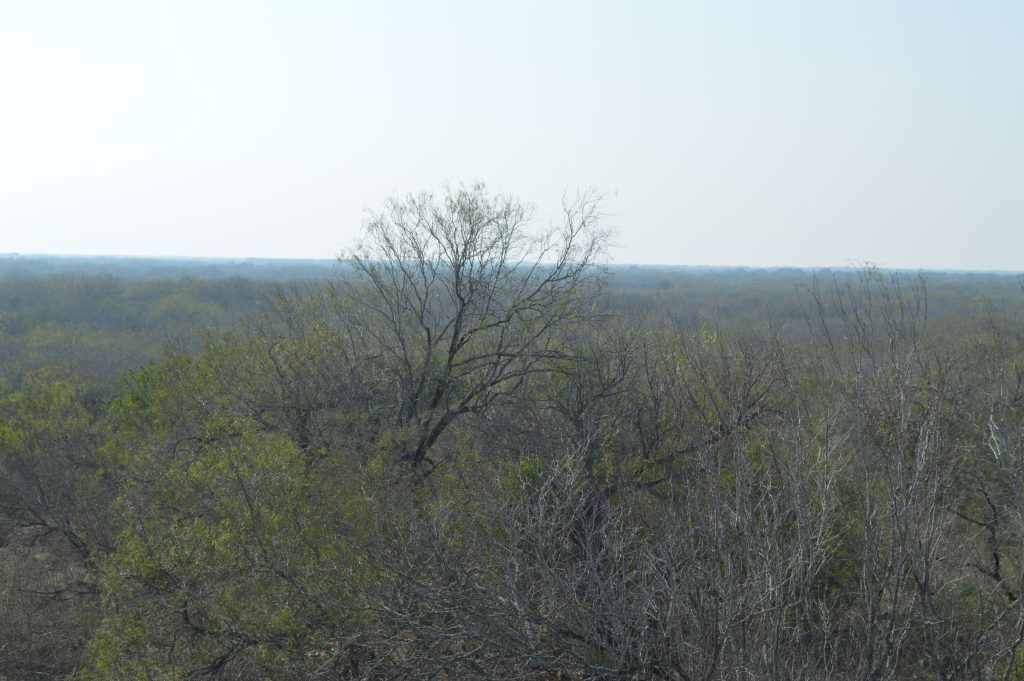
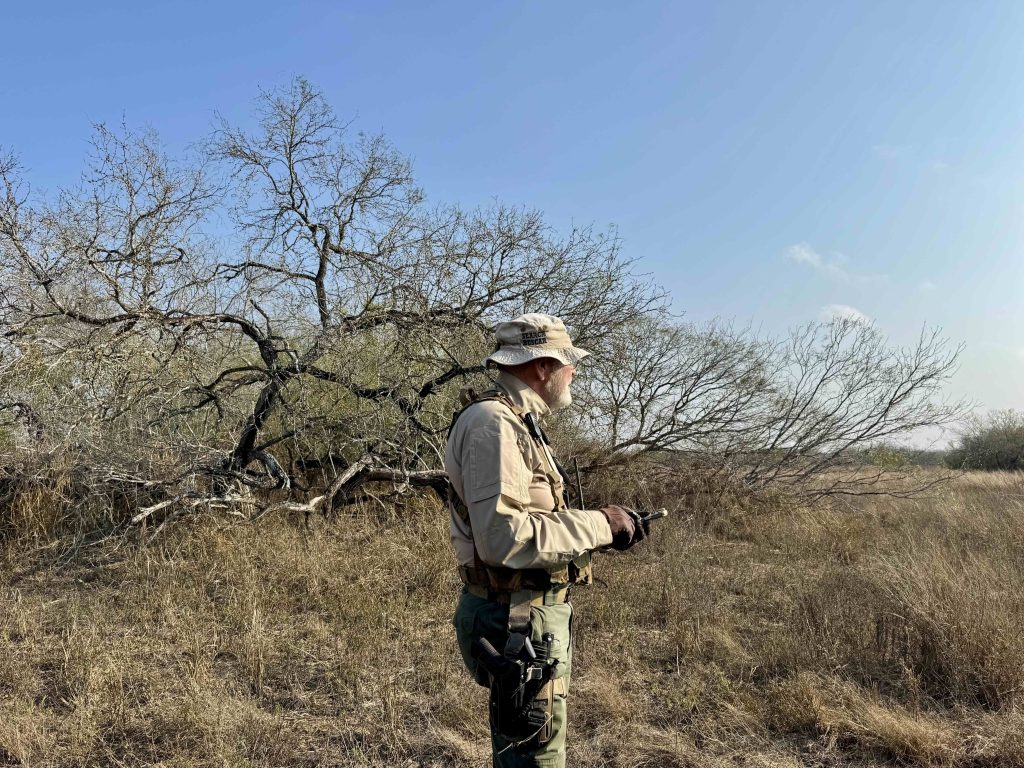
Very little was the same this year, aside from the knowledge that we would again be heading out onto ranches to assist in the search and recovery of migrants who had become lost or injured along their journey through Falfurrias and Brooks County. The heat was a real factor, hot and at times relentless, different from the cooler and often breezy days of last year. The heat made everything more difficult, not only the physical work, but the mental and emotional toll as well.
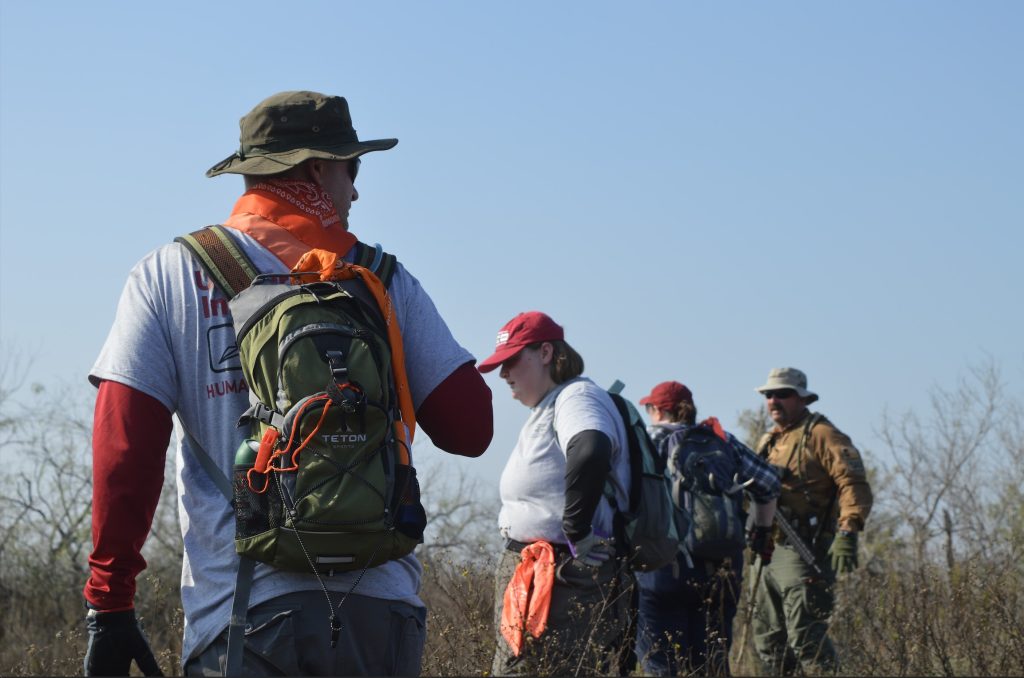
Last year, the milder temperatures left me less exhausted. I felt more comfortable after the long days, allowing me the mental space to think and reflect in the evenings, to really sit with the reality of what we were there to do. This year, with the temperatures hot and the work hard, most evenings were spent simply waiting for bedtime or scrolling mindlessly on my phone, doing anything to give myself a break. To focus on something that did not require the mental bandwidth that I did not feel that I had.
I understand that this is exactly what I hoped to avoid when I wrote my initial post: avoiding difficult emotions and retreating into comfort. At the same time, I have come to understand how easy avoidance can be, especially when everything already feels so heavy.
On the last day of the trip, while sitting in an airport restaurant eating TexMex, we talked as a group about how there was no easy answer to how to solve this so-called “border crisis”. Because if there were, it would have been solved by now. I’ve thought a lot about that conversation, and about how I wish I had more answers after having experienced this trip twice now.
The conversation lingered with me because it underscored how uncomfortable it is to sit with problems that do not have clean solutions. How easy it is to push things aside when they get hard. As humans, we are a social species, and in a way, I think that relates to how we want resolution. Something concrete to point to as progress. However, what we encountered along the border resisted that kind of superficial closure that I think people are always speaking about. Because I’m not sure that there ever can really be “closure” for a person.
Instead, it demanded patience, humility, and the understanding of a shared humanity among us, the migrants, you reading this, and even those out there without any clue that this trip even took place. These values transcend culture, belief systems, and even time periods.
While scrolling through my phone one night, a video popped up that featured a Bible quote: Leviticus 19:33, which speaks to how strangers are treated within a community. The message is strikingly relevant today: recognize the humanity of those who are vulnerable, displaced, or in trouble, and resist the impulse to view them as problems rather than people. In the context of this trip, that idea felt less like a moral principle and more like a quiet responsibility.
“When a stranger resides among you in your land, do not mistreat them” (Leviticus 19:33).
A responsibility to show compassion, to bear witness, and to treat every individual we encounter with dignity, even when the larger system feels overwhelming and unchanged.
I don’t think that I will ever have all of the answers, no matter how many times I reflect on this trip and the work that we do at the border. But I want to understand, and I think that it is that desire to listen, to learn, and to grow in compassion for the people directly and indirectly impacted in Brooks County and in so many other places like it, that matters most. It is a commitment to seeing individuals not as statistics or symbols, but as people whose lives are shaped by circumstances far more complex than any single narrative can capture.
Ultimately, this trip did not leave me with the clarity that I wanted it to. Instead, it left me more aware of my own limits of what I can know, what I can carry, and what I can change. As I write this, I think that is the point. Not to leave with answers, or a clear solution, but with a deeper sense of responsibility to keep paying attention, to resist indifference, and to remain open to the discomfort that comes with truly seeing others. If there is anything this experience has given me, it is the understanding that compassion is not a conclusion but a practice. The responsibility we have is not to attempt to solve everything, but to seek and recognize humanity where it is easiest to look away.
Thank you for all of your support this year—whether through reading this blog, sharing it, or donating. Your support does not go unnoticed. And thank you to Don and Ray, Reed, Melissa, Dr. Latham and Dr. Eriksen, Amanda, Lilly, and Peytin for walking this journey with me.
– Makenna