Content Warning: This post contains references to sexual assault.
I woke up at 3:30 p.m. today. Yes, literally 3:30 p.m. I slept for 16.5 hours last night. After arriving back in Indianapolis, I felt exhausted and desperately in need of a shower. I decided that everything in my suitcase needed washing, even technically clean items, because everything felt like it was coated in dirt and smelled like sweat. That was after spending only five days intensely searching the remote Texas wildlands.
Every conversation I had opened my mind to perspectives I had never considered before. I intentionally asked Don and Ray difficult questions about what the journey for migrants entails, how coyotes operate, why people cross the border, and what they have witnessed through years of fieldwork. Each day, I learned about new hardships migrants face, including how they navigate the vastness of ranches and the challenges that follow.

The food, water, and belongings migrants carry are carefully calculated to minimize weight, conserve space, and remain essential. We saw countless empty tuna packets, cans, water jugs, discarded clothing, and other items. Every object brought serves a purpose, and once that purpose is fulfilled, it is often left behind. The less weight carried, the less energy expended. I also learned about the extreme measures people have taken in attempts to cross border checkpoints: hiding in small, concealed spaces inside vehicles, breathing through straws while submerged in barrels of sewage, and other dangerous conditions. Many of these attempts end when border patrol dogs detect them. Because of this, traveling through ranches is often viewed as the “safer” option, despite the prolonged exposure to heat, limited shelter, and scarce food and water.

One day, we came upon a very distinct tree. Certain items of clothing were on the ground and hung in its branches. I felt confused and unsettled. I didn’t even think about sexual violence. I was aware of the hardships of navigating the harsh environment and how physically and mentally exhausting it is to partake in the journey. I failed to consider how coyotes treated migrants during this journey. At this tree, a migrant’s personal items suddenly turn into a heinous message, a system to warn others what happens when someone disobeys the coyote.

Coyotes are supposed to be the ones to protect and help migrants cross the border. However, if a migrant pays them upfront, they become expendable and their payment can be used against them. If they wait to pay in full later, a migrant may be extorted for more money than initially agreed upon and forced into a human trafficking situation. Neither is a safe option. The thought about being tired, dehydrated, and afraid, only for one’s autonomy and dignity to be stolen, has stayed with me. Migrants are aware that this major risk exists and that it is common. Some even take preventative contraceptives before embarking on the journey- just in case. It is painful to confront how broken the system is when individuals feel compelled to place themselves in such vulnerable positions, enduring the abuse by those who hold power over them. Migrants often know the risks and still proceed to leave their current situation. It forces me to reflect on how desperate their circumstances must be to make risking their lives feel like the only option. Migrants do not want to cross the border illegally; many feel they have no other choice. From the stories shared by Don and Ray, when a migrant is found alive in the field, many are done and want to be turned in so they can go home.
Finding remains adds another complex layer to this work. I have learned how bone scatters may appear, how sand, brush, and cacti may conceal bones, and how animals transport them. Rats often carry long bones to build their nests. Larger predators tend to move bones into protective spaces for eating. Some predators will ingest bones altogether, making it unlikely to find certain bones. I was surprised by how easily bones can be hidden. Bones can roll from strong winds, be stepped on by animals, or even be covered up by natural debris like blowing sand. The movement, location, and condition of the bones tell a story. I also did not fully understand how bright-white a sun bleached bone looked until seeing them for myself, as they closely resembled the bone casts we use in class.

Throughout the trip, I felt an immense amount of privilege to be surrounded by my team every day. We all looked out for each other while also serving those who lost their lives on the journey. Every day, I had proper gear, plenty of water, protection, and nutritious food, and I was still struggling. By midday, I was usually already physically and mentally exhausted. However, I stayed grounded in my values. I showed up every day ready to work and empowered to make a difference.

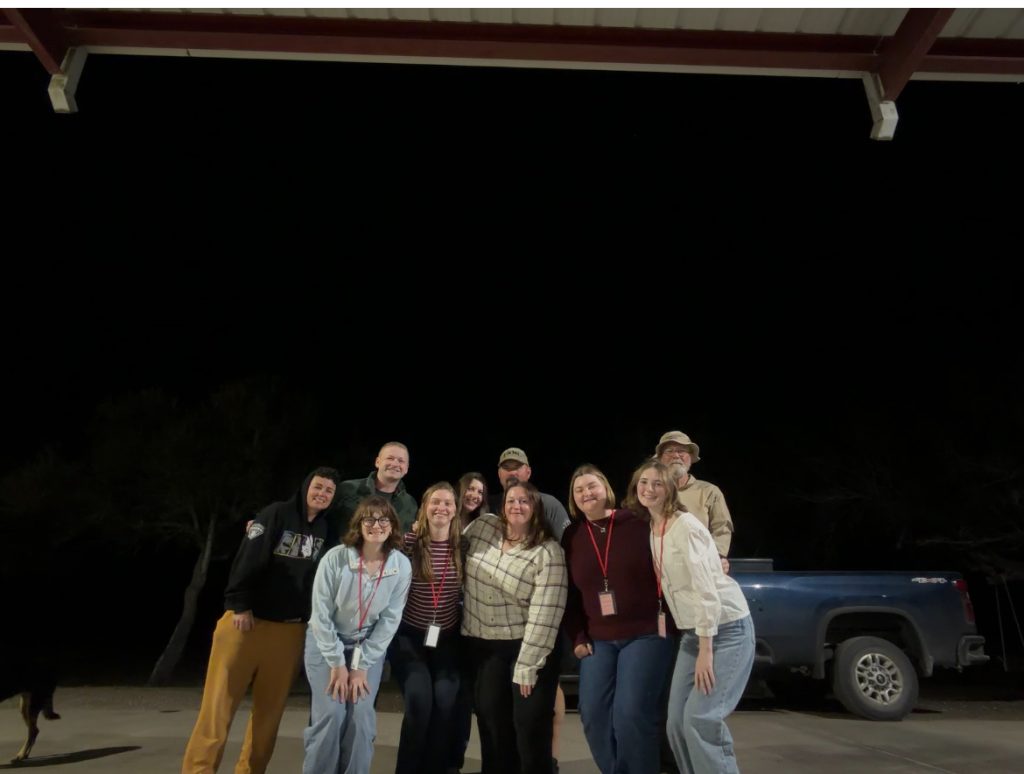
The conversations, emotions, and experiences from this trip will stay with me. I will carry them forward to educate others and shape my future work. I told someone today that there is absolutely no combination of words that could truly convey what I experienced. You will never fully understand until you’ve experienced it for yourself. I left nothing behind on this trip, as every part had an impact on me. I will move forward with intentionality and respect, not only those who cross the border, but those who search for them. I will cherish my memories with Don, Ray, Reed, Melissa, and the 2026 UIndy Beyond Borders Team. I am deeply grateful for this opportunity and cannot put into words the emotions and growth I have experienced this trip. This experience has changed me; I have a responsibility now to continue to learn, educate, and stay up-to-date on what is happening at the Texas border. Ultimately, I strive to carry what I have learned forward in ways that continue to make an impact and ask hard questions to think deeply and reflect on my time in the Texas borderlands.
– Amanda
P.S. I did get plenty of dog time through Socks and Oakley, who were both very cute and sweet girls.

She is just so cute!