Category Archives: Community

Interaction with the community of Falfurrias

Day 7: A New Day, A New Adventure

The days are long, the evenings are short, and the nights are even shorter. This field season is different in many ways but has the same common goal as the past three field seasons I have participated in. The goal of recovering migrants in hopes of getting them identified and returning them home to their families. With our fifth field season in progress, we are still learning how each county and funeral home operates and nothing is the same from one place to the next. Some keep better records than others, but the reality is that these funeral homes and counties are doing the best that they can with an overwhelming situation. It won’t change until there is policy change and increased funding for this mass disaster situation.
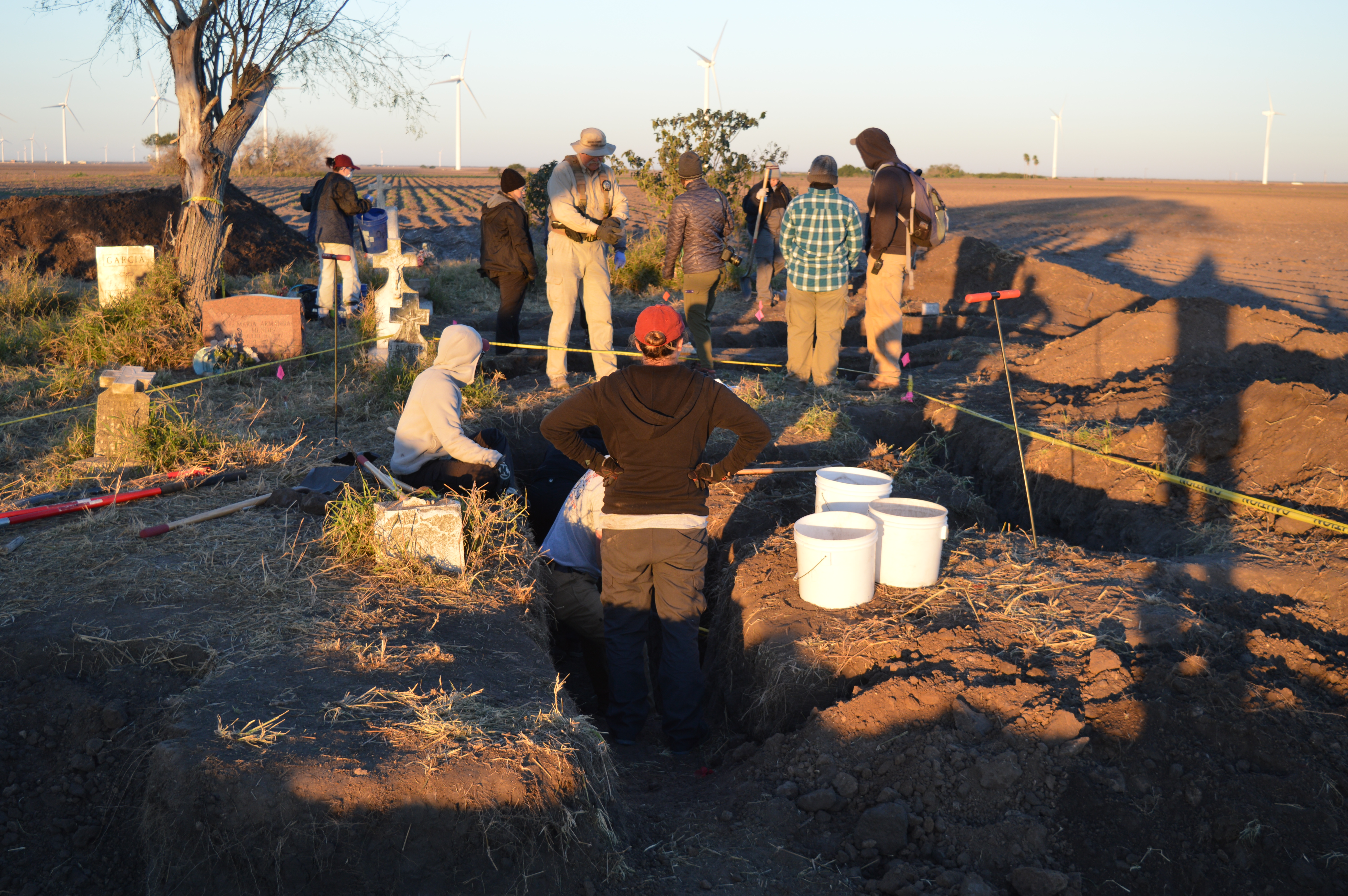
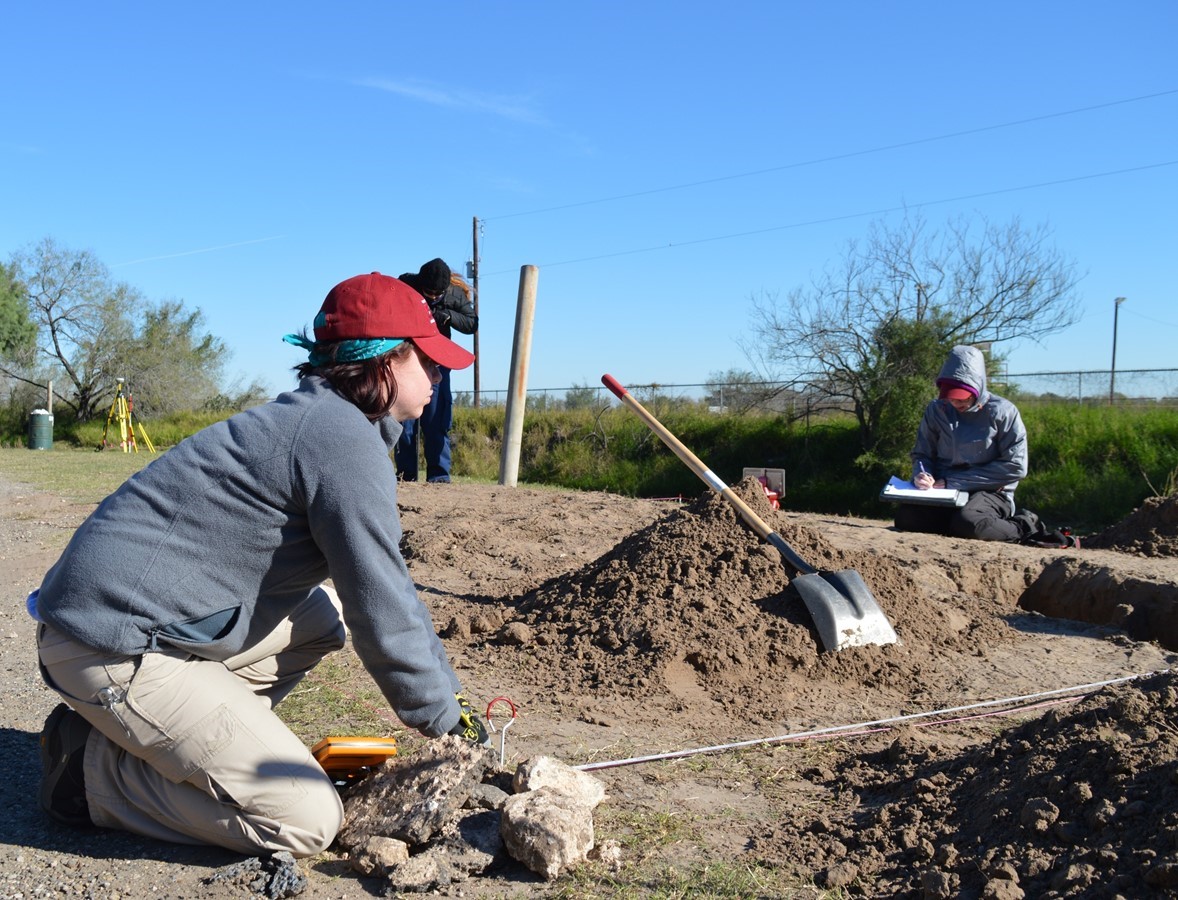
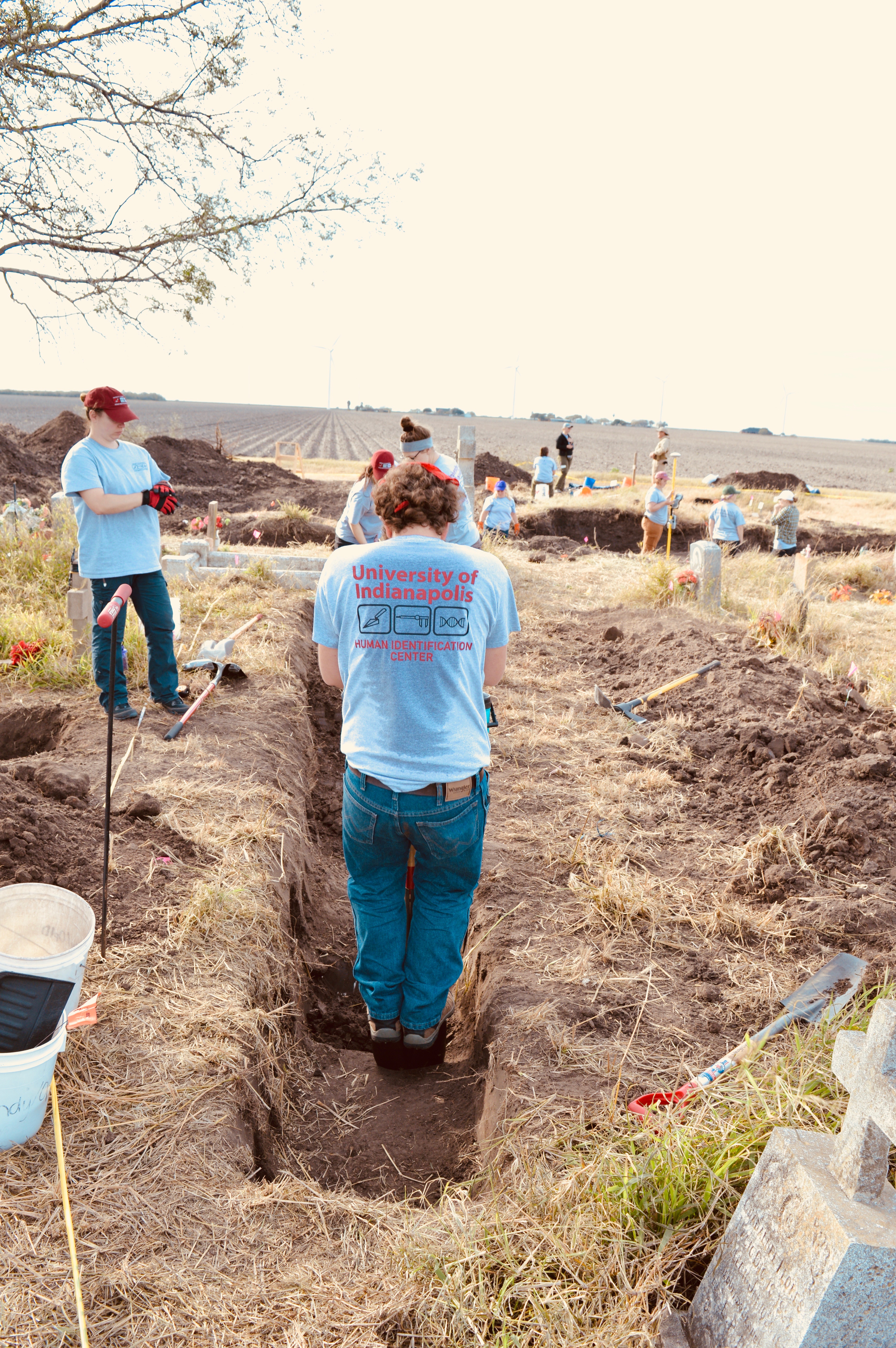
Team members digging trenches.
Digging Trenches

Today was a hard day of moving a lot of dirt and digging trenches. Although we may feel tired, we are all still motivated in continuing this humanitarian effort. With each burial that we locate, it is an individual whose family is that much closer to finding out what happened to them. It is easy to get lost in the manual labor but once you find a burial, it is like finding that golden ticket.

In the area that we were working in today, we were told originally there were three possible burials. We located six in that area and the ones we found were not even in the direct area that we were originally pointed to. It is no one’s fault because the funeral home is relying on memory to point them out, so it really is a guessing game and thankfully, we have become pretty good at analyzing it.
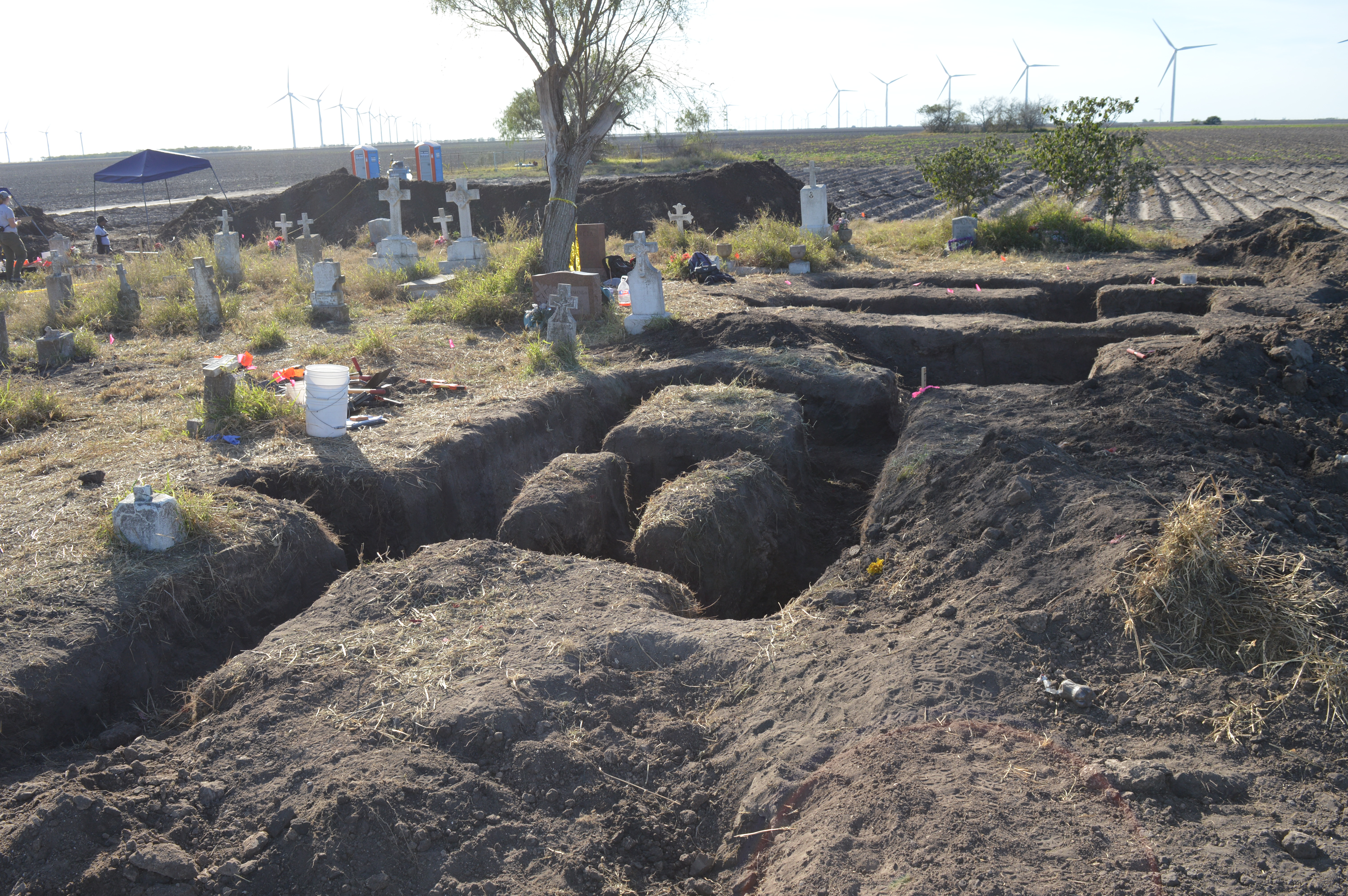
Exposed trenches in the cemetery.
Our quadrant

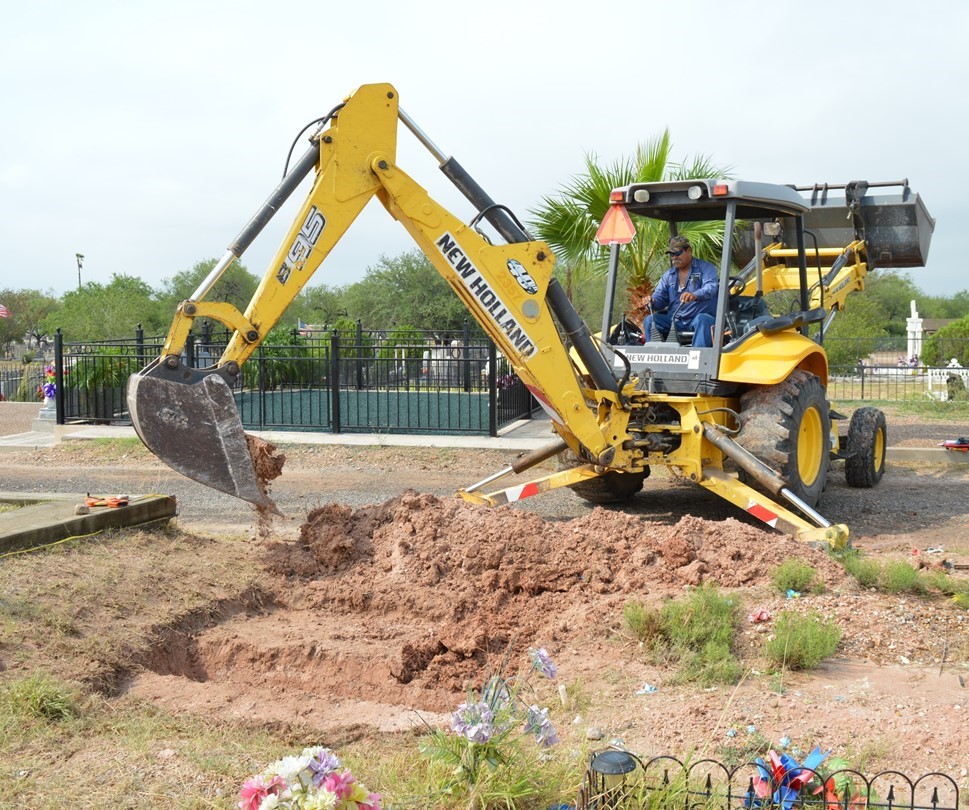
After recovering three burials, Joe and Louis were able to come back and help us extend our quadrant outside the original lines. We did this because the group next to us located a burial outside of their quadrant; so, in order for us to do our due diligence, we needed to check our area too. I cannot thank Joe and Louis enough for helping us with this endeavor. Although the dirt is nowhere near as hard as it was in Rio Grande City, it is still extremely difficult to get through by hand. So far, most of the quadrant has been dug by hand so it was nice to have a small break while the back hoe did its job. It is also kind of sad because the amount of work that the backhoe did in 1 hour is more than we could do in a day by hand.
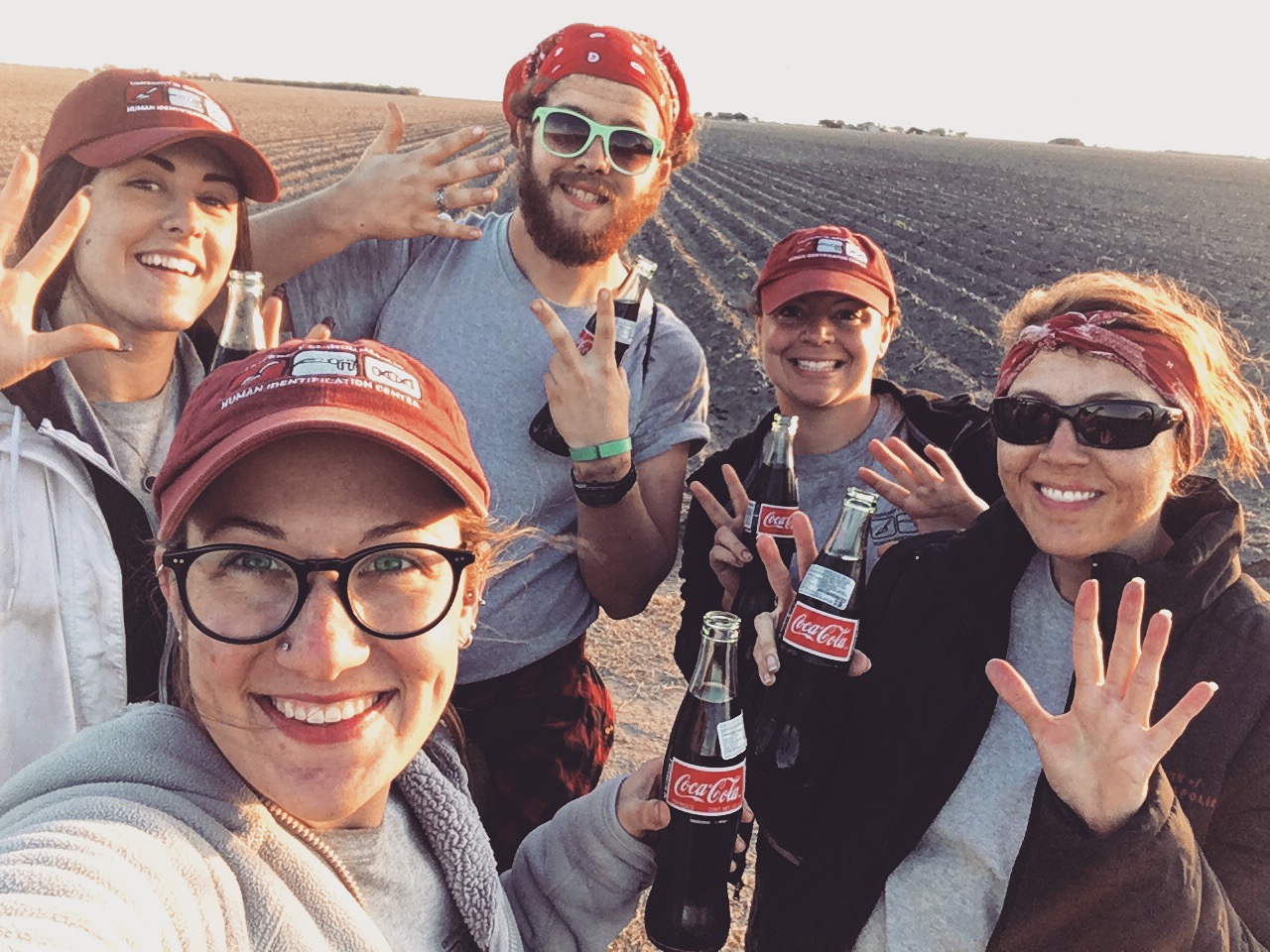
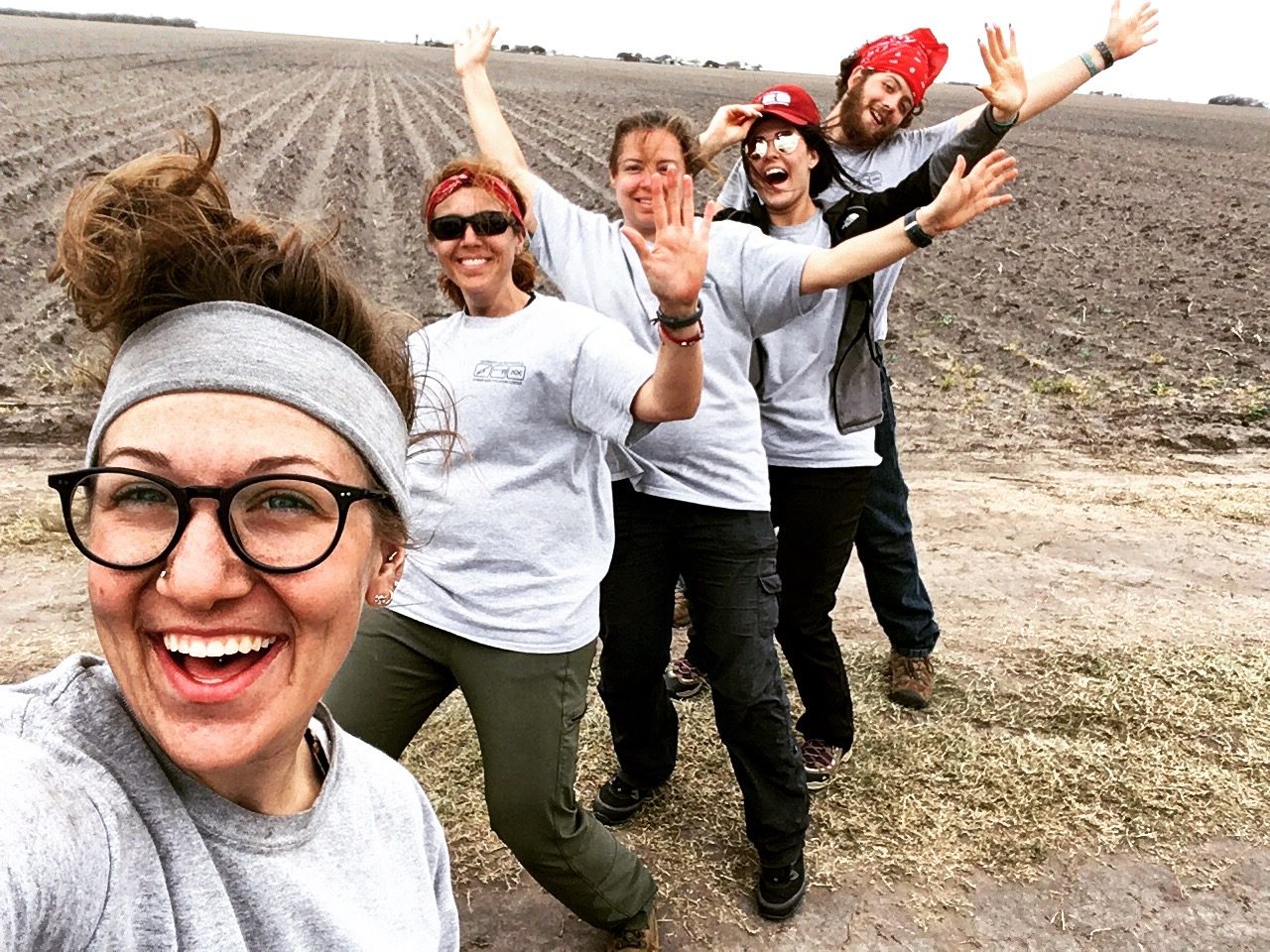
Day 7 team photo.
Day 7

I love being apart of this humanitarian effort and being able to work along side community members and Texas State University. We have had several visitors from when we were in Brooks county and it is nice to see the familiar faces. We only have two more days left in Harlingen and it is a bittersweet feeling. Tomorrow we plan to visit ‘the wall’ which will be a sobering experience and remind us why we are continuing this effort.
Jessica

Day 5: Tamales and Trenches and Wind, Oh My!

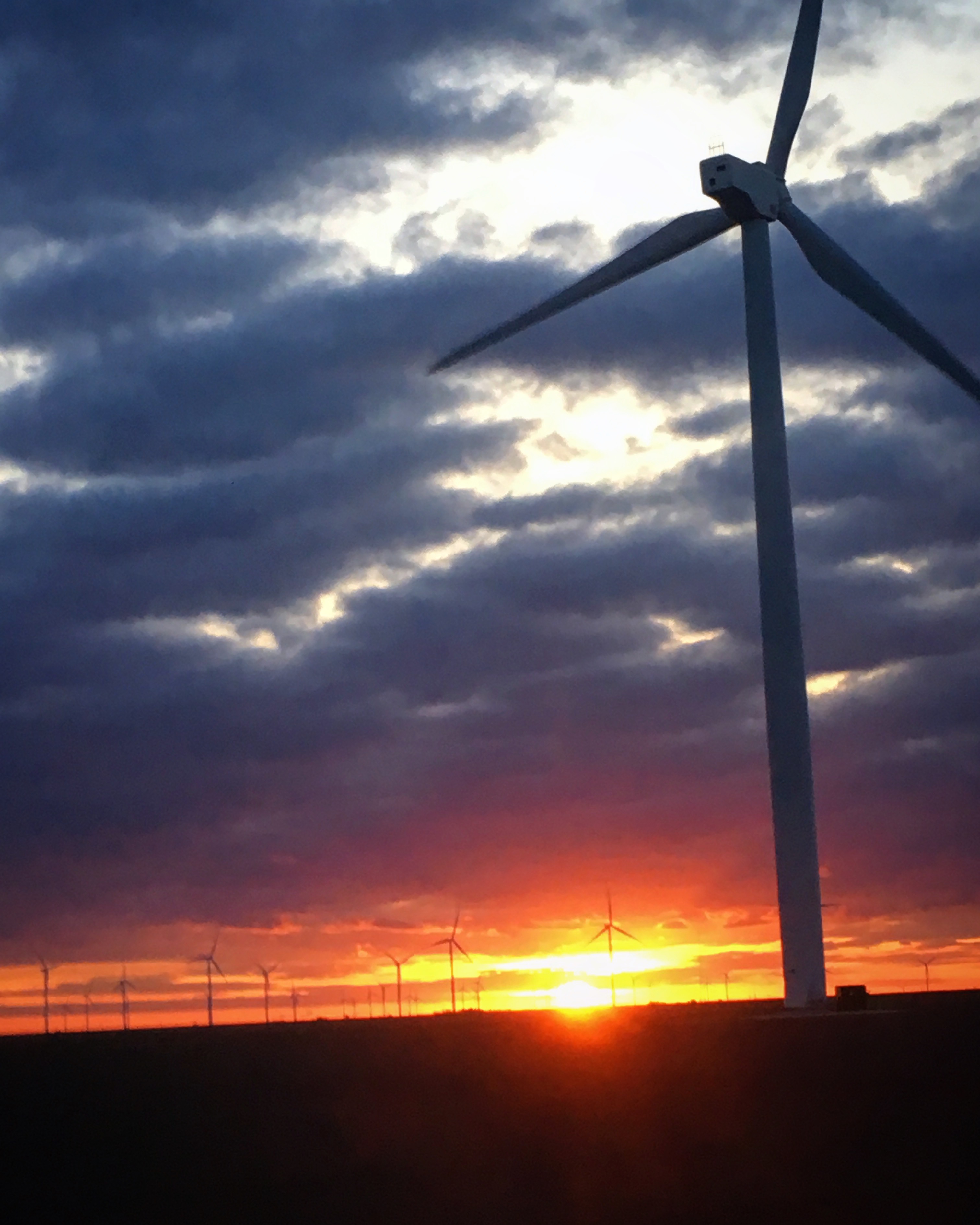
Texas sunrise next to a windmill.
The gorgeous, Texas sunrise we see every morning

Today was our fifth day at the cemetery. Our team, being a hard-working and motivated group of people, was determined to bring high energy to the site and complete our goals for the day. We compiled a plan the night before, in which we decided to confront a new area of our quadrant. The funeral director had given Dr. Kate Spradley, from Texas State University, an idea of where he thought migrants may have been buried, but it was our duty as anthropologists to be sure to check all possible unmarked areas that could have been containing migrant burials. We felt it was important to start a new trench within the cemetery that contained a long stretch of land where no grave markers were present.

Jordan digging a trench.
Jordan deepening the trench floor

Even before clearing surface vegetation to better observe the topography of the area, we could still see and feel some possible depressions beneath our feet. It is likely that we are correct, and there are burials far below the surface in this area. However, we have been facing the challenge that some of these burials do not fit the migrant profile due to the circumstances of their burials. Hopefully the funeral director was correct, and we find the final two individuals in this quadrant we are looking for so they can be analyzed and identified.

According to the iPhone weather application, it was supposed to be one of the hottest days during our trip. The temperature was listed as a low of 56 and a high of 76 degrees Fahrenheit. It seemed like the temperature would be practically perfect. Little did we know, strong, gusting winds reaching 27 mph would throw us for a loop, sending our hats and papers flying as the day went on. As Jordan, Jessica and I mattocked and shoveled our new trench, dirt was flying in our faces and eyes (not the best feeling in the world). Meanwhile, Leann and Dr. Latham were chipping away at a massive wall that was covering one of the burials we discovered by the large pit. By lunch time, the team had accomplished removing a decent portion of our new trench, uncovered the deepest burial we have found so far, photographed and removed the body, and added the precise corners of this burial into our maps.

Team members uncovering a burial.
Leann and Dr. Latham uncovering a burial

Since it was impossible to do anything in peace with the wind, Dr. Latham suggested eating by the van. We rented a stylish, grey minivan for our transportation needs, so we thought that sitting on the North side of the van might block some of the northbound winds. At this point, everyone was getting pretty physically exhausted. During lunchtime, Dr. Latham suggested taking a short-day, which was probably productive for the overall group morale. We went back to work for another hour or so and then called it a day around 2:15 pm.

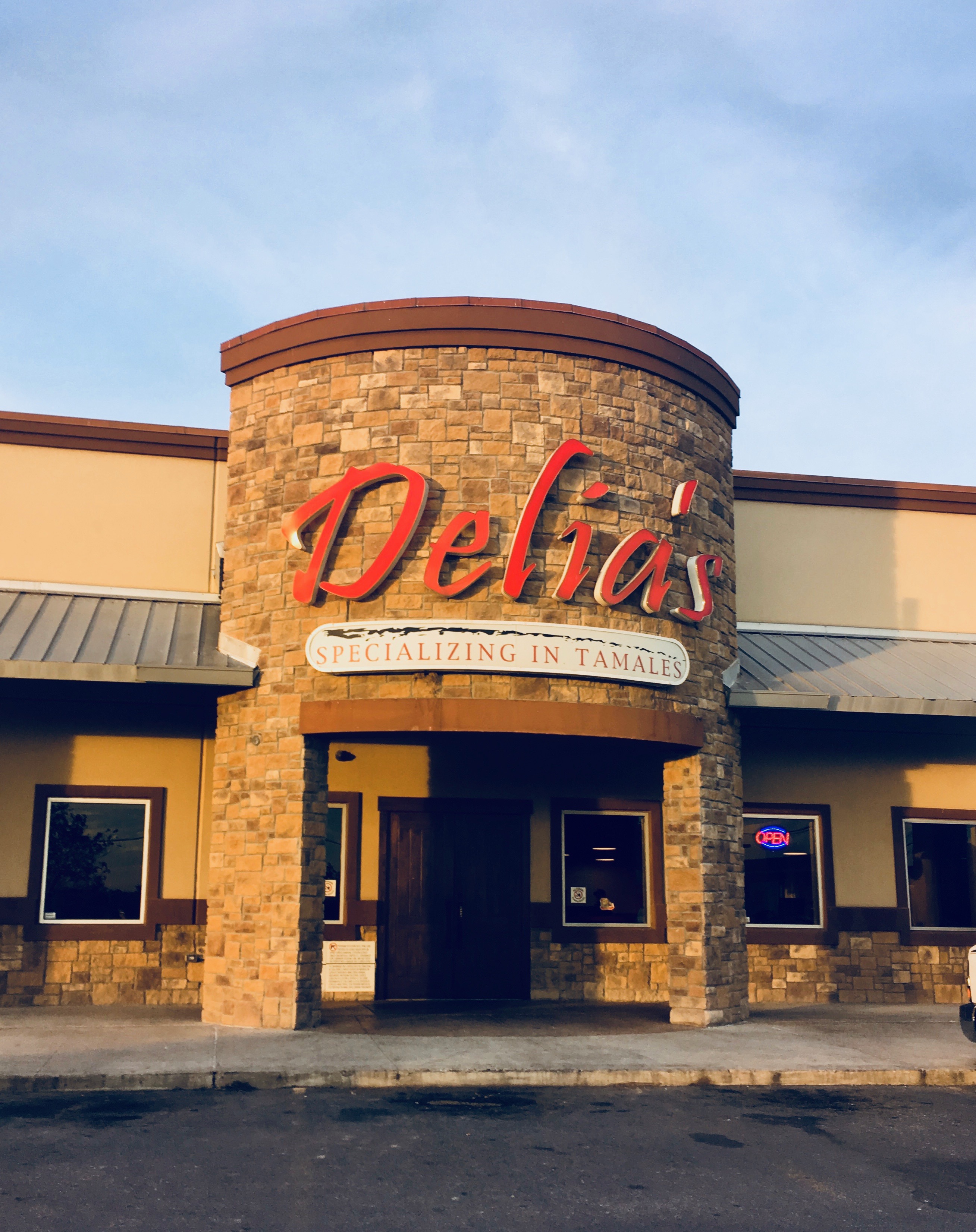
Delia's restaurant in San Juan.
Restaurant in San Juan where we ate delicious tamales

Back at the hotel, everyone showered and had some down time. We were super excited for dinner tonight at Delia’s, which is a well-known tamale restaurant with an alluring reputation. It honestly wasn’t difficult for the group to agree upon driving 30 minutes from our hotel to get dinner because everyone here is obsessed with tamales. I can truthfully say it lived up to our expectations.

I think the abbreviated workday helped regenerate our bodies and spirits. As frustrating as the wind turned out to be, we all stayed strong, encouraged each other, and maintained optimism. I am incredibly proud at how hard-working everyone has been. There is still much to get done before Thursday, but it is absolutely attainable. No matter what obstacles are thrown our direction, we will not lose steam!

-Sammi

End of day 5 group photo

A new year and a new field season

In less than a week (as I’m writing this), our group leaves for another trip down to South Texas to assist in the humanitarian effort of identifying the remains of migrants who perished along the US-Mexico border. The first step in this process is the field season (exhuming the remains) and is sometimes the hardest step. This will be my third trip to Texas and even though I’ve been before, I cannot help but to feel a little anxious. My first trip to Texas, our group was at Sacred Heart Cemetery in Falfurrias, Texas which is place where several field seasons had occurred prior to my visit. In our group, we had members that had been to Falfurrias before which made it less apprehensive because I at least knew what to expect in terms of soil consistency and weather. Although, my very first trip to Texas in January 2017 saw record low temperatures in the 30s which none of us were prepared for. It all plays to our motto of ‘expect the unexpected’ and there was no way to know we would be bringing the cold, Indiana weather with us to Texas.

Team members mapping in a trench.
Jan 2017 – Record low temperatures

My second trip to Texas brought our group to a whole new city and cemetery. Although our group spent weeks carefully packing and deciding what tools to bring, nothing prepared us for the soil consistency that we found in Rio Grande City Cemetery. The soil consistency was more similar to cement; hard, compact, rocky soil that could only be penetrated by heavy machinery or a mattic. One of the many differences between Falfurrias and Rio Grande City was that in Rio Grande City, the graves were marked and the cemetery employee who actually made the graves years’ prior, was on scene to help us. The cemetery employee, Sylvestre, was a huge help in locating and systematically excavating the dirt until we were close enough to the actual burial that we could proceed with using our hand tools. As it turned out, the burials were closer to 5-6ft deep in Rio Grande City Cemetery versus only being 3-4ft deep in sandy soil like the graves in Falfurrias.

Back hoe digging a trench.
May 2017 – Sylvestre

For my third trip to Texas, I am not sure what to expect because I feel that the Sacred Heart Cemetery in Falfurrias and the Rio Grande City Cemetery were at opposite ends of the spectrum in terms of soil consistency and knowing the exact places were migrants were buried. What I do know, is that our team has a knack for adapting to our environments and always tackling surprises head on. Expect the unexpected is a motto we work by and it has helped us a great deal. I may be feeling apprehensive and a little anxious right now, but I know once we get to Texas, those feelings with dissipate. I am extremely grateful to have the opportunity to go back to Texas and help in this humanitarian effort. This experience changes you as a person and to be able to go back for a third season gives you a bittersweet feeling. Right now, I am going to spend the holidays with my family and thinking about the adventure that lies ahead in South Texas. I am unbelievably excited to be a part of this humanitarian effort and I am ready to start another field season with our amazing group from UIndy and Texas State University.

Jessica