Category Archives: General

General Postings

Bird nest on a branch

Day 3: Lost Within the Brush

We slept in a bit later than yesterday, got ready, ate breakfast, and then loaded up in the car. Today, we planned to head to a new ranch where remains had previously been found. We began the day knowing it would be different than the previous two; we would be searching an area more diligently, staying eagle-eyed when looking for bones, fragments, or subtle clues. We prepared physically and mentally with extra water, a focused mindset, and confidence as we leaned into the uncertainties the day ahead might bring.

The drive to the ranch was long. It took nearly 45 minutes from entering the gate to reach the coordinates where the remains were located in the past. This travel time puts into perspective the sheer size of these ranches; some are a couple of hundred acres in size, others thousands, and some are even hundreds of thousands of acres. It emphasizes how easily something or someone could be missed entirely. After the long drive, we unloaded our gear, reviewed our search plan, and then lined up to begin searching through a massive motte. 
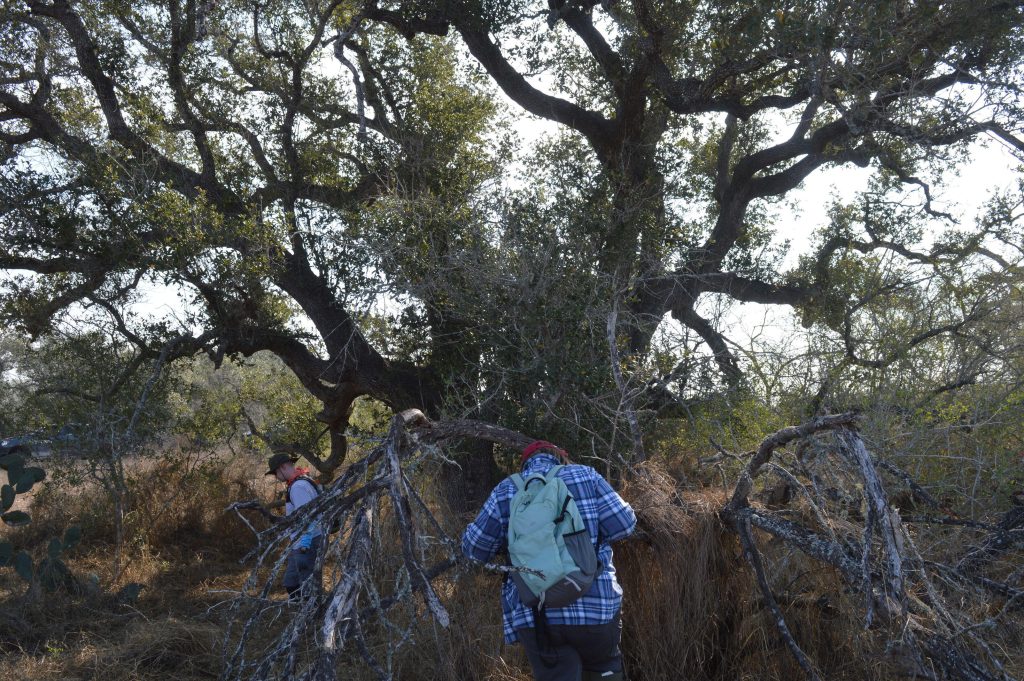
Lilly and Reed searching in a motte
Lilly and Reed searching through a motte

This motte was unlike the others we have searched through. The underbrush was thick with grasses that had grown tall during last year’s unusually wet spring, and had died during the winter drought. The grasses were still rooted in the ground, but blown over and tangled together. However, to conduct the thorough search we aimed for, it was crucial to pull away the dense underbrush to reveal the sandy soil underneath to check for any signs of bones. 
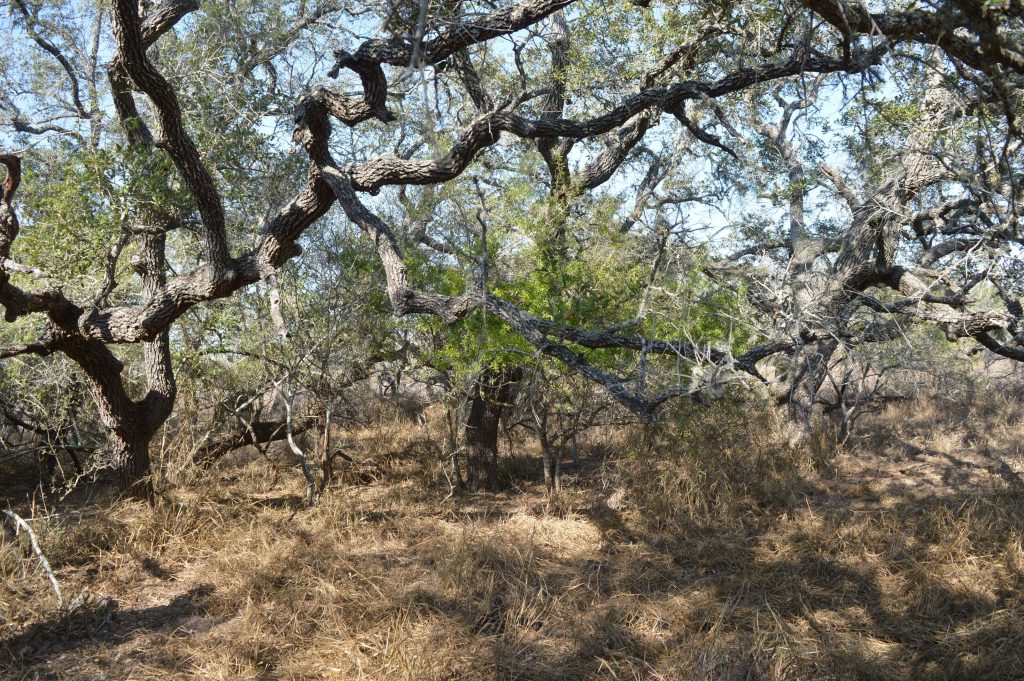
Large motte with dense brush
Large motte showcasing dense brush and trees

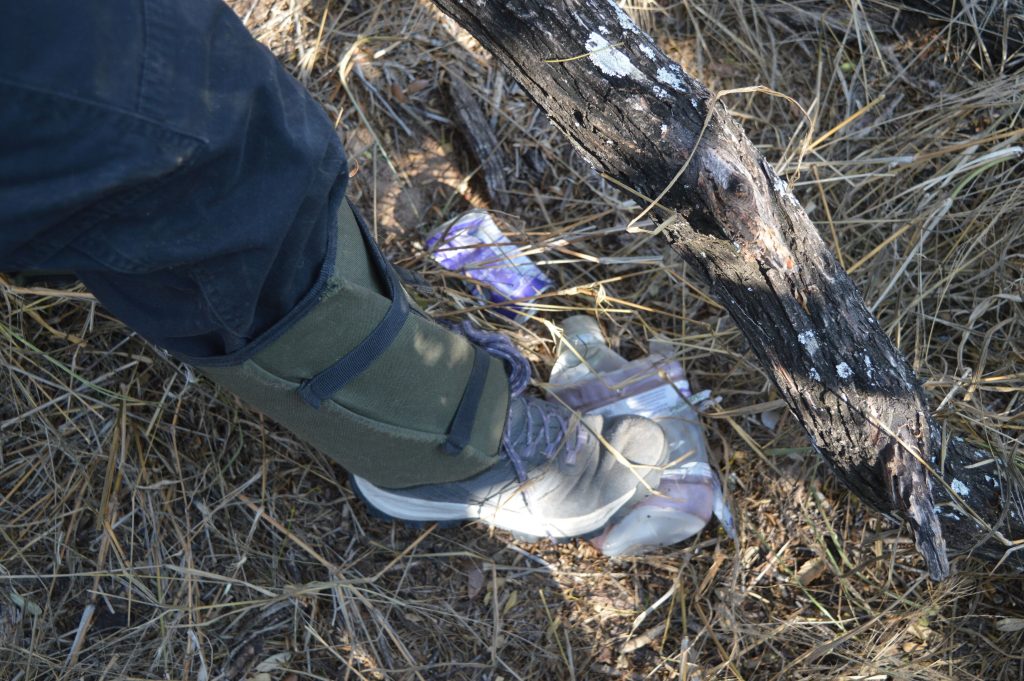
Another challenge we faced was the variation in taphonomy of the bones compared to what we have seen previously. Many of the animal bones have been sun-bleached, often presenting as bright-white, making them relatively easy to spot. However, if a bone is even partially buried (covered by blowing sand or pushed into the soft sand over time), it may be more brown in color and blend in with the soil. Searching through these mottes is especially crucial, as Don has taught us that migrants will often find a safe, shaded area to lie down and rest for a period of time. These areas often contain artifacts, which are items left behind during a migrant’s journey. Occasionally, an artifact will contain a “best by” or expiration date, which can provide context as to how long it has been there. Another technique I learned is that to tell the age of a plastic bottle, it can be stepped on. If the plastic crumbles or breaks apart, it is likely older; if it bounces back into shape, it is more recent. 
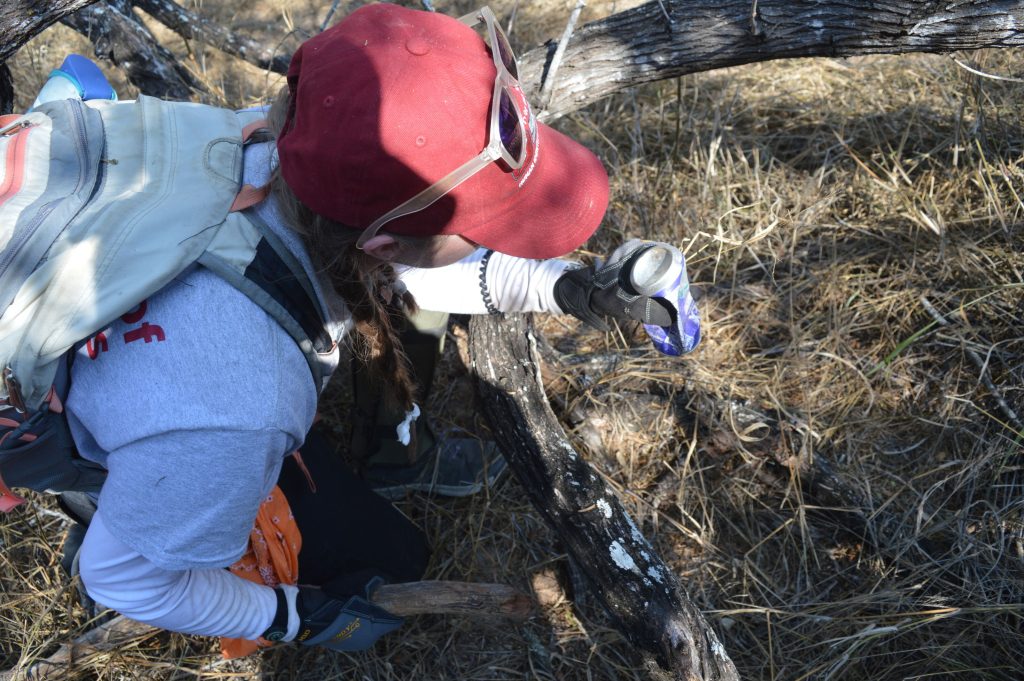
Amanda inspecting a can for an expiration date
Amanda stepping on bottle to check how old it is
Amanda stepping on a water jug to estimate how long it may have been there

We conducted line searches through thorny cacti, dense brush, and trees with branches poking in all directions. We were also spread farther apart, which made it hard to see everyone and make sure we were maintaining the same direction and pace. It was a true test of what we are learning in the Human Biology program at UIndy. Still, communication remained strong, and we searched carefully while only being poked by a few cacti. Sometimes, the mottes seemed to go on forever and only got thicker as we went in. My internal compass spun, and I was surprised by how easy it was to feel lost within the brush. However, it is just as easy to feel disoriented when viewing how vast the ranches are. Visibility stretches for miles, yet as you walk, it feels like you are making no progress at all. 
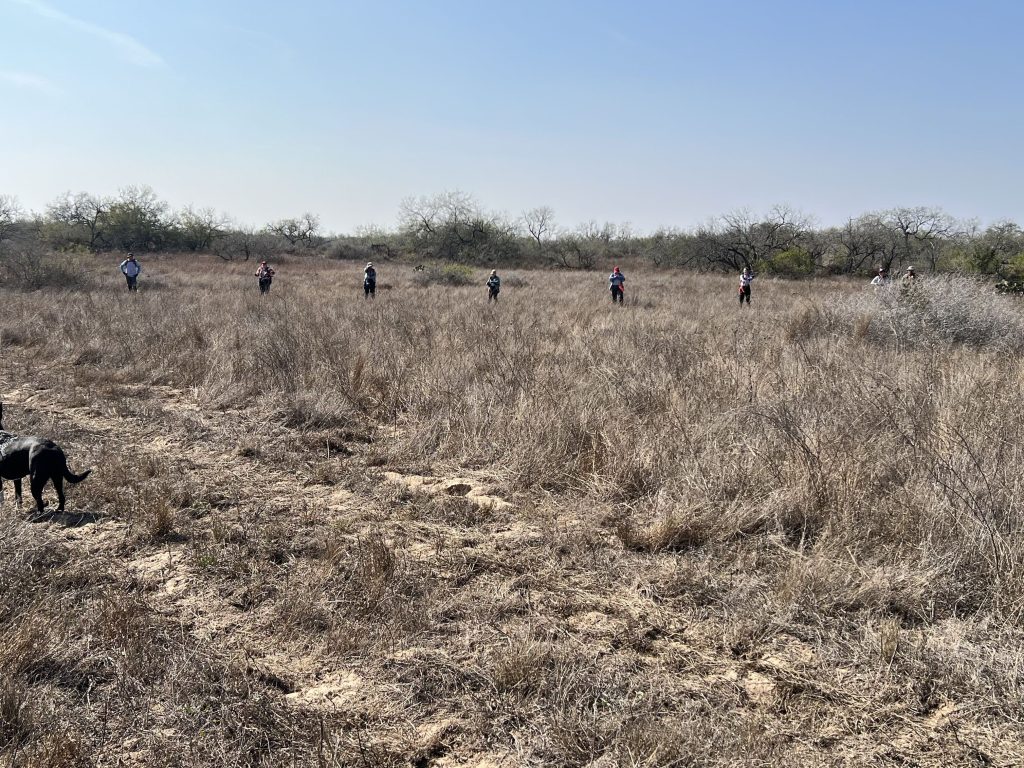
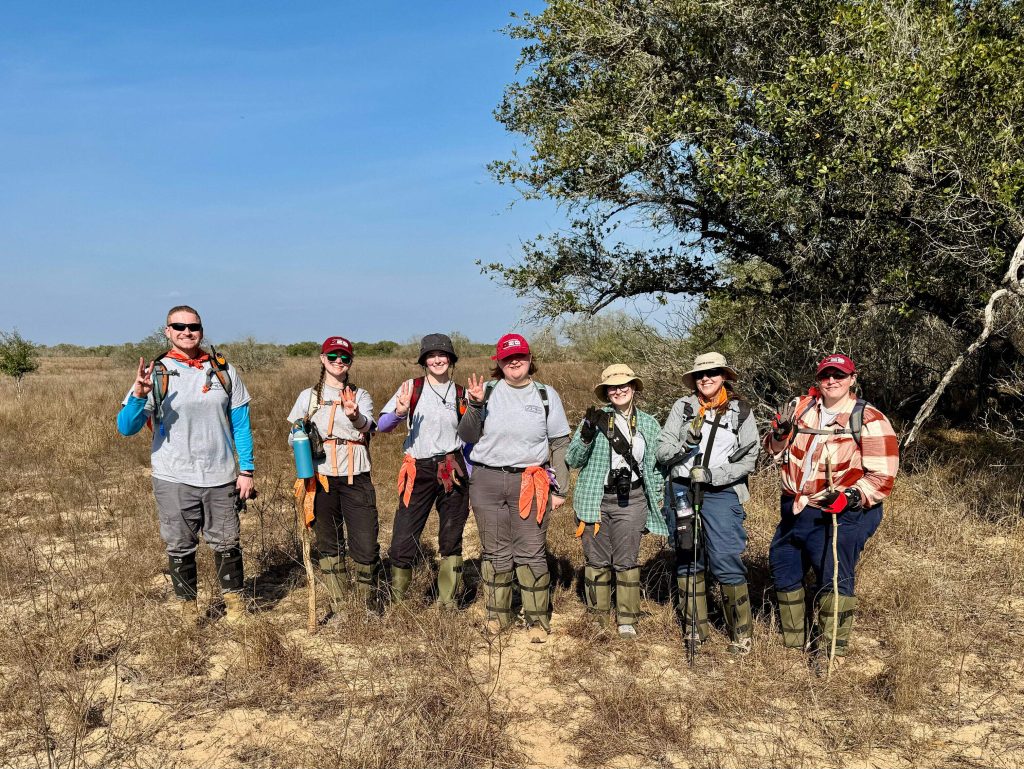
The Beyond Borders 2026 Team lined up to begin conducting a line search
The 2026 Beyond Borders team lined up before conducting a line search

The contrast made me reflect on the length and difficulty of the journey migrants endure to walk through these ranches;  the dangers, the harsh environment, and the unknown about what lies ahead. Especially after seeing evidence of life within the dense brush, I can’t help but think about those who were here prior. The heaviness of not knowing what may be ahead is hard, but it empowers you to keep moving because finding any artifact or bones is important when recognizing who walked this path before us. 
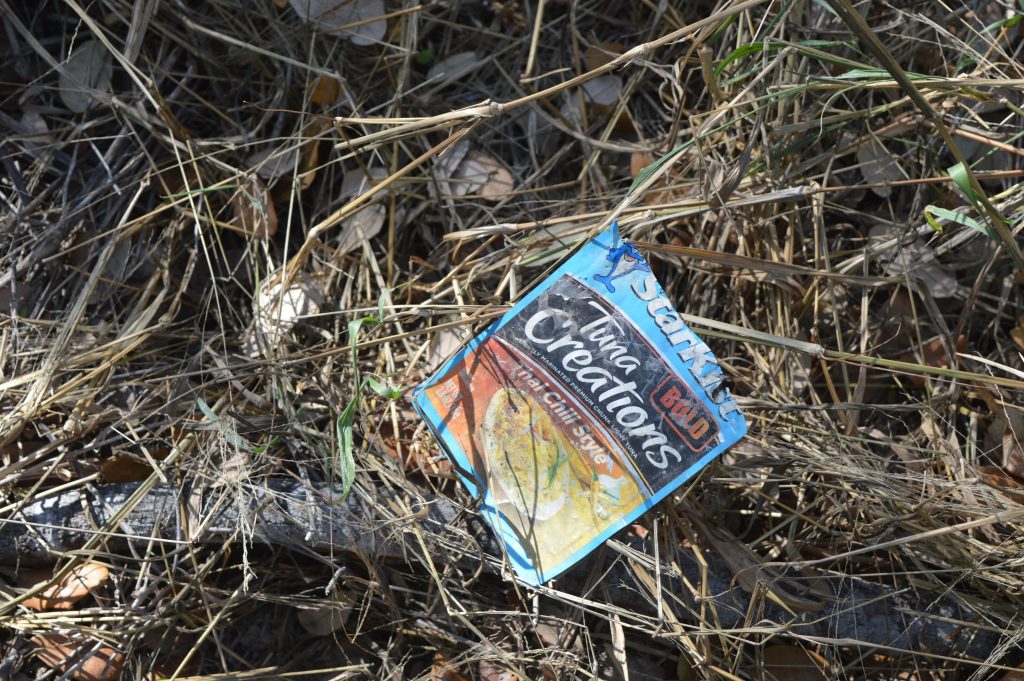
Tuna Creations packet resting on underbrush
Tuna Creations packet laying on underbrush
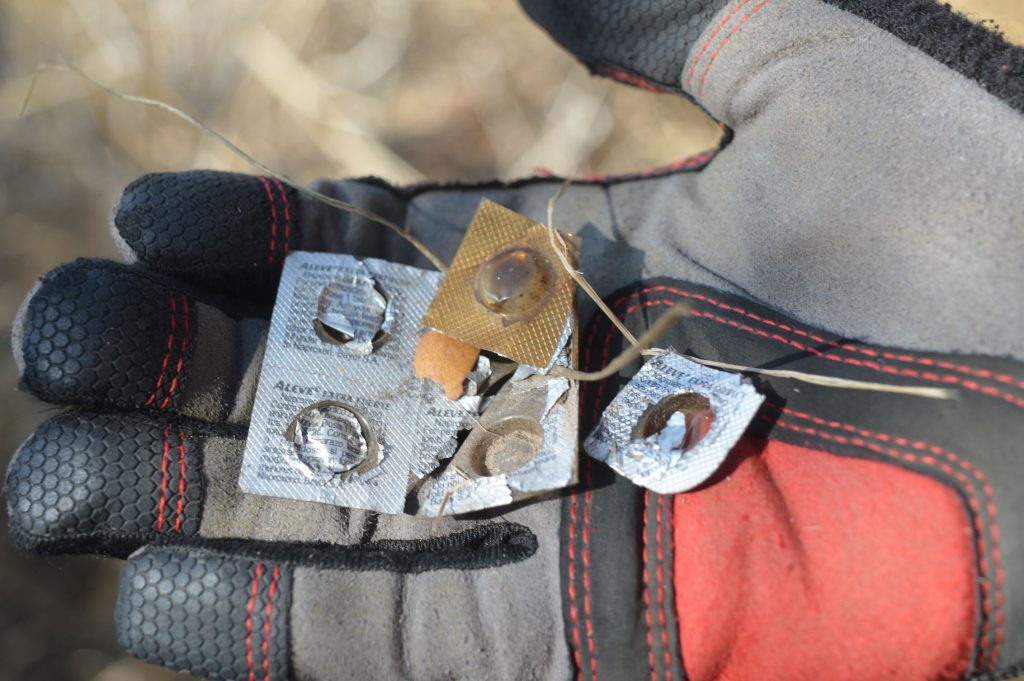
Empty Aleve packet
Empty Aleve packet

As we packed up for the day, it again took 45 minutes to exit the ranch. I sat in air-conditioning, looking forward to a warm meal, a shower, and a full night’s sleep. It had been a long, physically demanding day, but I had proper clothing, water, food, and a team beside me. I can’t fully imagine what it must feel like to walk these same areas while exhausted, exposed, and without those supports. Holding that reality with me, I leave today tired, humbled, and more aware of why this work matters. Tomorrow, we return to the brush with the same care, attention, and commitment to keep searching and showing up to land connected to many lives.
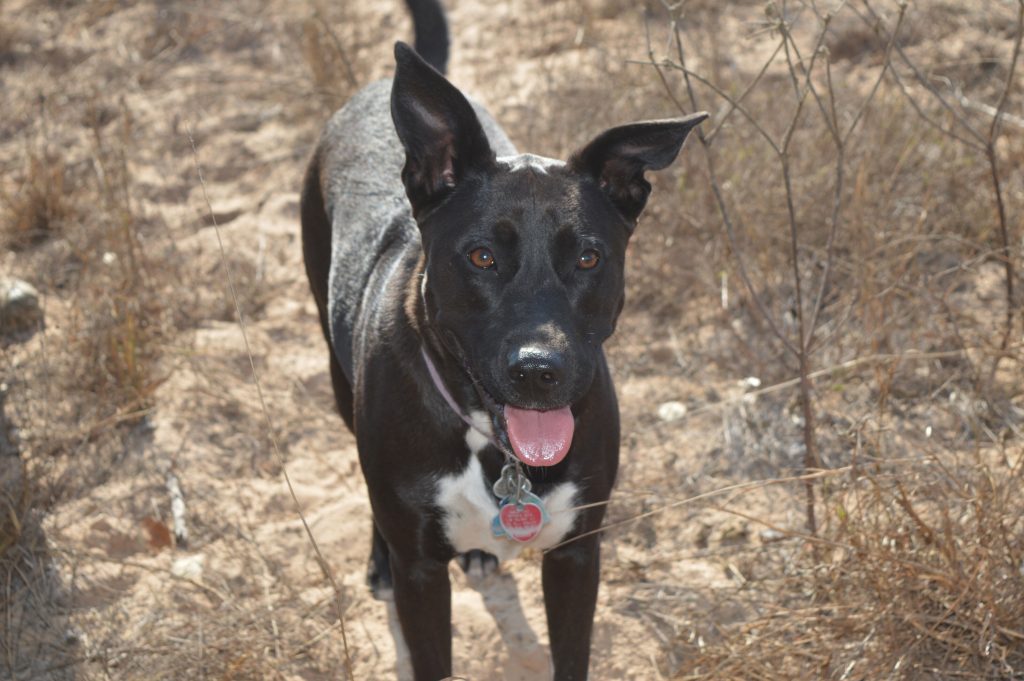
Dog Socks after a long day of hard work
Socks after a long day of work

Amanda

Photo of sunlight through trees

Day 1: Back to the Brush

I woke up this morning with a lot of anticipation for the day, so much so that I kept waking up before my alarm had gone off, hours before even. Every time I checked my phone, and it wasn’t 6 am, I felt an odd sense of disappointment. I think there was a level of anticipation there, but also a level of needing to get out there. To just rip the bandage off and start the day so that I could feel a little less anxious. Even though we woke up early, we were running behind as we grabbed all of our things to head out for breakfast and into the brush. For some of us, this wasn’t the first time, but for others it was, and yet I think we all shared a similar sense of anxiety and anticipation for the day.

We headed out to meet up with Don and Ray at the ranch they were staying at. We loaded into their four wheel trucks and headed south to the ranch where we would be searching for active migrant pathways. In one section, there is a large power line that runs north-south along the property, and we stopped there to begin setting up to conduct our line searches along the power line. We worked in half a mile segments in each direction, walking along the clearing as well as looking into the brush for areas where migrants may have stopped to eat, rest, or drop off items they were no longer able to carry.

Amanda and Peytin work with Don.
Amanda and Peytin chat with Don.

Besides Amanda and Peyton being new for the year, we were also joined by Reed and Melissa (and Melissa’s horse, Danny) to help in the search. I think the added people really made this feel a bit more manageable, as Melissa went ahead on her horse to search the area while Reed assisted in our line searches and delved into the brush whenever we spotted something that may be an artifact or skeletal in nature.

Melissa and Danny
Melissa and Danny
Reed holds up a nonhuman bone he found.

Every time I am out in the brush, I am reminded of just how vast the ranches are. I grew up thinking that owning 14 acres was a lot of land, but in Brooks County, ranches can span thousands, or even hundreds of thousands of acres. The ranch we were on today was huge, and standing in the middle of it made the scale feel almost unreal, with the brush and horizon seeming to extend endlessly in every direction. Even within the small area we covered, it was easy to get turned around when the power line wasn’t visible. When you couple that with the fact that many of the migrants are traveling in the dark, already exhausted, and moving quickly, it becomes easy to understand how someone could lose their sense of direction.

The temperature was another factor to contend with, with highs in the upper 80s to low 90s and feeling even warmer under clear skies and direct sun. We downed our water quickly, especially compared to last year. As we headed back to the truck, drenched in sweat, Don talked about how high temperatures in Texas often influence when migrants travel through the area. He explained that they typically avoid traveling during the day due to the heat and the open visibility, though he noted that he had once encountered a group that had been traveling during the day.

He explained that the group was exhausted and that their water had become warm and contaminated, rendering it essentially undrinkable. I thought about my own water, how I had chosen not to take a sip during one of our recent water breaks because it was too warm, opting instead to wait for the cooler water I had left in Ray’s truck. In that moment, I think I fully recognized that migrants often do not have access to a steady supply of clean water during their journey, relying only on what they can carry with them or what they happen to find along the way… typically small ponds or watering holes intended for livestock or wildlife, not for human use.

Amanda looks at some nonhuman bones.

After we left, dirty and exhausted, we took a small tour of the ranch that Don, Ray, Reed, and Melissa are staying at, which provided a welcome opportunity to slow down and relax after the day’s work. We then went to Strickland’s, a local restaurant in the area with some of the best food I have ever had, to unwind and catch up after the long day. Being able to talk with everyone in such a casual setting felt like a moment of calm amidst the chaos of it all.

I was especially struck by how grateful I felt to be there, to be a part of this team and to contribute, in whatever small way I can, to the work that Don, Ray, and Dr. Latham have devoted so much time and effort to over the years.

As I write this, I’m tired, dirty, and yet reflective and grateful for the people, the purpose, and the opportunity to be here, with that same sense of anticipation from this morning returning as we prepare for tomorrow.

The 2026 Beyond Borders team after day 1.

Makenna

Travel Day: To Texas We Go

Today officially begins the 2026 Beyond Borders Humanitarian Forensic Science Team trip! We started bright and early, meeting at the airport at 5:30 am to check our multitude of luggage. Getting through TSA was mostly a breeze (with the exception of the 20 minute delay where they thought I was smuggling something in my shoes) and we got to the gate with just enough time to get a quick breakfast. We snapped a picture to kick off our day, and then boarding began.

Beyond Borders 2026 team at the Indianapolis Airport
Beyond Borders 2026 team at the Indianapolis Airport.

All morning it felt like I was forgetting something, but I had checked and double checked, so I thought I was in the clear. Lo and behold, while in the line to board our first flight I was rooting through my purse and my earbuds were nowhere to be found. In my head, I can see exactly where I left them on the couch. But if that is the only thing that I forgot on this trip, then I count it as a win. 

Our first flight was scheduled to depart at 7:25 am, but we did not end up taking off for Dallas for another hour due to deicing. Despite landing later than expected, we were right on time for our second flight to San Antonio. After being in a plane/at an airport for about eight hours, the hunger was catching up to us. So after securing the rental van, we continued the tradition of going to Torchy’s Tacos for lunch. 

The drive to Falfurrias from San Antonio is about three hours, so we booted up our new and improved Beyond Borders 2026 Spotify playlist and started our drive. The excitement of beginning the last leg of our travel day was definitely present as we made our way out of the city. The Spotify was shuffling upbeat tunes and chatter was flowing as we appreciated the warm and sunny weather. As our views switched from apartments, suburbs, and restaurants to cactuses, motts, and dense brush, the fatigue of traveling all day began to weigh on the group. A couple of small naps later and we had made it to Falfurrias. 

A shot of Falfurrias
A building in Falfurrias on the drive to HEB.

Once settling into our rooms, the next step was to prepare for the first day of field work. Before heading to HEB to get supplies, we were able to meet Dr. Reed McKinney, a University of Indianapolis alum who will be joining us this trip. We are excited to learn about his expertise and learn more in the field alongside him. After our HEB run, we met up with Deputy Don White and Socks of Remote Wildlands Search and Recovery at Whataburger for dinner.  

HEB supply run
From left to right, Peytin, Amanda, Makenna, and Lilly at the HEB getting supplies for the first day in the field.

We ended our travel day with a group meeting where we discussed and assigned our roles for the field tomorrow. The camera and walkie talkies were dispersed and we took stock of our compasses, bandanas, snake gators and whistles . While we are not sure of exactly what our schedule holds, we will go into our first field day prepared and ready to provide our forensic expertise.

Lilly