Category Archives: Human Rights, Migrant Death

Talking about the project itself

The Work That Stays With You

As I prepare to return to Falfurrias, TX for a second year, I am eager to once again be part of the Beyond Borders project. Experiential learning is a central component of the Human Biology Master’s Program at the University of Indianapolis (UIndy), and Beyond Borders exemplifies what it means to learn through meaningful and real-world engagement.

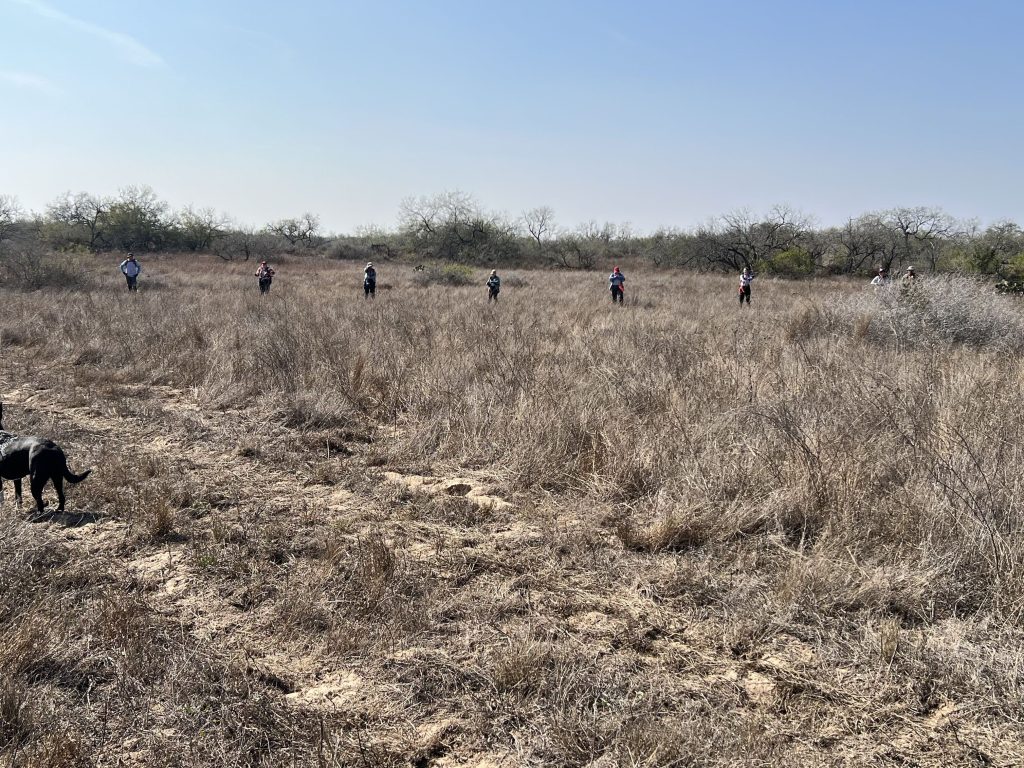
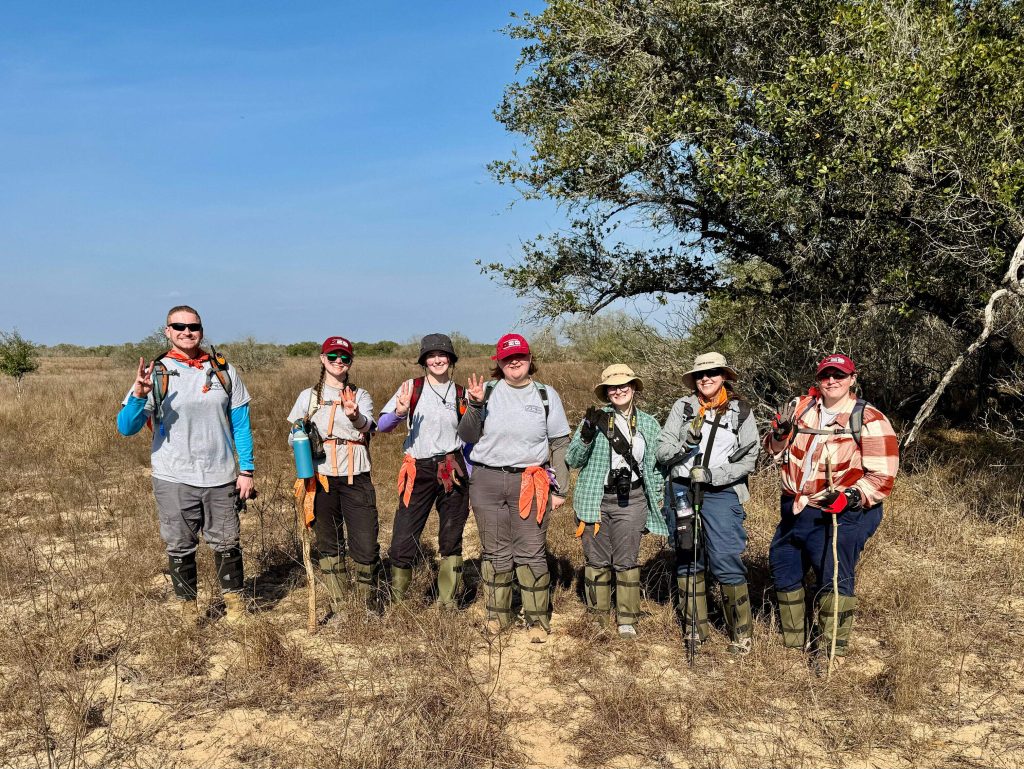
While the project’s primary goal is to assist in the search for and identification of undocumented migrants who have gone missing while attempting to cross into the United States, it also offers profound opportunities for personal growth among everyone involved. Working alongside students and colleagues in this setting reinforces the importance of teamwork, trust, and shared responsibility. It is remarkable how much learning (both personal and professional) can occur in just a few days.

I am humbled by the dedication that Dr. Krista Latham has poured into this humanitarian effort since its inception. Over the past 14 years, she has thoughtfully shaped an experience that encourages self-reflection, collaboration, and empathy. One of the most meaningful parts of each day is the evening debrief, when the team comes together to reflect on what we have learned, what we have done well, and where we can improve. These conversations deepen our understanding of the work and of one another, fostering the sense of community that is so essential to Beyond Borders.

One moment from the field that has stayed with me is the realization of just how physically and emotionally demanding this work is. Last year, I wrongly assumed I would have “spare time” to edit upcoming course syllabi, which was quickly proven wrong. In such a short amount of time, it can feel as though we make only a small dent. Yet Beyond Borders is not defined solely by what can be accomplished in the field. As an educator at the University of Indianapolis, I see this project as an extension of the classroom, which challenges students to confront firsthand the realities of forensic anthropology, ethical responsibility, and humanitarian work. These experiences impact how this generation of students think, learn, and approach their future careers in ways that traditional coursework cannot do alone.

As I return for a second year, I look forward to continuing assisting, strengthening relationships with students and colleagues, and carrying the lessons learned in Texas back into the classroom and beyond. Returning brings a different perspective which is shaped by experience, humility, and a deeper understanding of the emotional and logistical realities of this work.

AE

Approaching the Texas Borderlands with Intentionality

“But progress isn’t just about stopping bad things from happening. It’s about creating the conditions for new things to happen—things that otherwise wouldn’t have happened, would never even have been imagined.” — Paul Murray, The Bee Sting

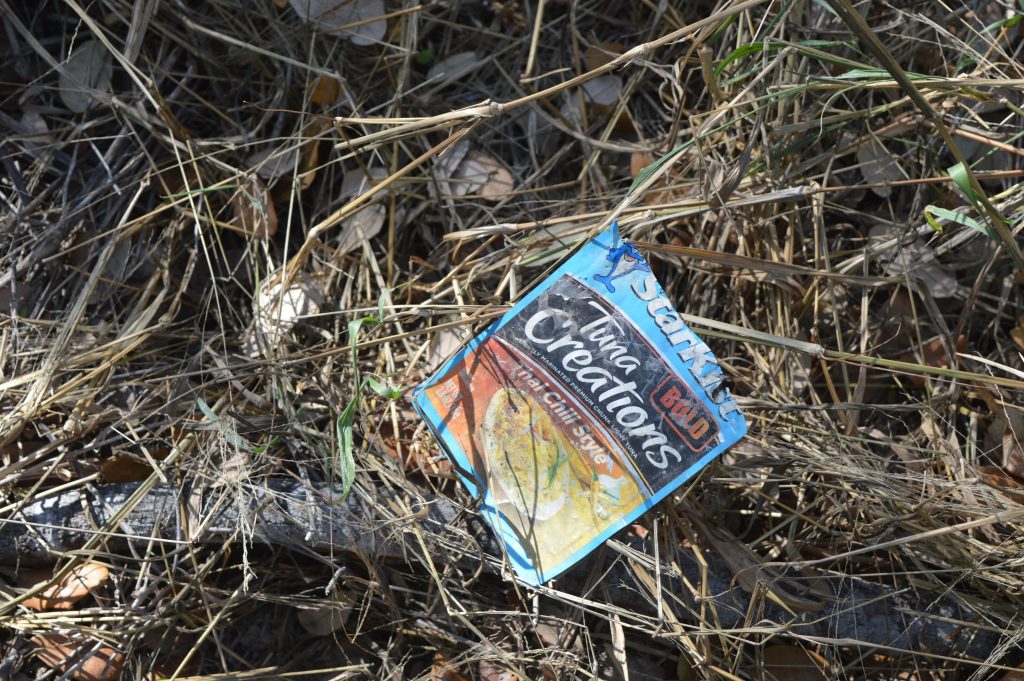
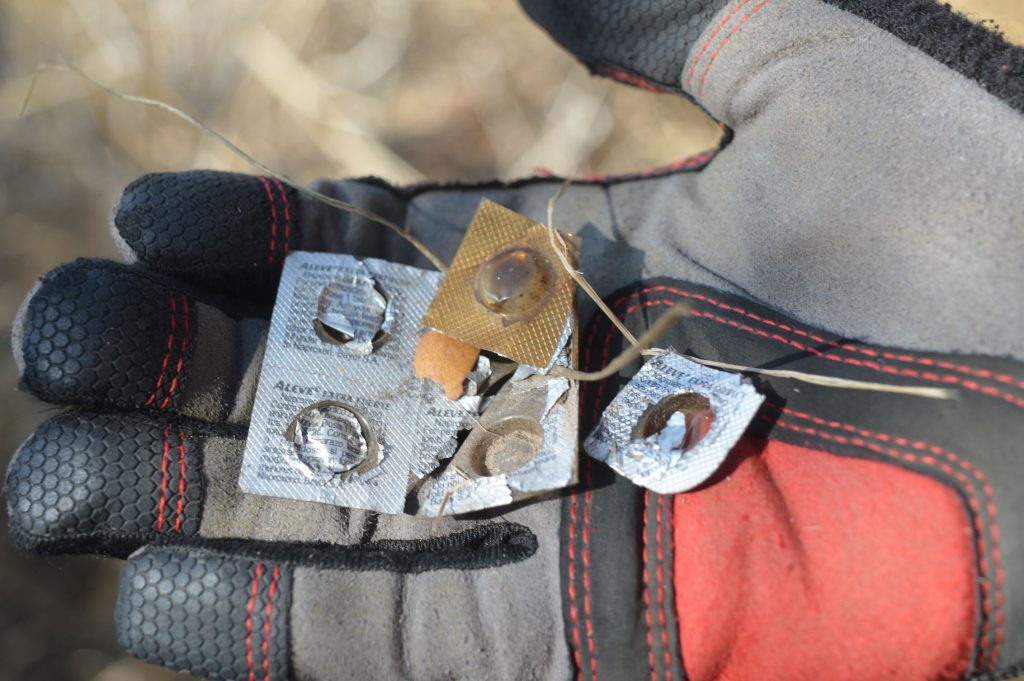
As I am preparing to leave for Texas, surrounded by family and friends for the holidays, I have been thinking a lot about the individuals and communities we will encounter in Falfurrias. With the goal of our mission being to provide humanitarian forensic aid, I have thought extensively about those who have died while en route to the United States and what they may have experienced while traversing remote ranchlands and grueling terrain. However, more recently, I have found myself thinking about the other moments of these individuals’ lives; the moments before they were lost to this humanitarian crisis.

When encountering unidentified migrant remains in the Texas Borderlands, we are only encountering one juncture of the individual’s life—their death. Although we can hypothesize about a person’s life from their remains, there is a lot about an individual’s story that is lost when they die clandestinely, especially if they remain unidentified. Thus, we may never fully understand the circumstances that drove an individual to migrate, the loved ones they had to leave behind, or the fear they may have felt when making the perilous journey across the US-Mexico border. How can we prevent these individuals from going unidentified and their stories forgotten? These are just two of the questions I hope to investigate firsthand through our work in Texas.

Although my previous research has provided me with significant insight into the sociopolitical variables that have shaped this humanitarian crisis across the southern US border, my research took a more analytical approach, investigating the forensic response to this crisis. While I engaged with content that explored the migrant experience, it was often limited to individuals’ journeys crossing the border and came exclusively from secondary sources. Thus, while the primary objective of our trip is to assist in the search and recovery of unidentified and missing migrants, I have also set a personal goal of gathering as much information as possible about the experiences of both local community members and missing migrants, in life and in death.

I have chosen this goal because, recently, it feels as if the humanitarian crisis occurring at our southern border is becoming an increasingly normalized and more peripheral topic. With location and socially constructed barriers distancing many of us from the deaths occurring along the US-Mexico border, it can be difficult to recognize the efforts made to dehumanize migrants, especially when they have existed for our entire lives. However, I believe that when reminded of the similarities between us and those we distance ourselves from through language and politics, we realize that, despite these barriers existing in real ways, they are not inherent and can be challenged.

I hope our work can help remind people that those who are lost while traversing the Texas Borderlands are people with lives, families, and dreams—not just statistics. While our forensic efforts can help achieve this objective by assisting in the identification of migrant remains, I hope to personally contribute to this goal by preserving the memories of those we encounter—both living and deceased—and taking their stories/lessons with me. I feel that, equipped with these stories, I will be able to confront dehumanizing and criminalizing rhetoric I encounter post-Texas and realistically challenge the sociocultural barriers that seek to separate ‘us’ from ‘them’ and thus the unnecessary deaths occurring at the southern US border. As Paul Murray suggested in The Bee Sting, perhaps sharing these individuals’ stories and our own personal experiences in this liminal space will create the “conditions for new things to happen—things that otherwise wouldn’t have happened, would never even have been imagined.” It is when we begin having these conversations and becoming more comfortable discussing the harsh realities of this humanitarian crisis that progress can occur.

Peytin

pathway along fenceline

Preparing to Return

It feels strange to say that just a year ago I was sitting down to write my first blog post in preparation to head to Texas. It feels even stranger to be sitting here now, preparing to return, and realizing I’m unsure what there is to say.

I thought that I would feel excited at the prospect of returning, or perhaps even ready for what I will experience there, but all that I feel right now is an odd sense of uncertainty. Uncertainty of what Texas will be like this year, of how I can be the best teammate for the others on the trip, and even what I will face emotionally while there.

Over this past year, I have reflected briefly on my time in Texas and the things I experienced, but I have spent even more time neatly compartmentalizing those memories– placing them onto a shelf that I don’t have to look at, even though I know they are there. I have not thought much about my time in Texas since the summertime, perhaps because I became busier with classes and work and just life in general, but also because it is undoubtedly easier to surround myself with a protective bubble of not having to think about these things to avoid grappling with the sheer magnitude of weight that they carry. It’s easier, and that’s the unfortunate truth.

At the same time, as I write this, I find that I am becoming aware of just how privileged it is to put those thoughts aside, to not think about the complex and painful truth that is the crisis happening at the border. I get to go on this trip, spend a week experiencing things that are so unfamiliar and new to me, and then I get to return home and push the thoughts aside because it is more comfortable not to have to think of them. It’s easier, and it’s safer, than sitting and living with that knowledge. But the migrants crossing the border every day, in all seasons, from all walks of life, heading towards uncertainty, are not afforded that option.

Returning to Texas means opening these thoughts back up and facing what it means to be privileged in this country. It means confronting the reality that my participation is, in many ways, temporary and voluntary. It’s a choice, not a necessity, and yet I know it matters even if I am only a small part of it. It matters to show up, to listen, to be a witness, and to lean into the discomfort instead of stepping around or avoiding it.

This time, I think returning means choosing not just to observe, but to engage more fully, to think about how the things I learn there shape what I do when I come home: how I talk about this work, how I honor those whose lives intersect with it, and how I use my position and education to move beyond momentary empathy towards sustained advocacy.

This year, I hope to ask harder questions, of myself and of the world I am part of. And I hope that in the end, when it becomes easier again to not think about it, I will choose the harder path that keeps me open, connected, and accountable.

Because if it doesn’t change me, then why go?

– Makenna

Deputy Don White rests while out on a ranch.