Category Archives: Human Rights, Migrant Death

Talking about the project itself

The fire still burns

It has been a strange couple of days since I’ve returned home from Texas. I assumed I would fall asleep immediately on the night we returned and catch up on the hours of sleep I had lost during the trip. I assumed my body would be fatigued and ready to finally quit once I made it home. Yet somehow, to my surprise, I had quite a lot of momentum to unpack my bags and take a nice long shower before bed. Truthfully, I think I was still excited. The fire that burned inside of us all, that had kept us all going as we pushed ourselves to our limits during the last two weeks, was still stirring inside me.
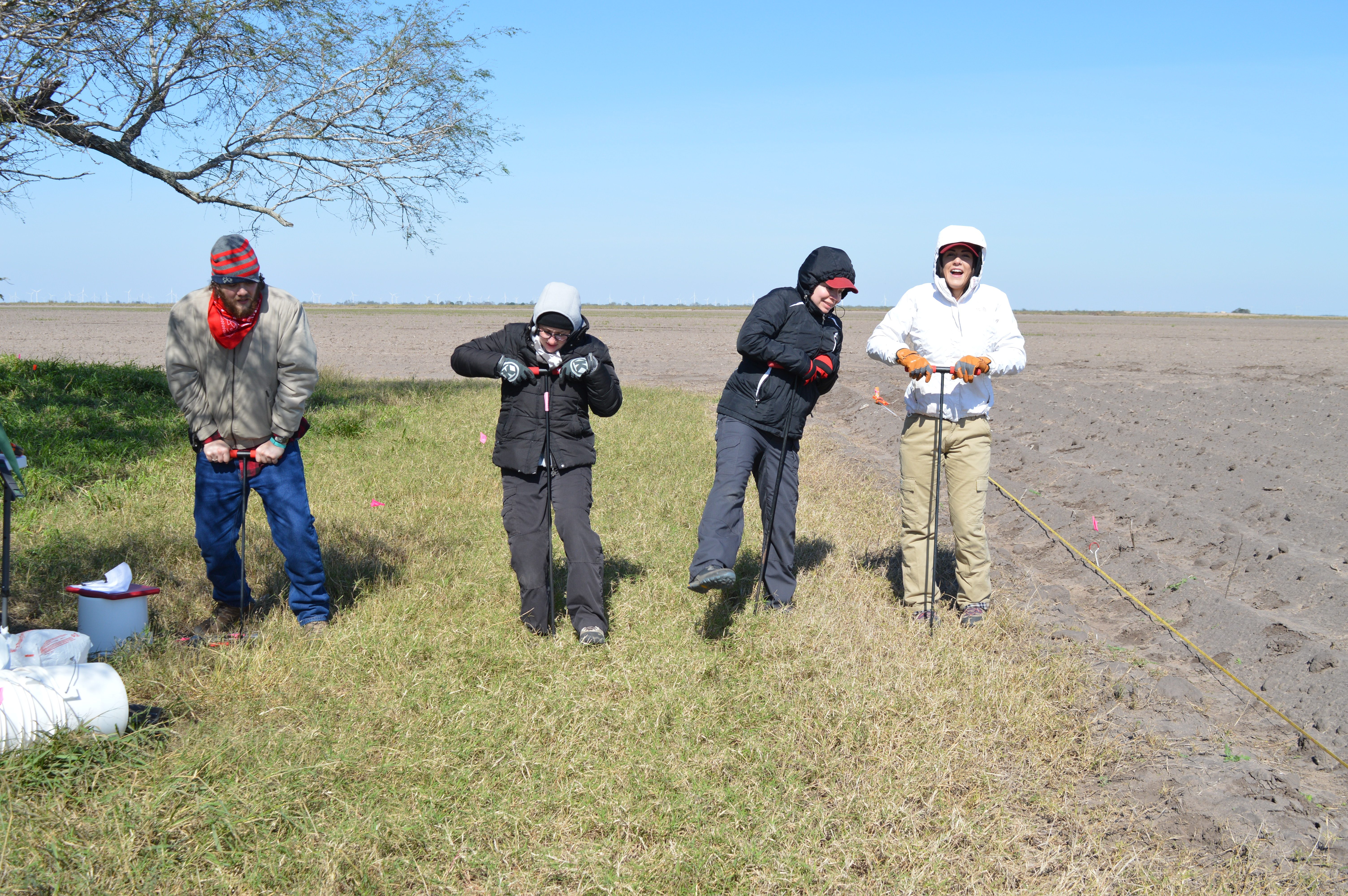
Team members using t-probes in the field.
Probing the surface on day 1

Now that my life has returned to a normal pace over the past few days, I have had the chance to reflect on the various ways that Beyond Borders has positively affected me for the rest of my life. Based on the presentations I had seen beforehand by previous Beyond Borders teams, there were a number of takeaways I was expecting to gain from this experience. First, I was expecting to gain technical skills. As mapping apprentice, I knew I would be presented with a ton of information in order to solidify the foundation I would need to apply the principles of mapping to future scenarios. I was also hoping to refine some of the essential techniques for successfully surveying and excavating a site. Second, I expected to gain perspective in regard to the sociopolitical issues going on at the Texas-Mexico border. Third, I expected to gain professional relationships with colleagues and volunteers participating in the exhumation of buried migrants. All of these expectations turned out to be true, but I learned so much more than I was originally expecting.
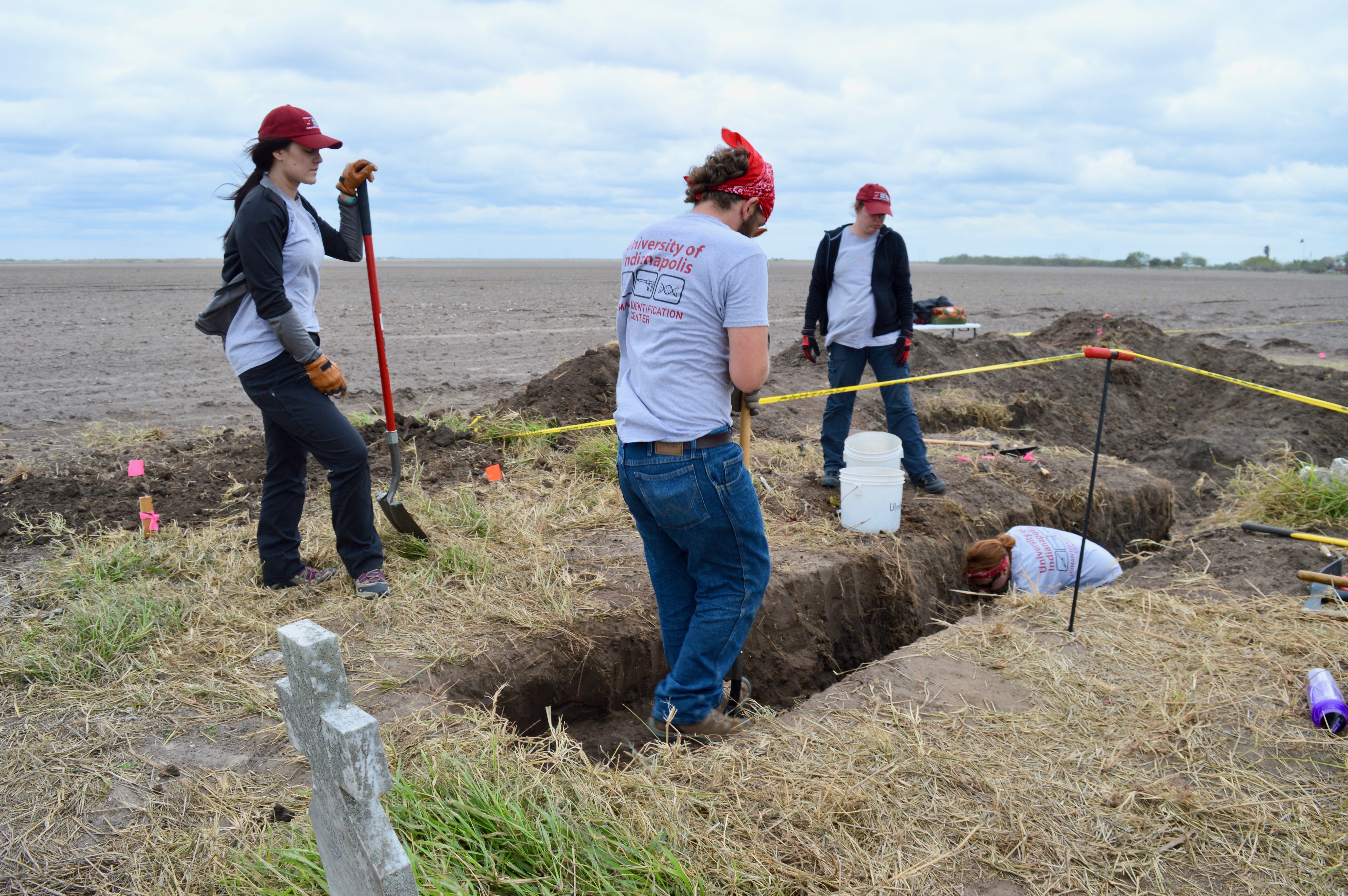
Team members digging trenches.
UIndy’s team digging trenches to investigate the area

I was astonished by how well our team worked together. For how little we knew each other, we shared some incredible, collaborative moments from the moment we began working together on our quadrant. The sheer magnitude of individuals that needed to be exhumed from the cemetery surpassed all of our expectations. What was initially assumed to be up to 30 migrants buried at the cemetery became over 70 individuals scattered throughout the cemetery in unmarked graves.  After knowing almost nothing about the site beforehand, we practically went in blind on our first day. We were not able to devise a plan as we hoped, so I learned a lot about thinking on your toes. The quick-thinking, collective, group-effort that took place during this trip was an essential lesson that I will be able to apply to forensic anthropological recoveries in the future.

I was also amazed by how raw and real the South Texas border issues felt on a daily basis. For instance, there was security present at most establishments due to high crime in the area. Even the vehicle checkpoint in Falfurias, with regular and infrared cameras facing every direction, was there to protect against drug and illegal immigrant smuggling into the Northern parts of the state. I also found that some of the attitudes towards unidentified migrants were represented in the treatment of burials. Their lives are clearly not regarded with the same importance as you would expect to see with other citizens and identified individuals. That is why volunteers like us are so important in helping to give their identities back, so their remains can be rightfully returned and their loved ones can receive the closure that they long for.
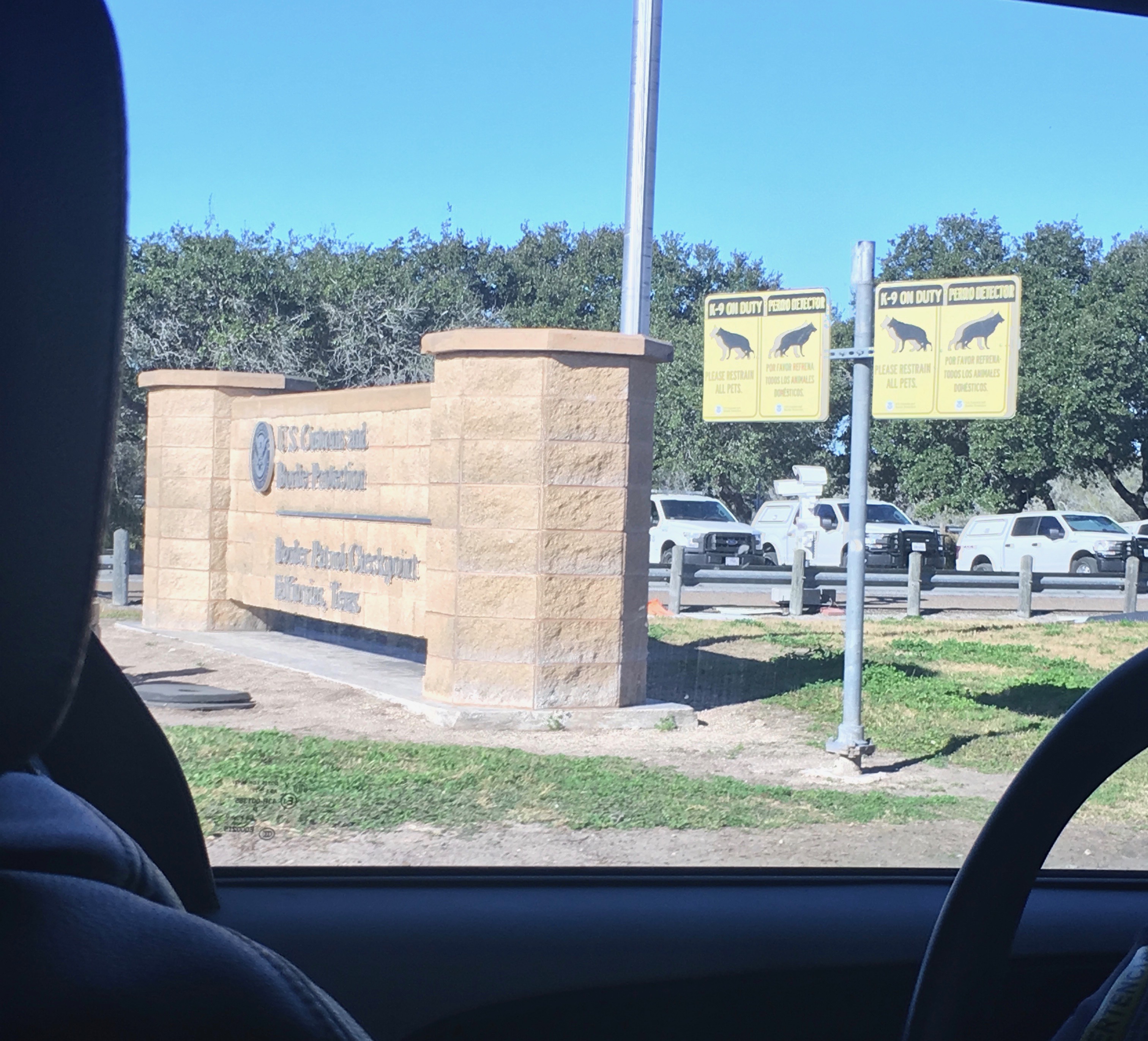
Border Patrol checkpoint in Falfurrias, TX.
Checkpoint in Falfurias, TX

There is genuinely no better educational experience than being placed in a real-life application of the techniques we have been studying out of textbooks for years. I learned so much about my UIndy colleagues and Dr. Latham during the 11 days we spent together. We shared so many laughs, coffees, spicy foods, physical struggles, and inside jokes together. Plus, although we felt slow and loopy at times, we never lost sight of our goals. The fire still burns inside me from this humbling, humanitarian experience and I cannot wait to share it with friends, family, and strangers — to spread awareness about the silent loss of human lives taking place in our country.
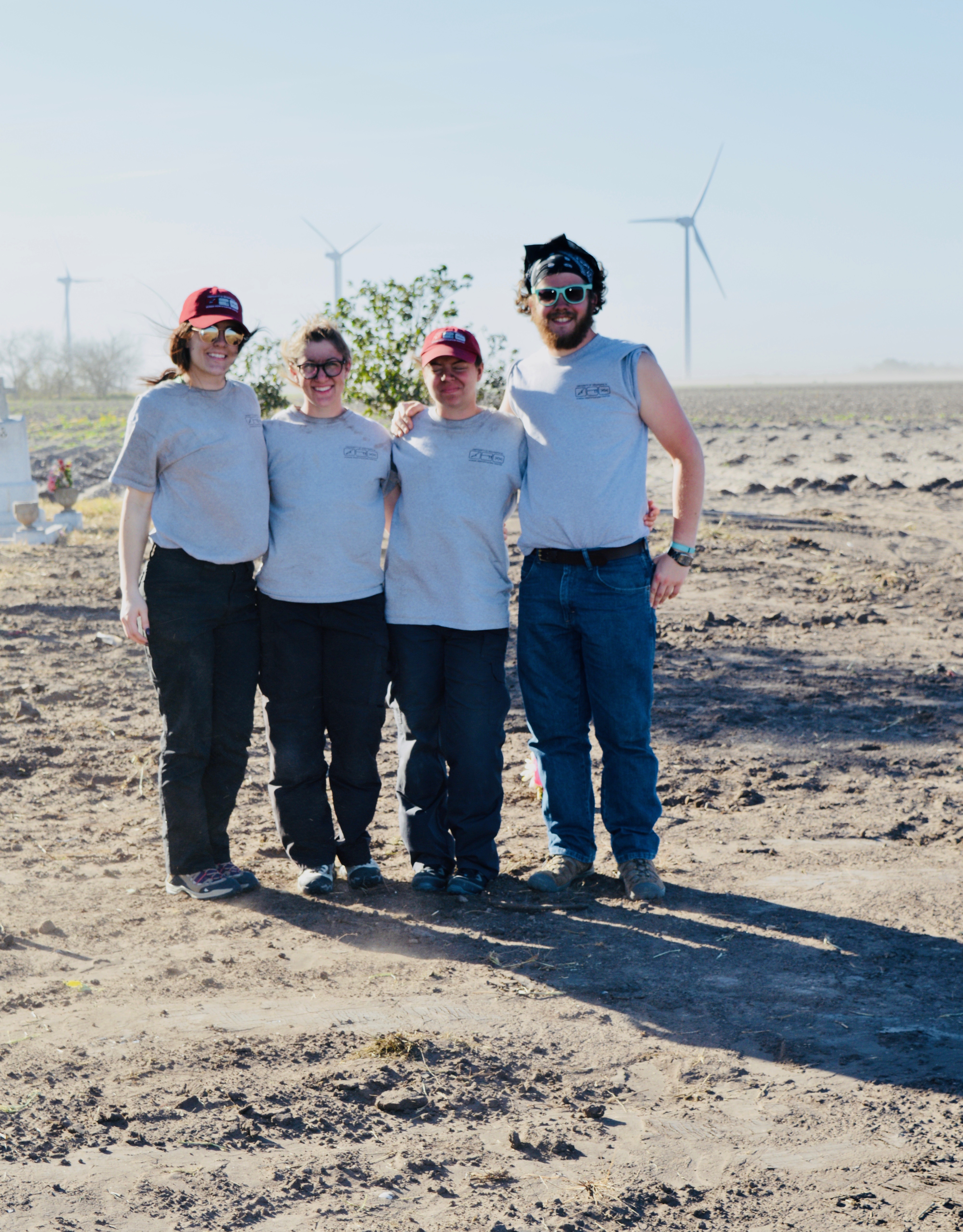
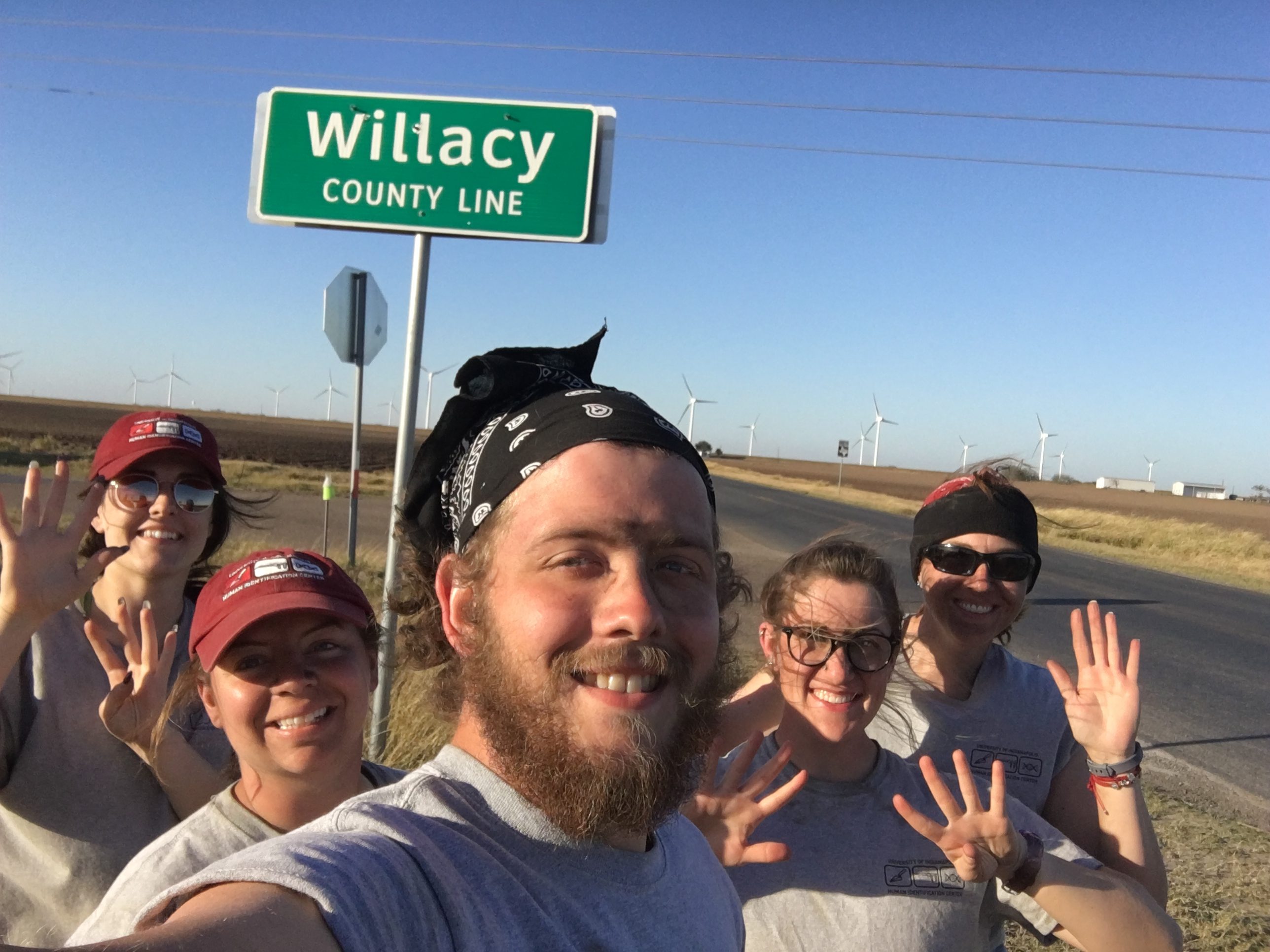
Team photo.

Hope to see you again soon, Texas.
Sammi

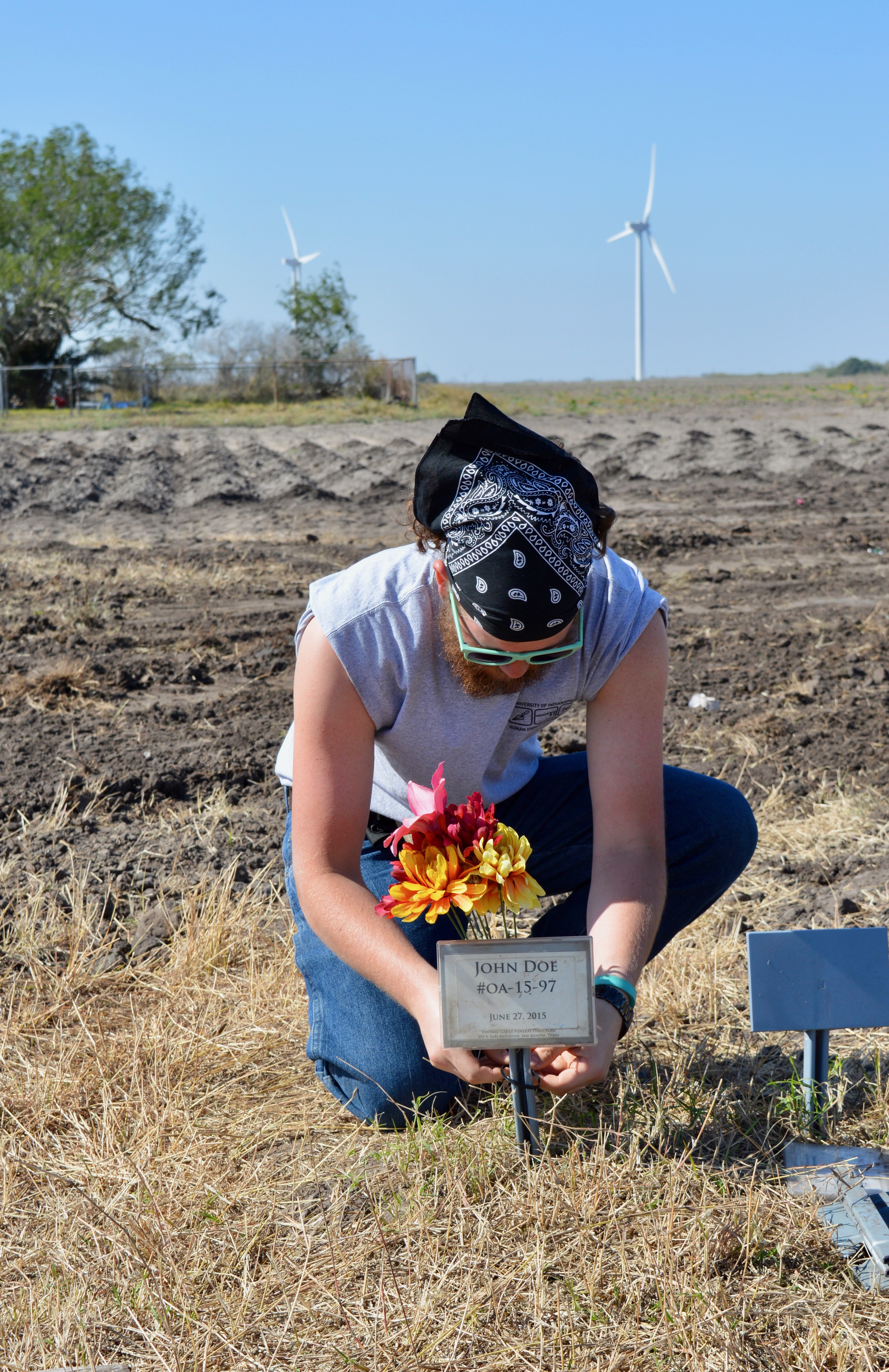
Overview of a person in a cemetery with windmills in the background.

Day 9: A Day of Closure

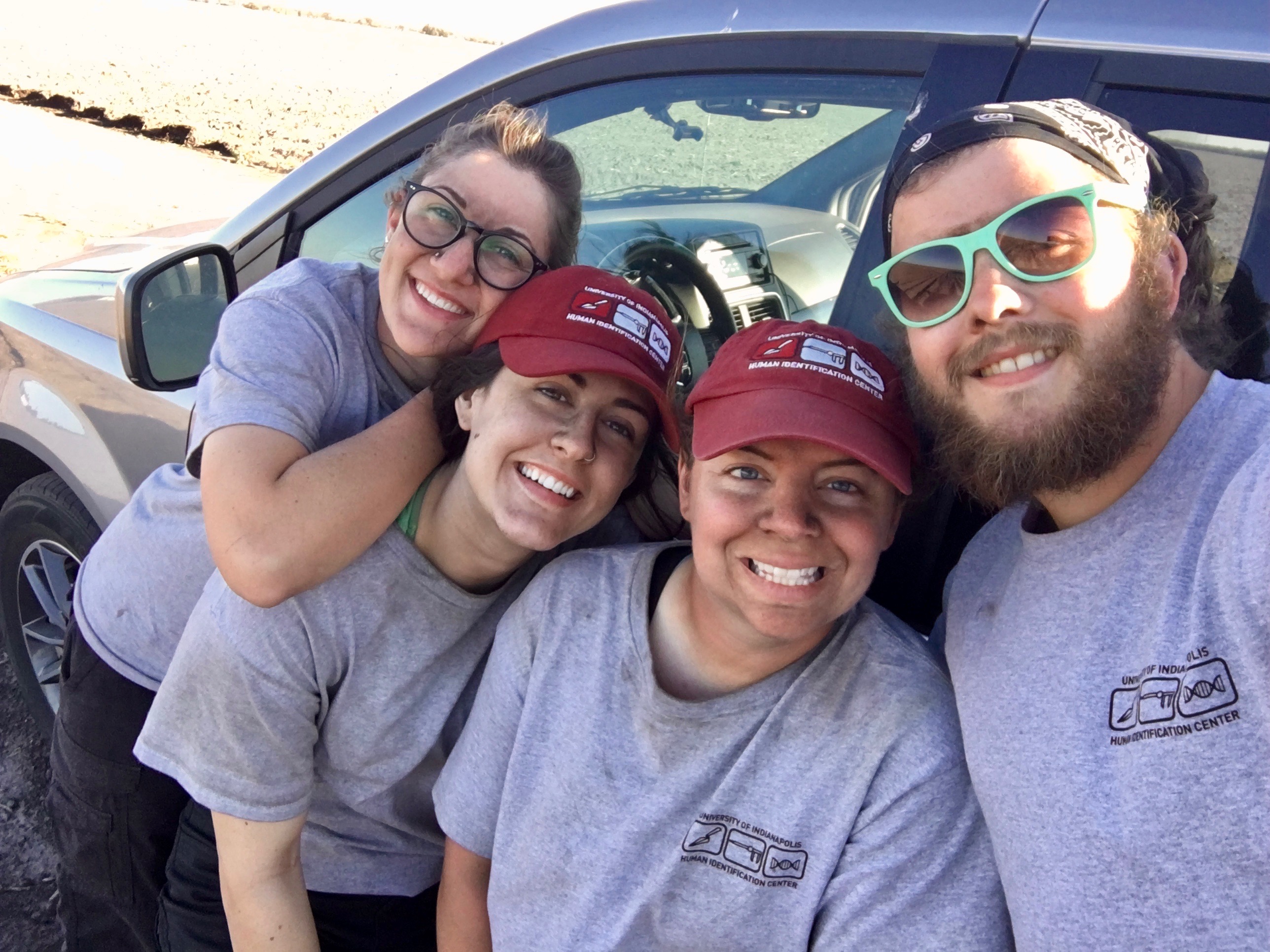
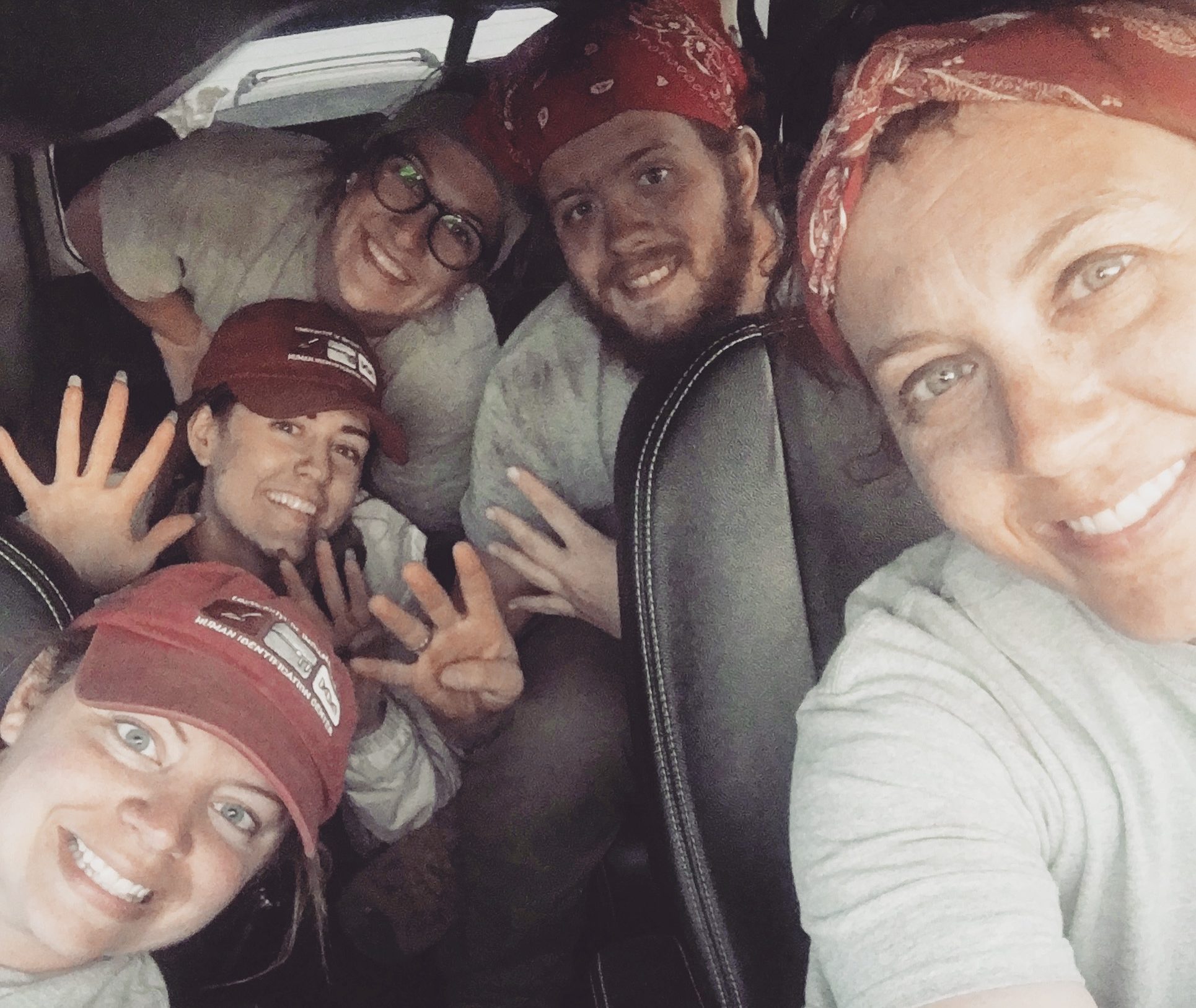
Leann, Sammi, Jessica, and Jordan smiling and dirty after a day of work.
End of day 9: Leann, Sammi, Jessica, and Jordan

As our last day comes to a close, I cannot help but think about the people I am going to miss. I will miss Dr. Spradley, Dr. Gocha, Deputy Don, and the many others who volunteer their time to assist in identifying the individuals who exist as a mere number in the legal system without this humanitarian effort.  I will miss Joe and Luis, who not only came to the cemetery every day with an eager outlook and a focused mind, but proceeded to bring us donuts, fried chicken, fruit, or pistachios to show their appreciation for the hard work we put in. Today has been full of various emotions. Dr. Latham said this has been considerably different than the final day of most previous field seasons. This time, the groups are not working to quickly, carefully uncover the final few individuals before cleaning up and leaving the site. The UIndy team has finished thoroughly investigating every open area of our quadrant for the remains of the unidentified migrants we are searching for. This time, our final day is a day of closure.

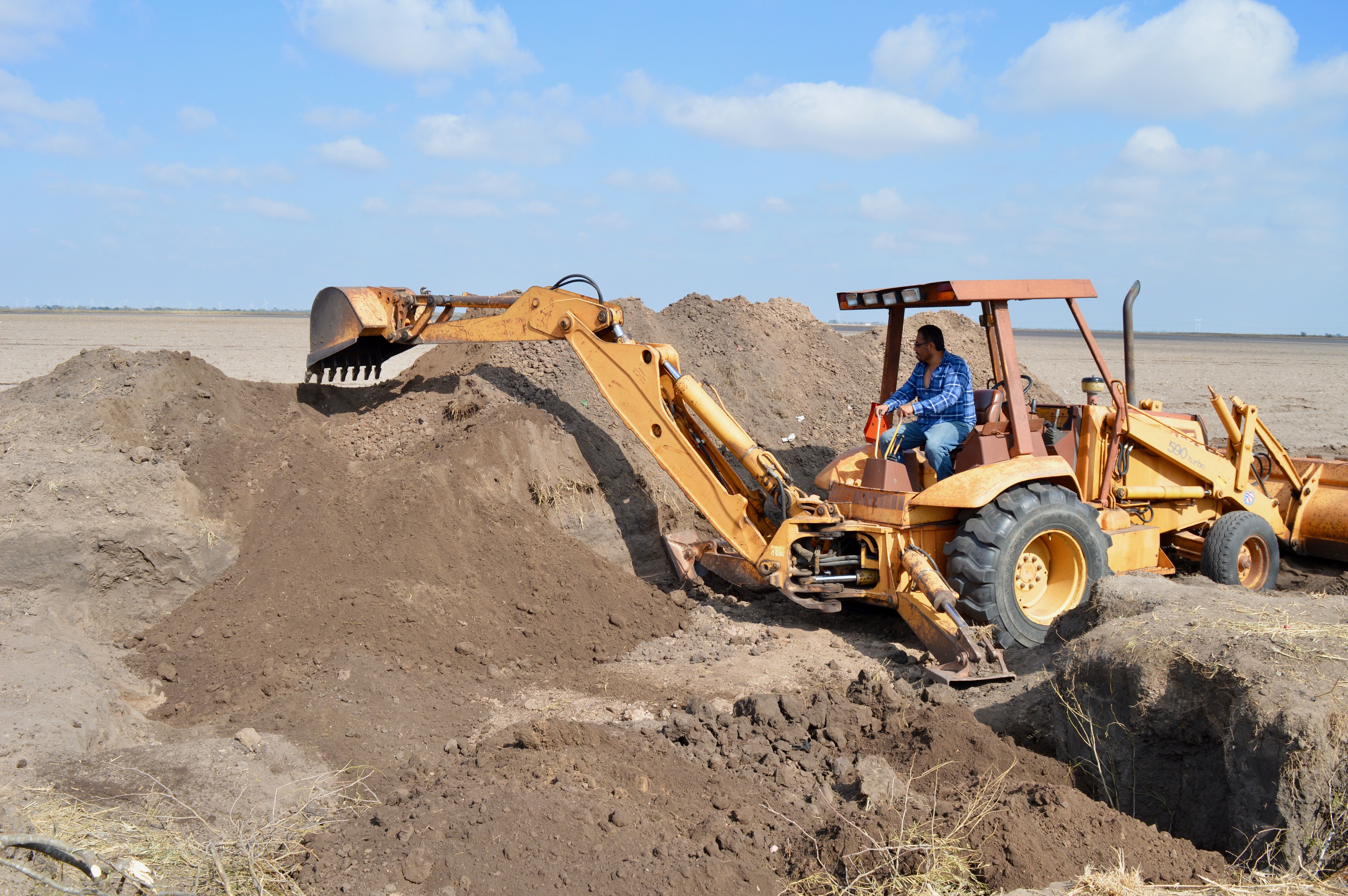
A back hoe filling in a pit.
Joe filling our pit with dirt, using the back hoe

As Joe and Luis worked on filling in the large pits we had excavated within, everyone else supervised and cleaned up the site. Texas State came back with coffee, so Joe took a break and came over to our group. During this time, he shared some of his experiences living and working close to the border. It was powerful to hear the sincerity in his voice as he reminded us that people walk enormous distances to cross into the United States in search of a safer life and higher paying jobs, yet die of heat exhaustion, starvation, and dehydration as they journey through the state avoiding checkpoints. This was the most I had interacted with Joe during the trip, but it was valuable to receive a local’s perspective about those suffering in this crisis.

A team member placing flowers on burial markers.
Placing flowers around the marked burials

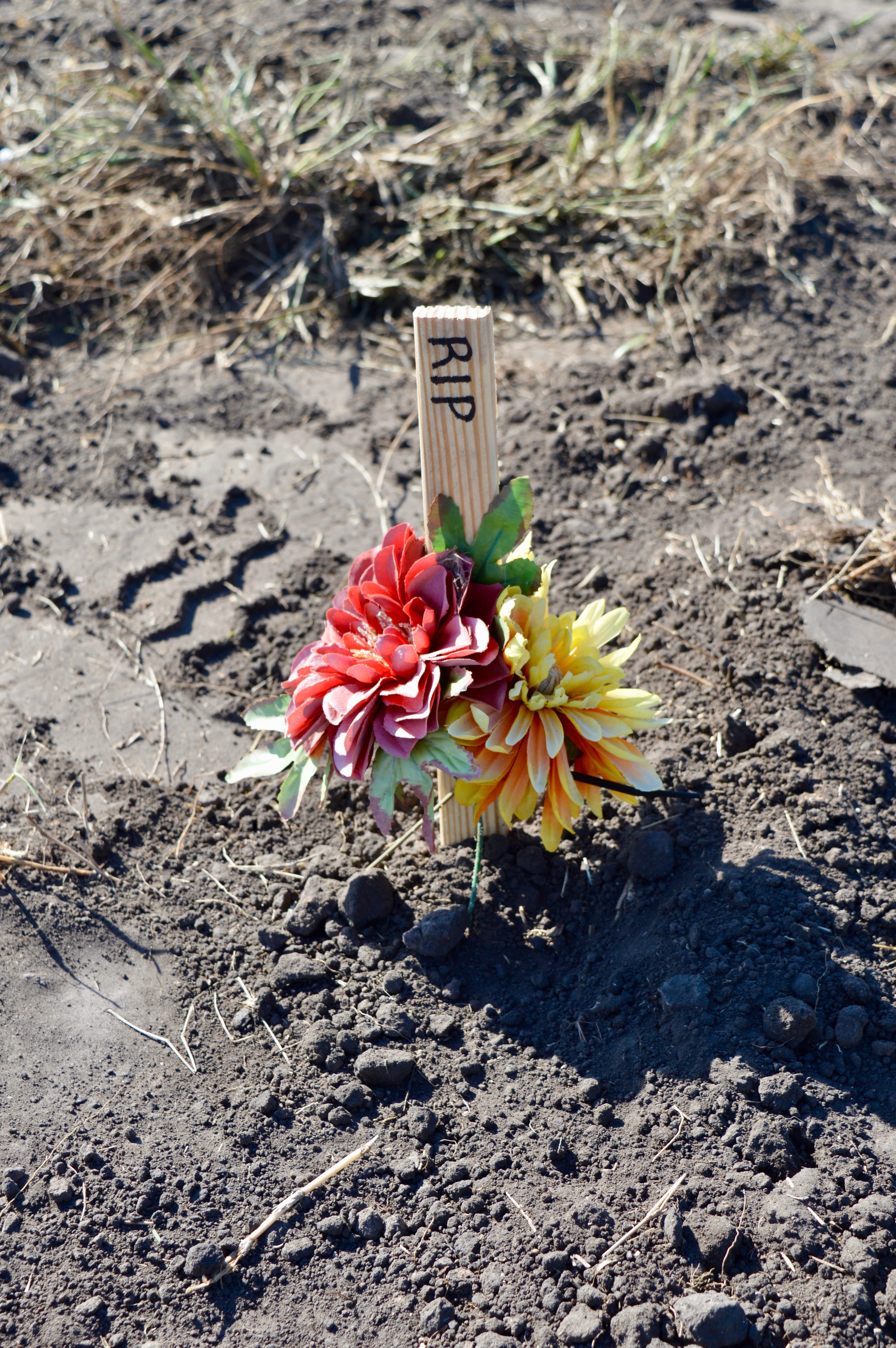
Once the surface had been entirely leveled out, we gathered plastic flowers, trimmed the grass around grave markers, and stuck the flowers in the ground or tied them in place in front of every burial. Every single burial received at least 3 flowers, thanks to Leann. Leann essentially became the self-established site florist for two hours as we finished marking burials that had been missing a sign. It is so important to Texas State University and University of Indianapolis to show our respect and leave the cemetery even better than we got it. This felt like the perfect final gesture to end the exhumations with a small gift.

Wood grave marker with flowers.I have been very touched by the events of our final day. I was able to see the site in stunning condition before we left to drive back to our hotel for the last time. There is still much to do. Leann and I have some mapping to work on over the weekend, and a long day of travel ahead of us tomorrow. However, I have been absolutely amazed by the amount I have learned from this experience. Texas has been extremely good to the Beyond Borders team this year, and for that we are grateful. We are very fortunate that Dr. Latham’s involvement with this project has allowed us to participate another year and provide students with the opportunity to help provide closure to many families who have lost their loved ones.

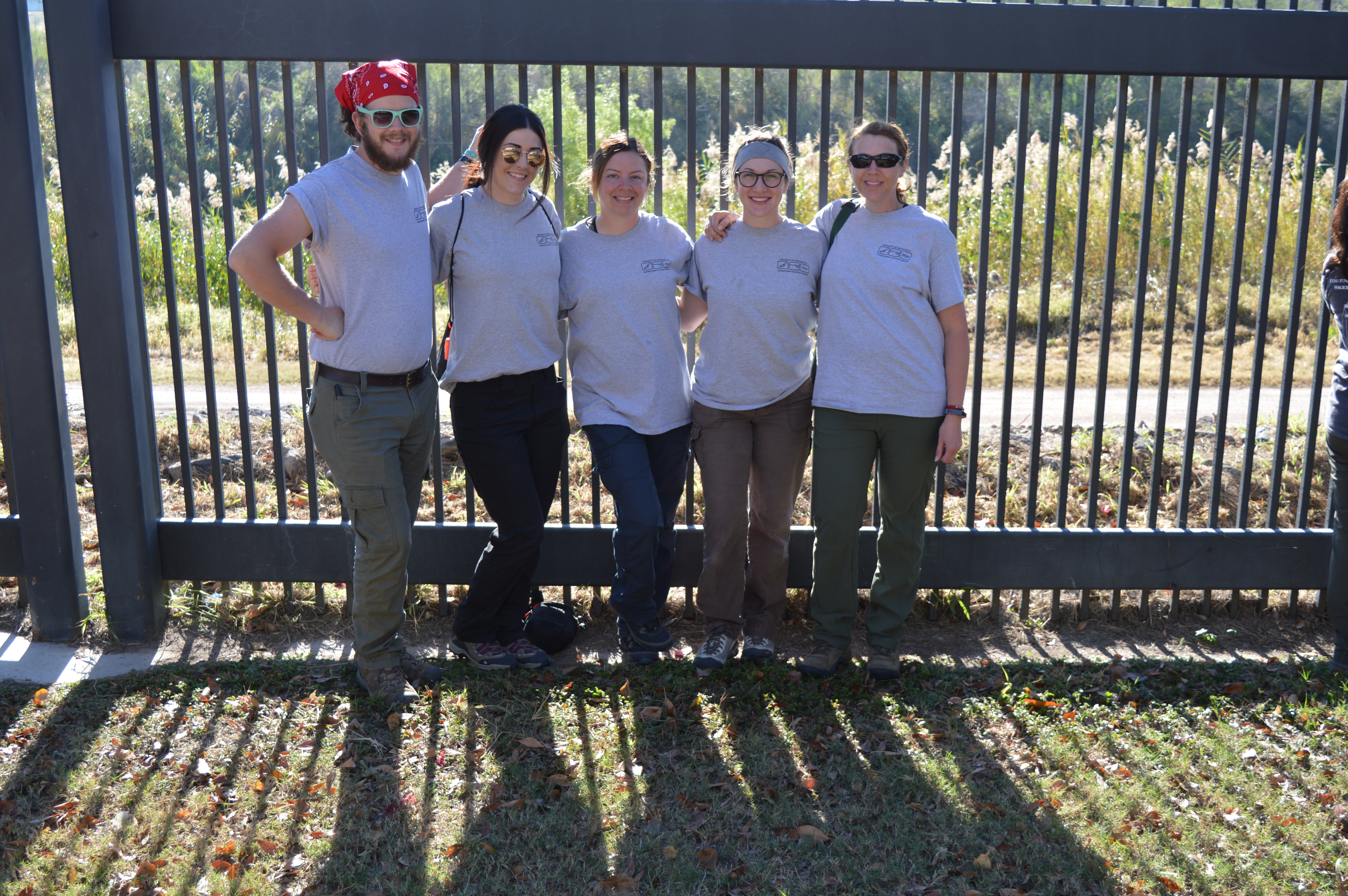
Team photo on day 9.
Day 9

Sammi

Day 8: Why We Are Here

We are exhausted.  In fact, we are beyond exhausted.  Today marks eight straight days of pushing our bodies to the brink of our physical strength.  We have had at least ten to twelve hour days every day since we have been here, on top of hours of blogging, mapping, and debriefing each night, and our bodies can tell.  Despite all of the physical exhaustion and emotional challenges we are facing, we never complain and we never forget why we are here.  We are here because the individuals being exhumed faced far worse conditions than us, conditions we can never even begin to imagine.  We are here because these individuals risked their lives and died seeking a better and safer life for themselves and their families.  We are here because these individuals were buried without any attempts at identification, leaving their families to wonder what happened to them.  We are here because we are fighting for justice for the individuals who have had their basic human rights blatantly ignored.  We are here because of the families missing loved ones, hoping to bring them closure and free them from the pain of not knowing.  This keeps our team going.  We never forget why we are here.

……..

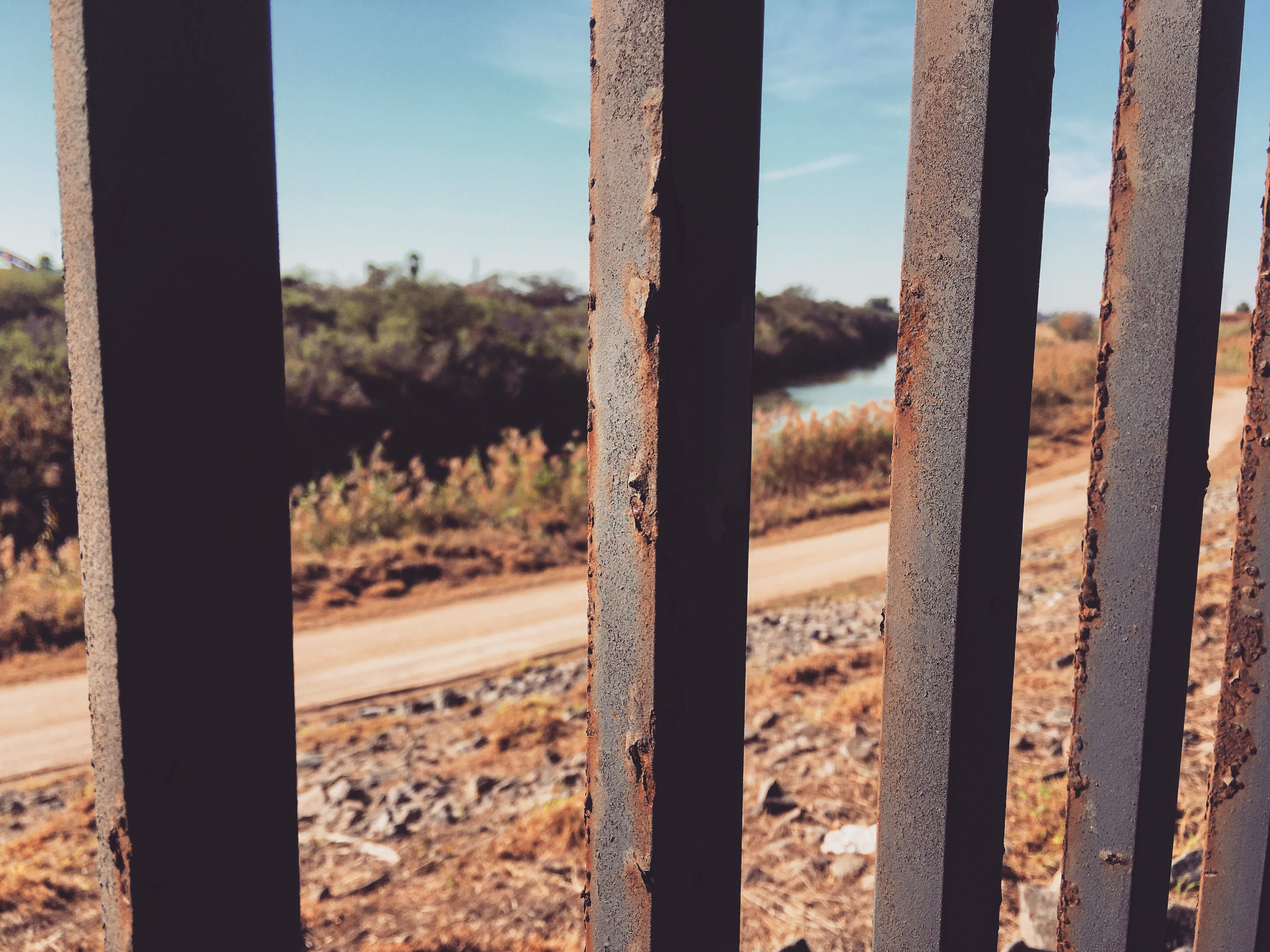
Looking through the border wall.

This morning, we visited “The Wall” in Brownsville, TX.  We stopped at a beautiful park downtown that was right along the wall where we were able to sit and reflect on our experiences thus far.  One of the most powerful things that happened today was noticing the presence of a Peace Pole in the park.

A Peace Pole in Brownsville.This peace pole is part of a larger Peace Pole Project, which consists of  hand-crafted monuments displaying the message “May Peace Prevail on Earth” in multiple languages.  Peace Poles are found in 180 countries worldwide and serve as constant reminders for us to strive for world peace.  The presence of the Peace Pole in Brownsville served to further remind to our team why we are here.  We are helping bring peace to family members who have missing loved ones.  We are fighting for world peace and to end unnecessary suffering.

Team members at the border wall.
UIndy team at the Wall

After we visited the wall, we went back to the cemetery to exhume the two individuals we found yesterday – pretty straightforward, right? Wrong.  After fully uncovering these burials, we found that there were actually three burials.  We weren’t worried about exhuming a third burial because we still had a half-day to complete all of the work we needed to.  After these three individuals were uncovered, Jessica and I probed an open area outside of our quadrant to feel for anomalies.  Jessica and I each felt an anomaly and investigated them by digging test pits.  Jessica located another burial in her test pit, but I was still only feeling loose soil.  We decided to have Joe and Louis come with the backhoe and carefully remove dirt layers in order to locate these two burials and any other potential burials that lay outside of our quadrant.  In the end, we found three additional burials and had each of them excavated by sundown at 6pm.  We started the day thinking we only had to excavate two individuals and ended up excavating six… for a half-day’s work we are pretty proud of those numbers!

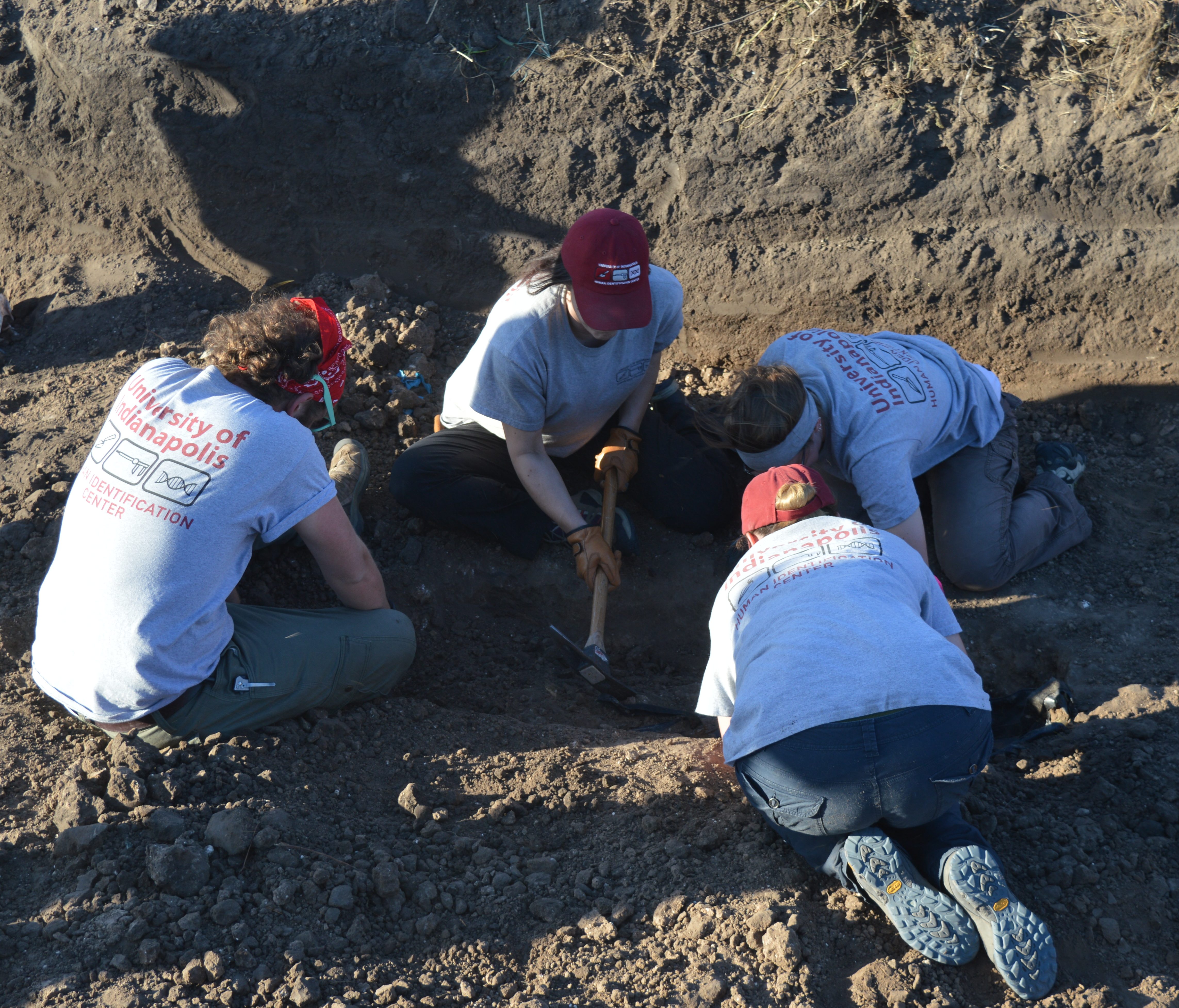
Four team members excavating a burial.
Excavating our 6th burial of the day

Tomorrow, our plan is to head to the cemetery one last time to monitor as Joe and Louis refill in our quadrant. Tomorrow will be a bittersweet day – we worked so hard in our quadrant and moved so much dirt by hand, all remnants of which will be removed in a matter of hours by Joe, Louis, and the backhoe.  However, we are proud of the amount of work we were able to accomplish in just eight short days.  We are confident that we investigated every possible location within and outside our quadrant that these individuals could be buried, ensuring that no one is left behind.  Because that’s why we are here – to exhume every unidentified migrant so they can begin their journey home.

Team photo on day 8.
Day 8 group photo

Leann