Category Archives: Community

Interaction with the community of Falfurrias

Day 5: A Shared Experience

Walking up this morning was hard. Although we are a bit sore and tired, the idea that it was the last day (and that once we were up and out) meant that our trip was coming to an end.
Rebecca's Restaurant in Falfurrias, Texas.
Rebecca’s Restaurant in Falfurrias, Texas

Last night, we decided that for our final field day, we wanted to write our last day blog post all together. This trip was not only an amazing, immersive learning experience, but we found ourselves relying on each other as a team, and understanding each other in different ways. Our trip was a successful one, and we are so grateful to have had this experience. 

After scrambling to pack our bags and get ready for the cold temperatures today, we met Don, Ray, and Socks in the parking lot and drove with them to Rebecca’s restaurant. There, we ate amazing breakfast tacos and waffles while discussing our plan for the final field day, and talking about our favorite moments of the trip so far. 

After breakfast, we loaded up in the trucks and drove out to a ranch our team has not yet searched to start our last field day. Due to hunting on the ranch, we were constricted to a four hour searching window before we had to be off of the property. 

Frankey

On our last day, our goal was to cover part of a fenceline within a 2,300 acre ranch. The fence line seperates two ranches. On the other side is the ranch we wanted to search on day one but could not because of hunting. Because the brush along the fence was so thick, it was important to inspect just inside the tree line as that is where people would find respite from the openness of the two-track that travels the fence line.
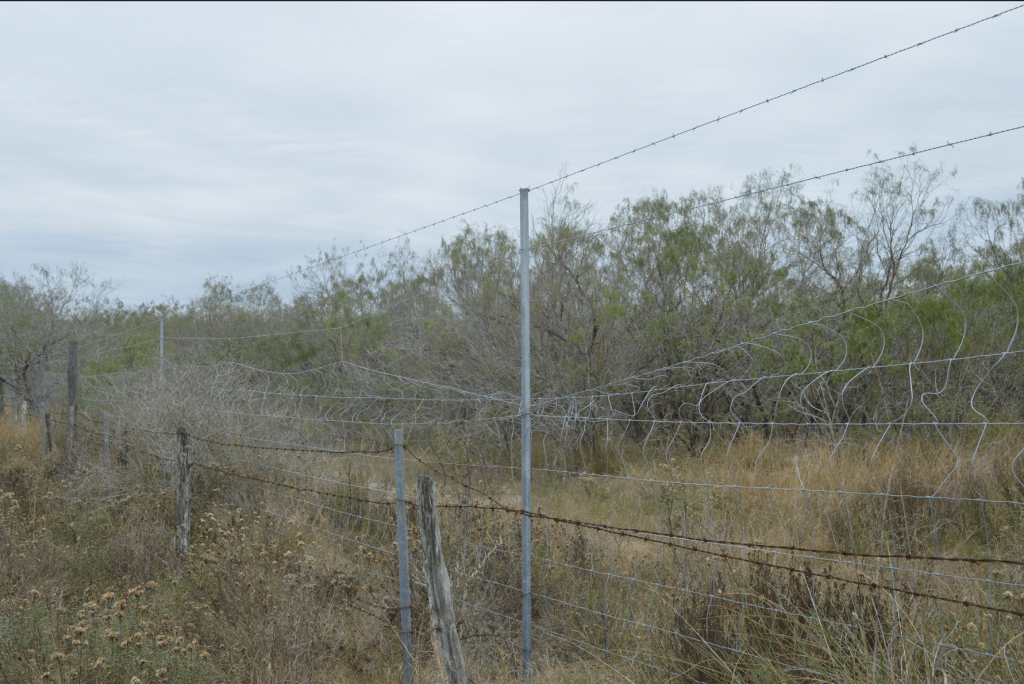
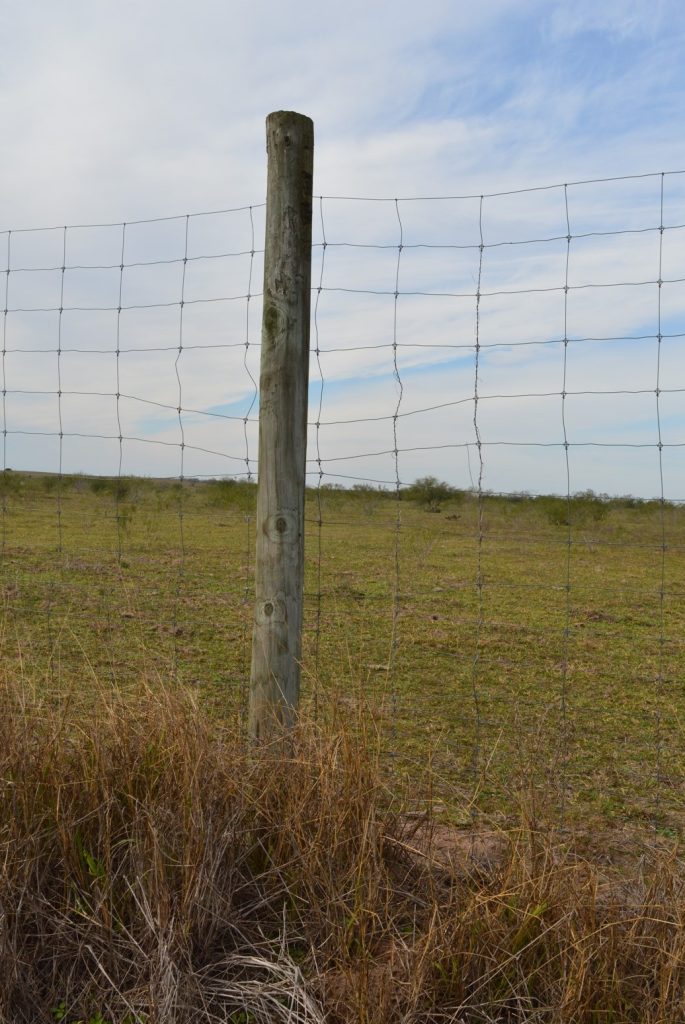
Bent fence from individuals crossing

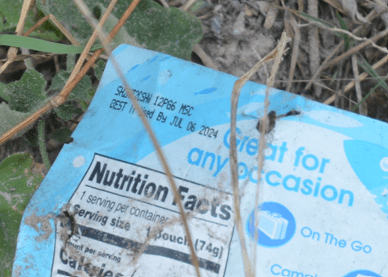
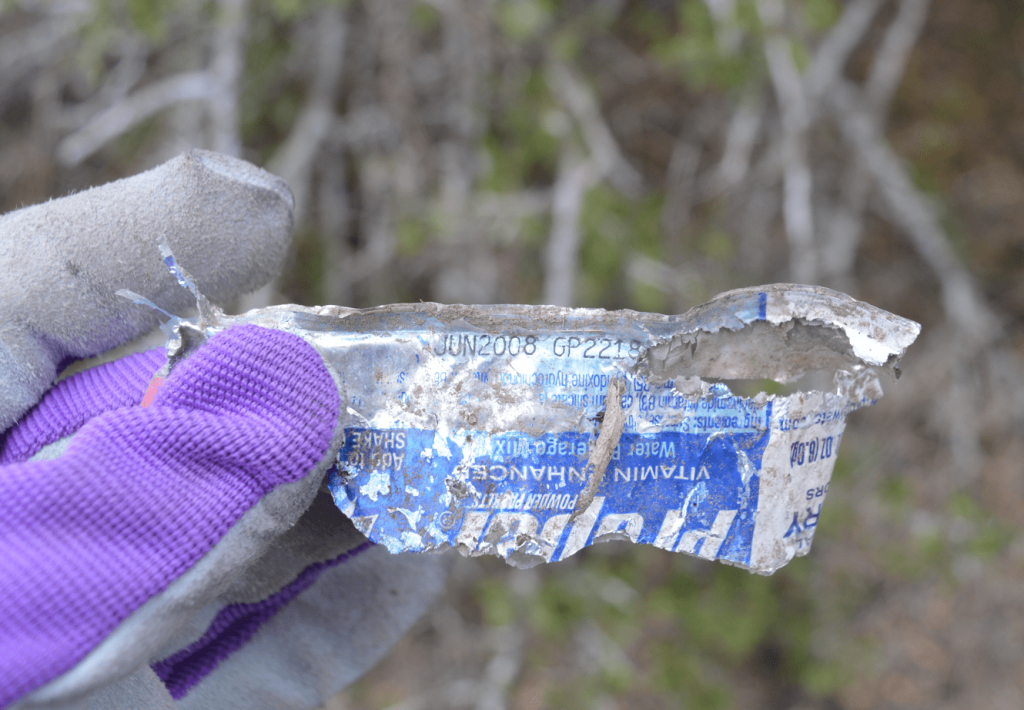
One thing we noticed was the state of the fence itself. Because they are expensive to repair, the evidence of migrants climbing them and places that are popular crossing points are extremely evident. When looking for an active path that migrants are using, examining expiration dates on foods and the state of the artifacts is essential. For example, today we found several food and drink containers, one that expired in 2008, another that expired in 2024. We also found completely rusted cans alongside newer cans.
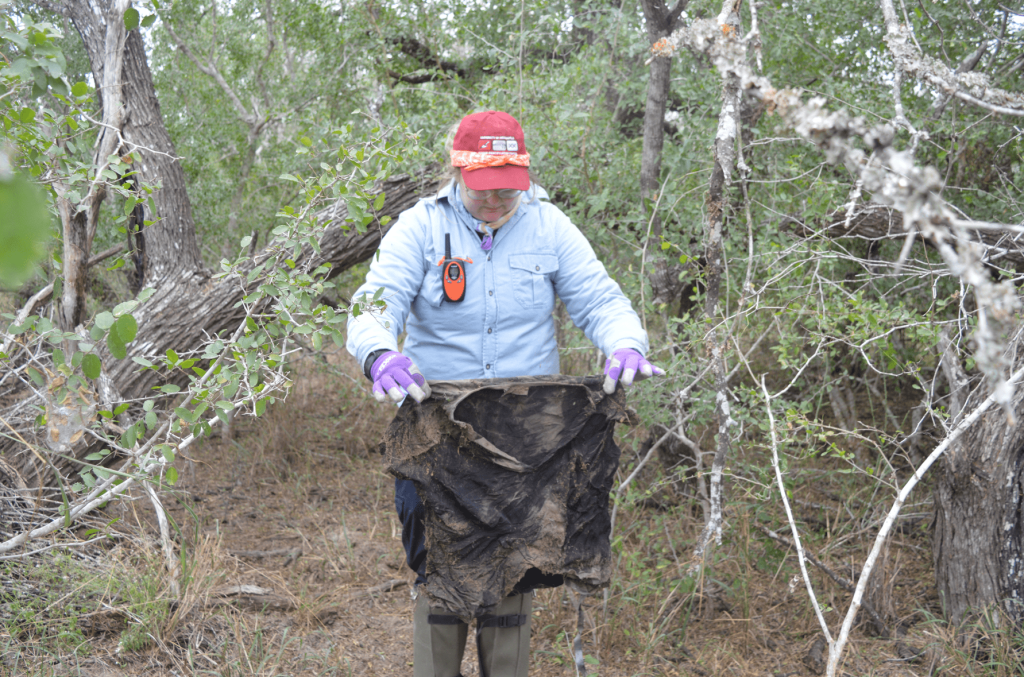
Women's blouse
Chastidy holding up a woman’s blouse

Because of these finds we know that this is and has been a relatively active path and this will be helpful for Don’s future searches. Finding food and drink containers is one thing, but we also uncovered multiple items of clothing. From a woman’s blouse and an army jacket, to a newer looking pair of boots, the similarities between ourselves and the migrants who walked these paths before us becomes clear. It becomes prominent in my reflections personally to think of what I would leave behind if I were in that position. My favorite sweatshirt or my most comfortable tennis shoes? What would cause me to leave those behind? I cannot consider these things without putting myself in their shoes and I only feel more drive to assist and compassion for their situation.
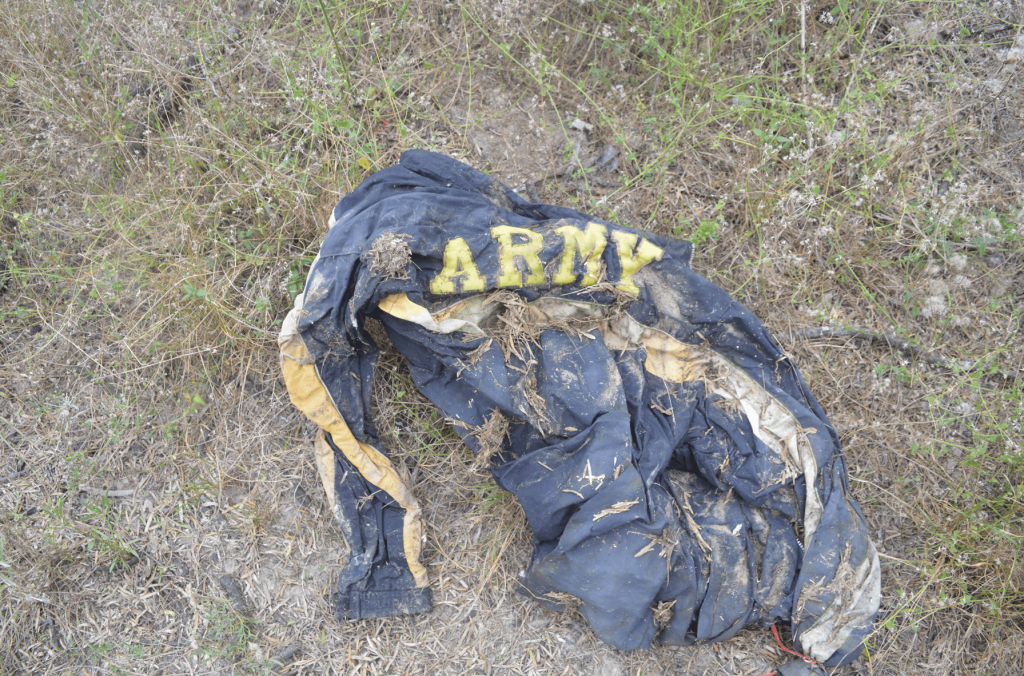
Army jacket
Army jacket

This week we have experienced only part of the physical hardships they endure, barely in their shoes, but enough to know that their journey deserves to be shared. I cannot think of a better group to have gone through this with and that is a privilege unto itself. These individuals possess an incredible strength to go through what they go through, and when I see the pictures of the artifacts they left behind I feel their strength, and my resolve to continue this work is reinforced. 

Lilly

After we left the ranch we began driving towards the morgue, which Don wanted to show us. Before we got there, however, we stopped at the shrine of Don Pedro Jaramillo, a curandero faith healer who lived near Falfurrias for most of his life.
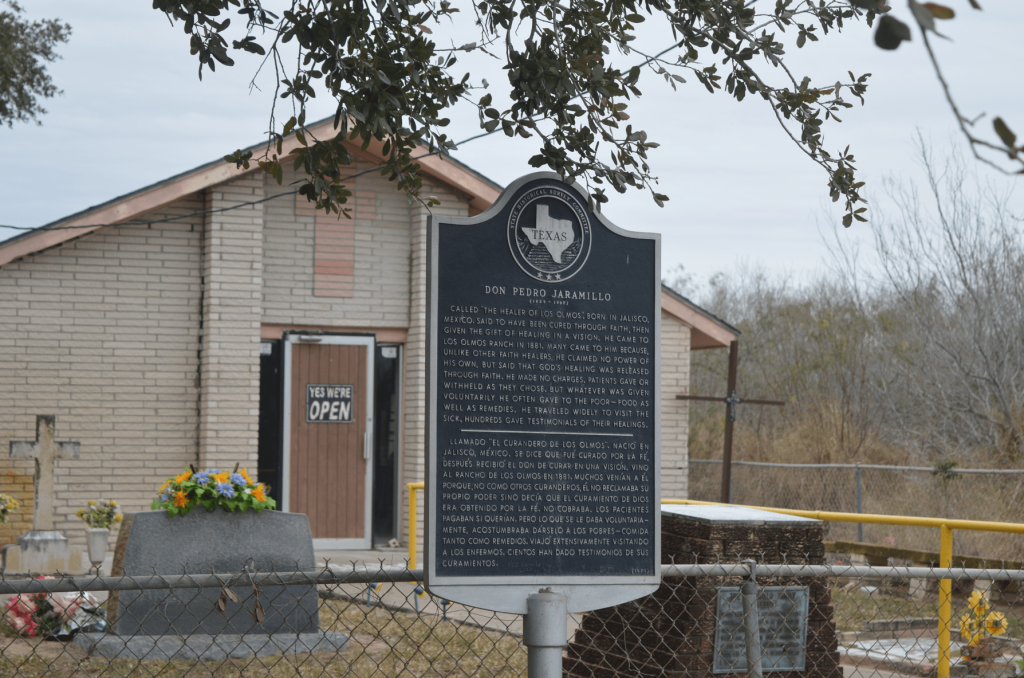
The outside of the Don Pedrito Jaramillo Shrine.

The shrine was similar to that of a church with a cemetery around it, but the real beauty came when we stepped inside the small chapel and came face-to-face with the legacy of Don Pedrito. A small, quaint room, filled with statues of Don Pedrito and Jesus, photos of loved ones who needed healing, a space for people to leave pictures of soldiers, and a small area set for candle lighting. Various kneeling pews were also scattered about the room, for use of any who wanted to, or needed to.

We had been laughing and joking on our way over, though when we entered the shrine it felt like everyone was quiet, likely out of respect for the area that we were in. It was comfortable, not a sad place, but rather a place of remembrance and further contemplation. I said a small prayer in my head before leaving, but who I was praying for I am still not certain, perhaps for the team, perhaps for the migrants, perhaps for Don Pedrito himself.
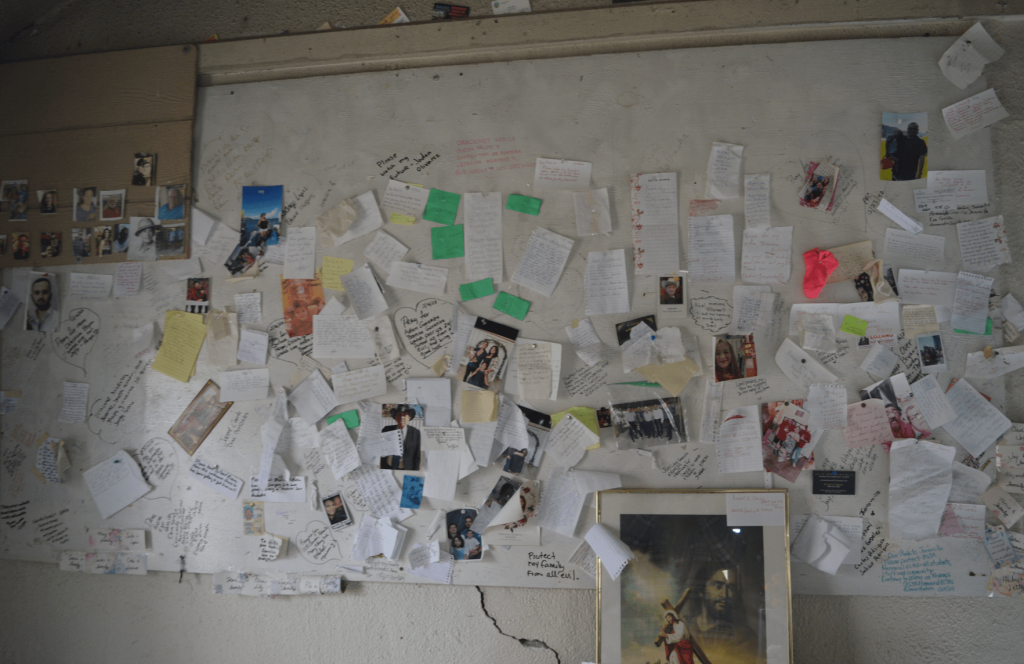
A wall decorated by those who visited the shrine.
A wall adorned by those who visited the shrine.
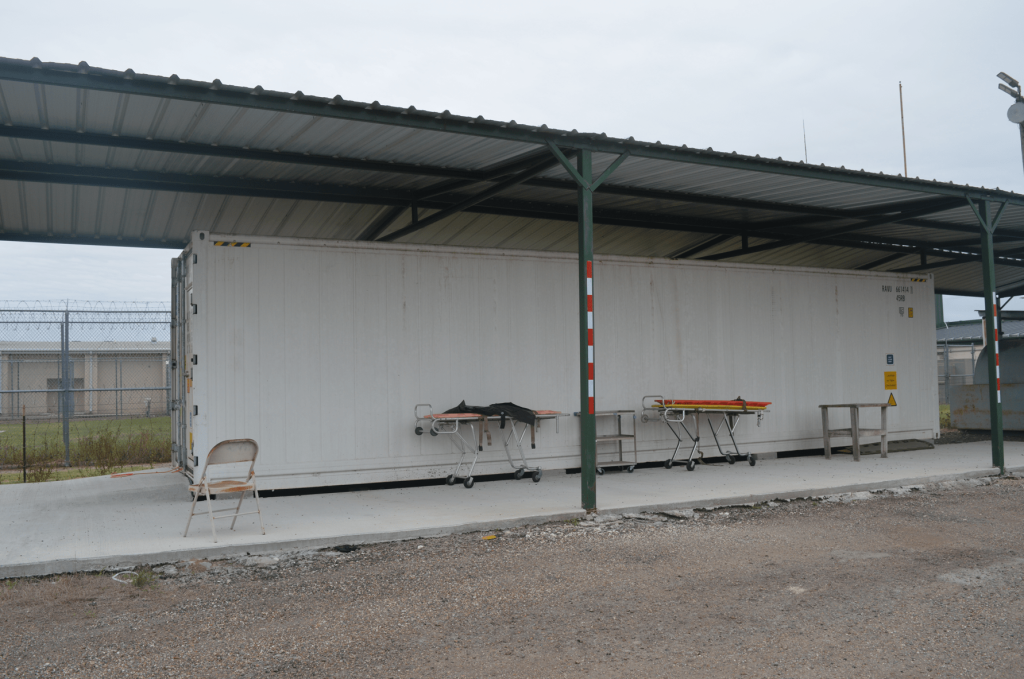
The outside of the morgue at the Falfurrias Detention Center.

After we left the shrine we headed straight to the morgue, little more than a temperature-controlled shipping container, a far cry from the morgues that we are used to both in Indiana as well as in our hometowns. But, as it was explained to us, this container is actually a luxury for areas like this: smaller counties currently dealing with large-scale caseloads. 

As we stood before the container, just after visiting the shrine, I was struck by how different yet connected the two felt. Both served as resting places: one, a permanent site lovingly adorned by those who remembered him; the other, a temporary shelter for unnamed individuals still awaiting their identities for remembrance. Despite their contrasting purposes, they were located just minutes apart.

Makenna

Back at our hotel, we were able to start packing our luggage. We piled all our leftover snacks to give Don and Ray and determined which animal bone souvenirs from the field we could cram into our suitcases. We piled in the car and made our last trip to our beloved HEB. We grabbed some side dishes, dessert, and Fritos for our homemade dinner with Don and Ray at La Copa North Ranch (I also purchased some Dramamine to prepare for our flights back home to Indiana tomorrow).
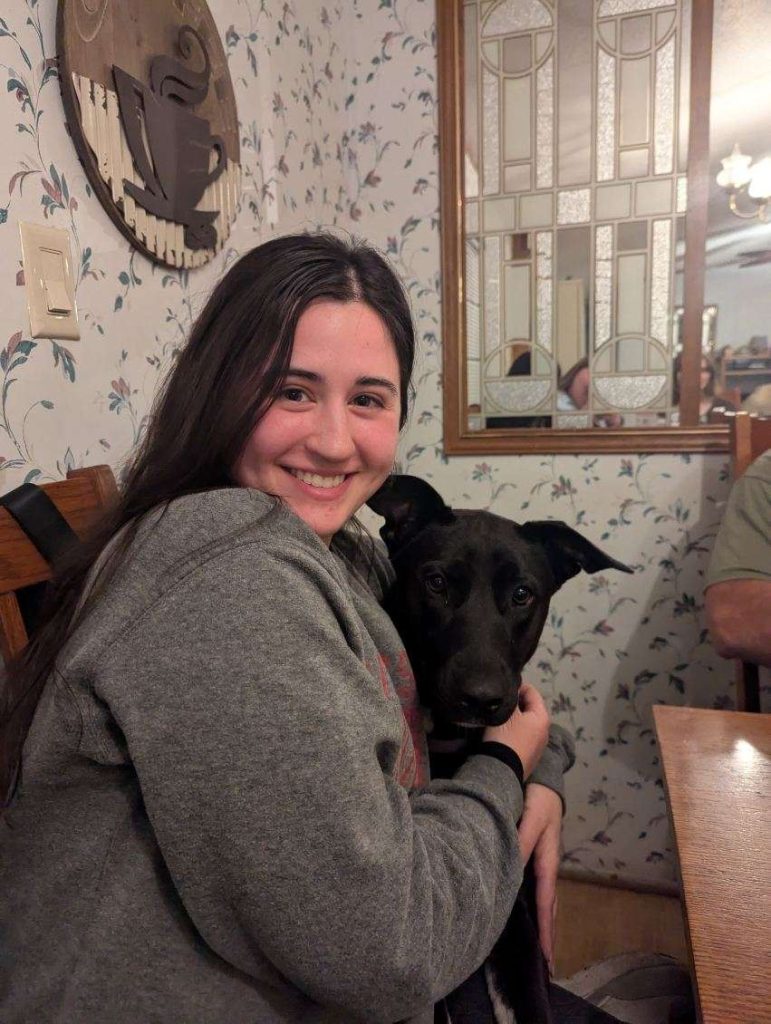
Frankey and Socks.
Frankey and Socks.

Don met us at the gate of La Copa to unlock it and we made our way inside ready for a classic Texas meal: Frito Pie and cornbread. Here we were able to catch a glimpse of Don and Ray in civilian clothes and it felt odd to see them out of their usual tan gear. Socks greeted us with jumps and plenty of kisses as we entered the trailer where Don and Ray stay.

The trip was nearing its end but we all felt like it only just began. All together for the last time, we reflected on our trip. What do we wish we had brought? What are things we learned? What memories will we never forget?

Listening to and laughing with Don, Ray, and my teammates has filled me with such joy and emotion. This trip has been absolutely life changing and I couldn’t have asked for a better group of people to share this experience with.

Chastidy

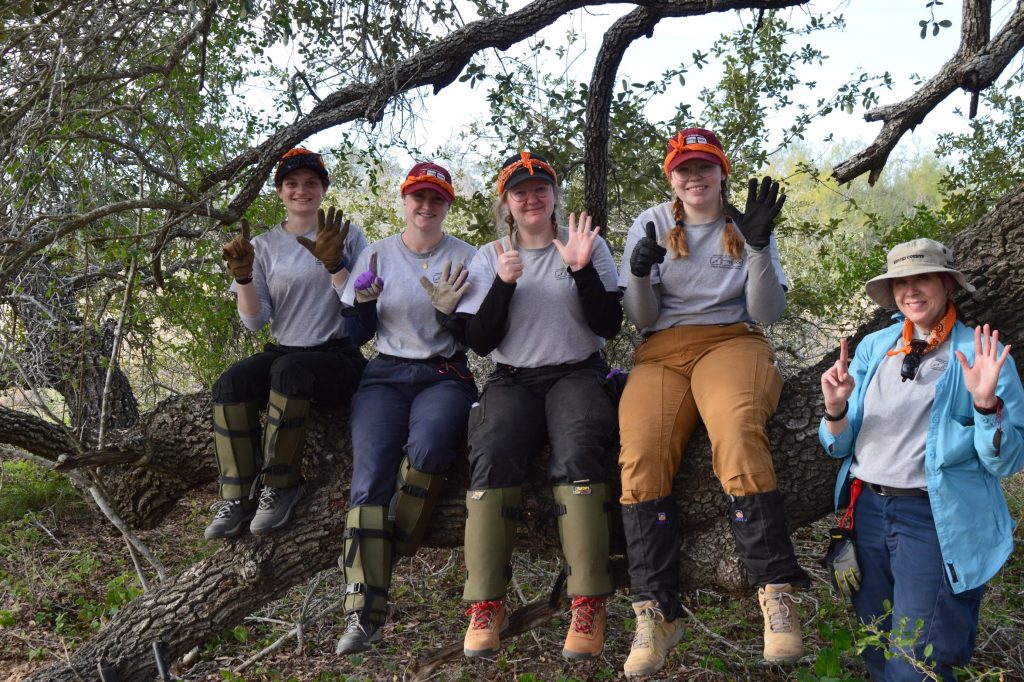
The 2025 Beyond Borders Team.

As we said our goodbyes and hugged at the edge of the ranch, we all held back tears. Even though we can’t be here all the time, this trip will stay with us forever.

Thank you to all of our faithful readers and wonderfully generous sponsors, donors, and supporters of the Beyond Borders Team.

Thank you to Deputy Sheriff Don White.

Thank you to Paramedic Ray Gregory.

Thank you to our wonderful advisors, Dr Krista Latham and Dr Amandine Eriksen.

Thank you Falfurrius, TX.

Until next time…
Frankey, Lilly, Makenna, Chastidy

After We Are Home

I’ve been home now for a little while, and everything seems out of place.  I was only gone for a week, but coming home to my apartment and seeing everything exactly how I left it before I headed to the airport felt very weird.  While the week went by fast it was so full of activity and new experiences that it felt more like a month than a week.  Before heading to Texas I had a lot of hopes and wants, but I don’t think I fully knew what I was in for.  I hoped that we would find someone and be able to do a recovery, I hoped that I would be able to handle the tough days full of walking in rough terrain, and I hoped that I would gain something from the trip that I wouldn’t be able to in other places.  Luckily all of my hopes came true, though not necessarily in the ways I expected.  We were able to make three recoveries, I definitely made it through all of our search days (though I was quite sore after a few of them), and I’ve learned so much from all of our experiences.  

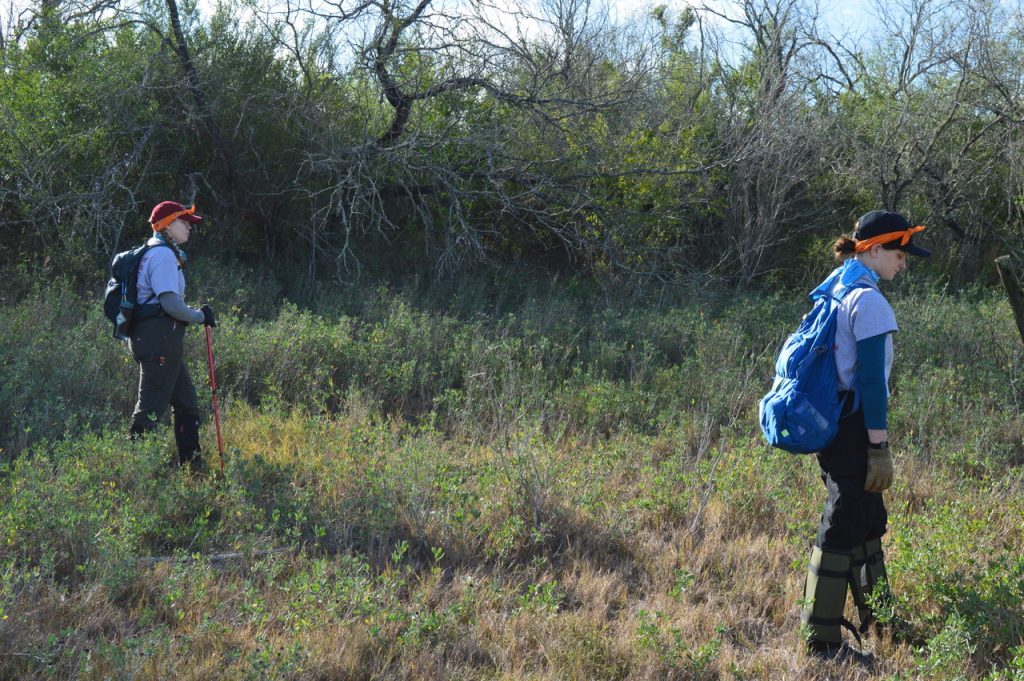
Two women with backpacks walking in grass covered area
Claire and Ella in Line Search Formation
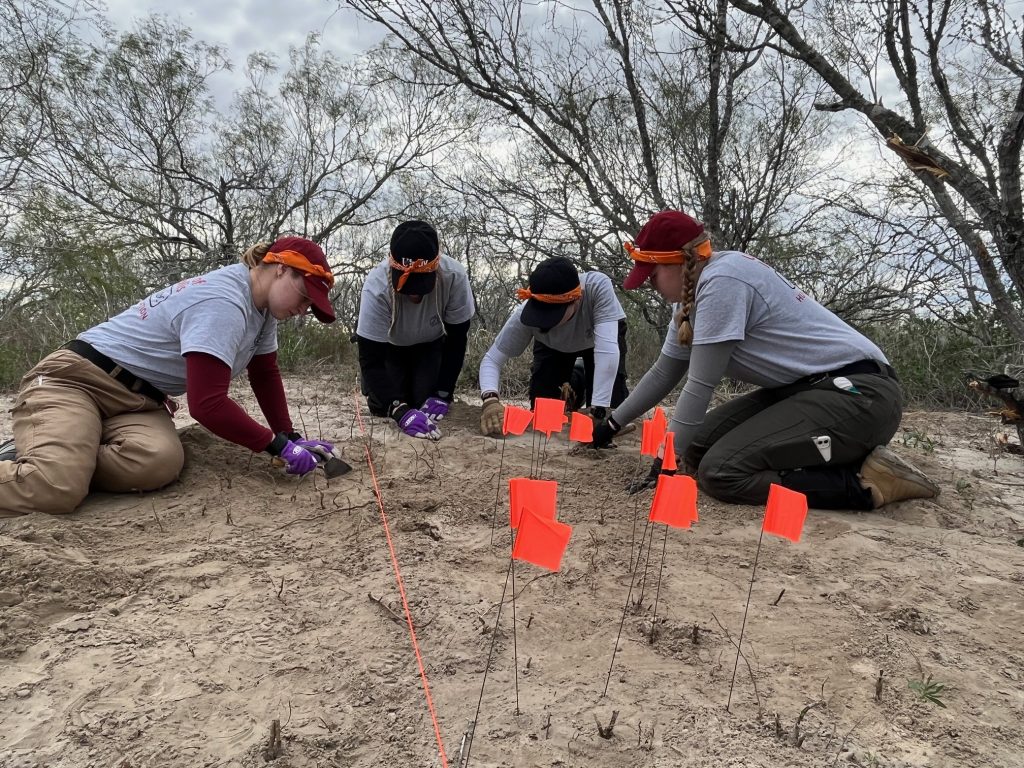
Hannah, Claire, Chastidy, and Ella clear dirt with trowels from an area
The team working to clear dirt from the search area

Going in I knew it was going to be tough, but I figured most of the difficulties would come from the physical work we would be doing.  Dr. Latham warned us about the emotional toll this work can have on people and while I was cognizant of this, I thought I would be able to deal with it more efficiently than I did.  While we were in Texas there isn’t much time to process what you are doing.  We wake up, go to breakfast, finish packing our field bags and then we’re out the door heading to our next location.  When we get done its shower time, dinner, a debrief with Dr. Latham and then looking through the pictures from the day and we’re off to bed.  It wasn’t until I got home and could finally lay down in my own bed that I really thought about what we had done this past week.  Three families will now have more closure, and be able to bury more of their relatives, even though we didn’t find every skeletal element we found more and impacted those three families in a positive way.  

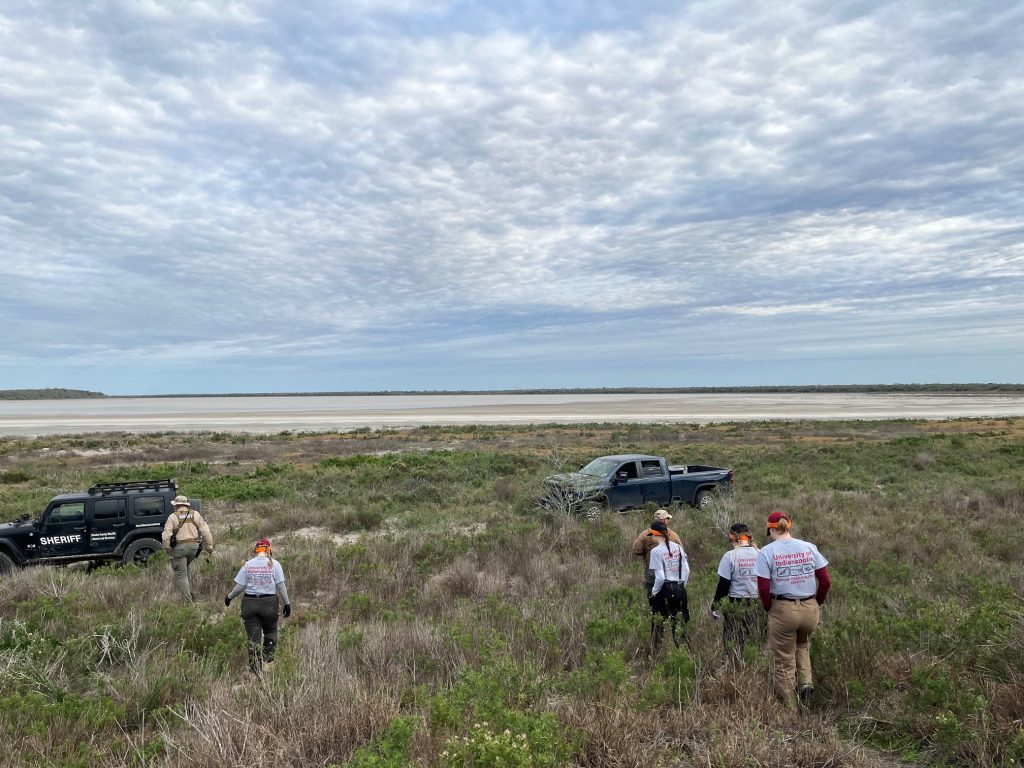
The unity team walking through grass back to the truck and jeep
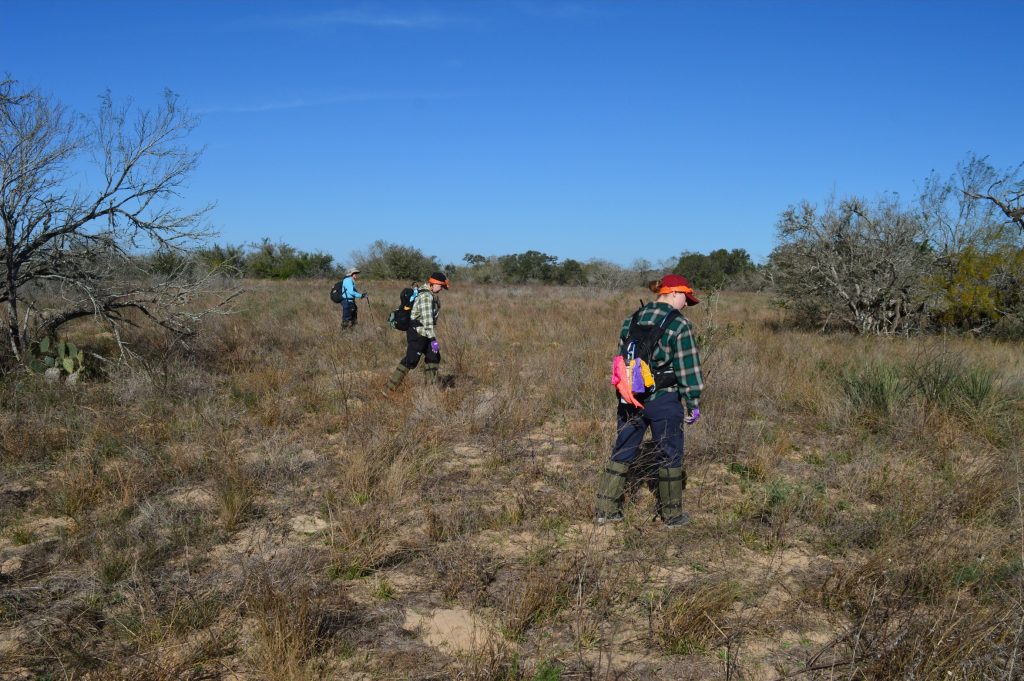
Heading back to the cars after a long day in the field
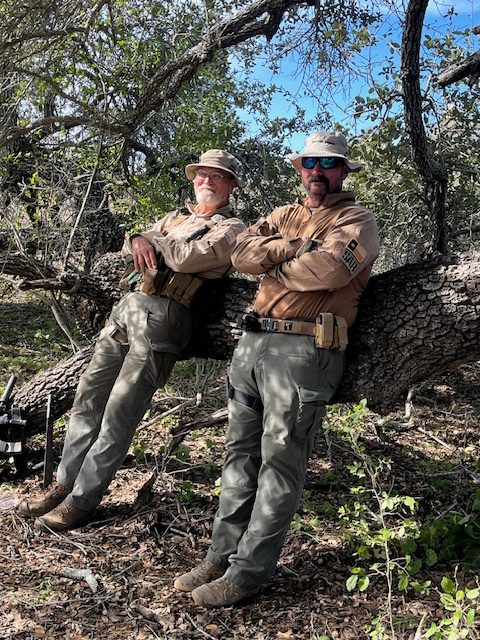
Ray and Don lean against a tree branch
Don and Ray supervising our work

Before I went to Texas I was thinking very selfishly.  I was hoping I would find something more so because then I could say I found something, and I wasn’t thinking about the impact it would have on others.  I was thinking it would be cool to go to a different state and get to see parts of their culture that I haven’t experienced.  Now that I’ve returned home, I think back to our trip to the Don Pedro Jaramillo shrine and reading the heartbreaking letters left for him, and finding socks out in the middle of the brush with little hearts on them or seeing your favorite snack wrappers littering the ground around a tree out in the middle of nowhere.  There are so many aspects of the trip that will stick with me forever, reminding me of how other people live and why we make the trip down to help.  I never would have guessed just how much work we would be able to accomplish in a week, and as tired as I am I would do it again in a heartbeat.  I’m so proud of my teammates and I for using our knowledge to do something good and productive, and I’m incredibly grateful to have gotten to work with Ray and Don who taught us so much, not only about the work we were doing but about how to be a good person and to use your skills to help others.  I’ll never forget our hotel breakfast meetings, flying an infrared drone on the side of the road, playing with Socks during our water breaks and getting teased by Ray and Don.  Most of all, I’ll always remember the work we did and what we were able to accomplish together.  

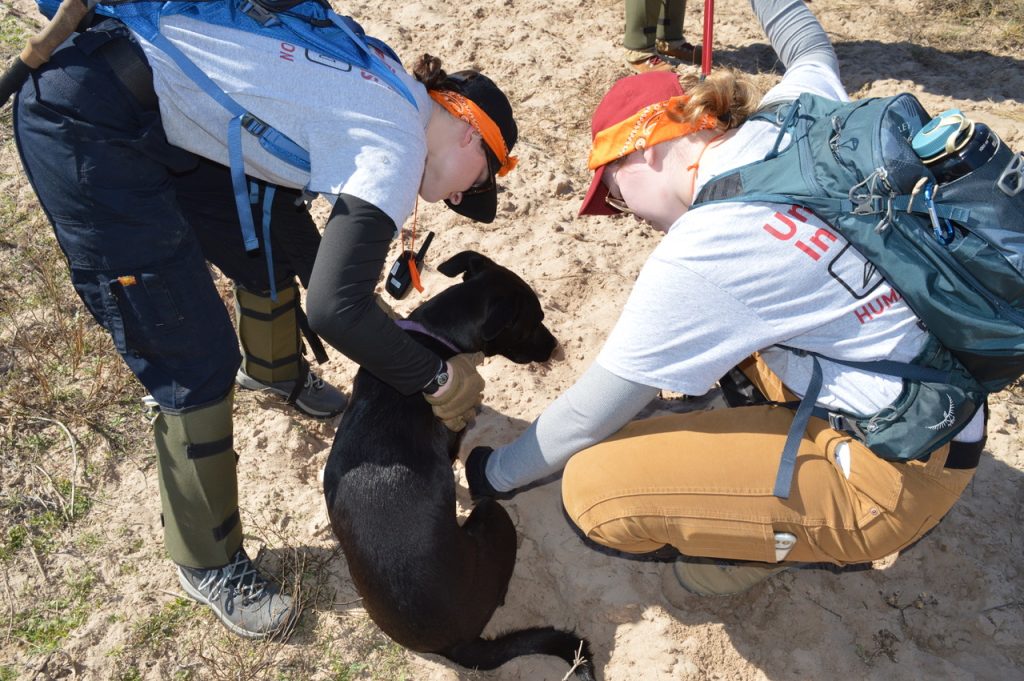
Taking a break to give some pets to Socks.
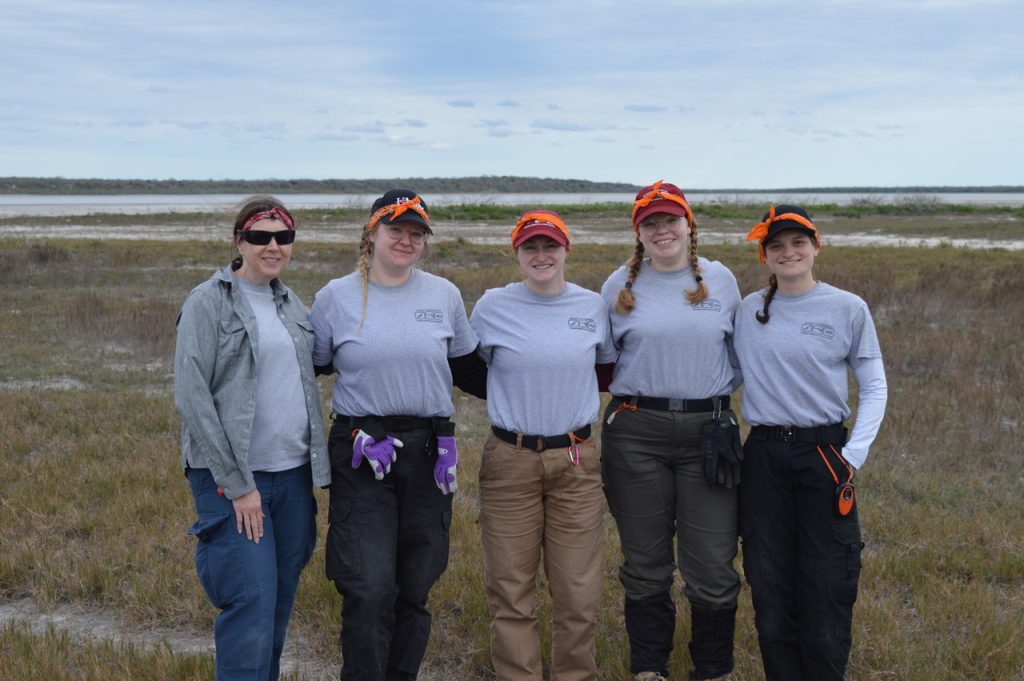
Five women stand next to each other in a field
2024 UIndy Beyond Borders team

Ella

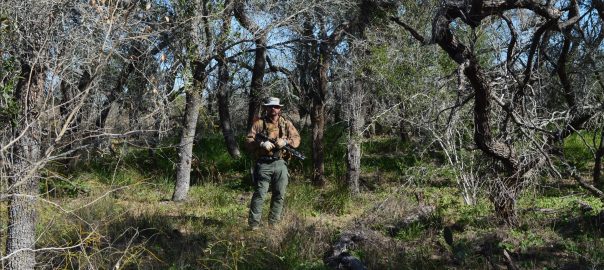
Ray in the midst of a mass of trees search with the UIndy Beyond Borders Team.

Day 6: Recoveries, Records, and Reflections

6:30 AM. The morning alarm goes off and we began our final day in the field. After two consecutive days of recoveries, our bodies were sore but we got up to start the day. `As we sat and ate our breakfast, I started to reflect on our time down here in Brooks County and how we can make the most of this last day. With everything packed in our field bags and full stomachs, we set off to La Copa North to meet up with Don and Ray

Tall game fence on a ranch damaged from migrants climbing and bending the wires.

Today we traveled to a ranch much further south than the ones we searched previously this week. On the drive, we got to see and learn more about Falfurrias and the neighboring town, Encino. The main industry of Brooks County was oil but it has since slowed and work moved out of the area. This is evidenced by abandoned oil derricks and gas stations all along Highway 281. As we’ve seen in other areas, there were many fences damaged. Many of the ones seen today are “game” fences. These are 8-foot tall fences made of barbed wire, used to keep animals on the ranch they come from. You can see where migrants stepped on each strand to climb and cross further into Brooks County. According to Don, most ranchers don’t bother replacing these game fences, especially after the COVID-19 pandemic. After the pandemic, game fences became 4 or 5 times more expensive than what they were. Along our drive, we passed a previously busted “stash house”. These small trailers or structures are used to store migrants being trafficked across the border during the day or until they are transferred or transported. The evidence of this billion-dollar illegal industry permeates Brooks County and can be seen everywhere.

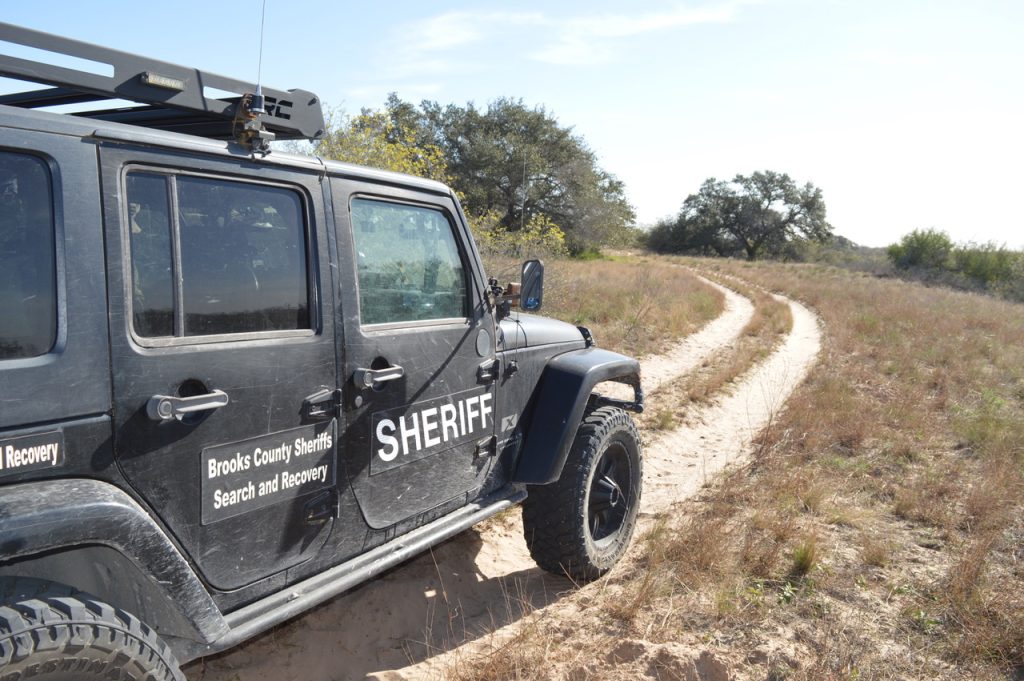
Don's Jeep 4-wheeling on a sand dirt road on the ranch.
Don’s Jeep 4-wheeling on a sand dirt road on the ranch.

After an hour’s drive, we finally got to the gate of the ranch we will be searching. Although previously arranged with the ranch manager, the gate to the ranch was locked and the codes and keys Don had gotten for that ranch did not work for the new padlocks on the gate. While trying to find an alternate path, I asked Don why ranches replace their locks or sometimes entire gates. Until now, I had wrongfully assumed that trafficking into the United States was always done on foot and led to a pickup spot. It is not uncommon for coyotes (a person who is paid to smuggle immigrants across the Texas-Mexico border) to use vehicles such as trucks to transport migrants faster. To do this, the driver will smash through or cut through fences and gates in order to get their truck in. Ranchers in this instance must replace those to keep game from getting outside and prevent trespassers inside. This was the case at the ranch we searched today. After many attempts to call in an area with nearly no cell signal, we finally got the code for the locks and entered the ranch. 

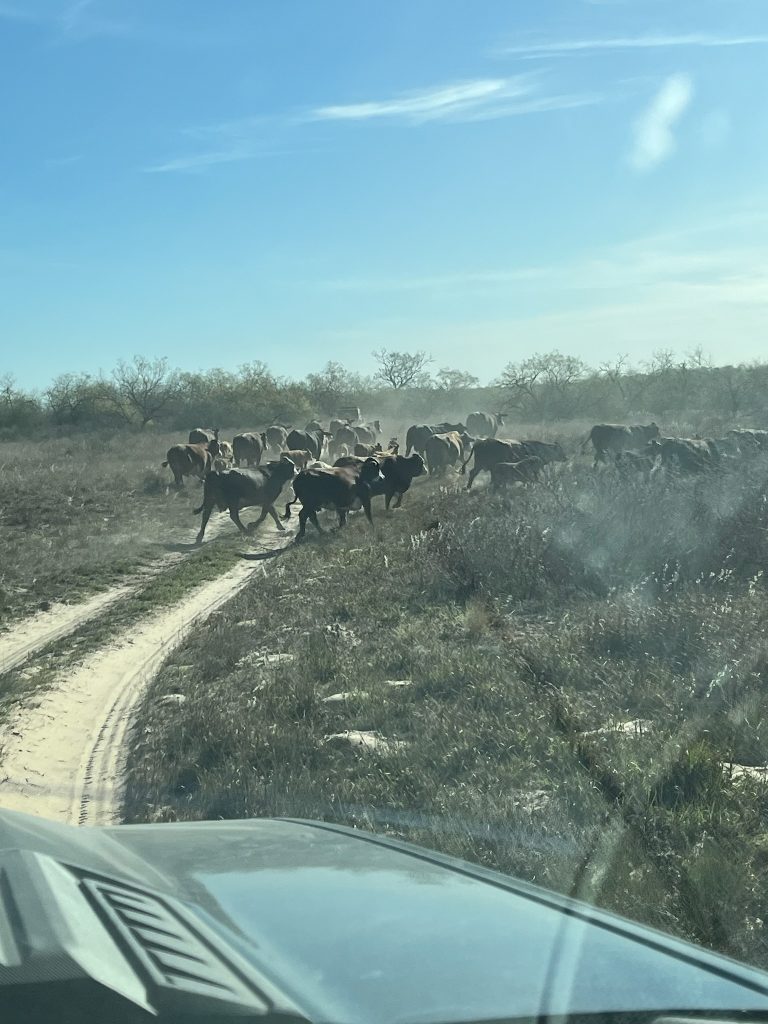
Herd of cows following behind our vehicles as we drive through the ranch.
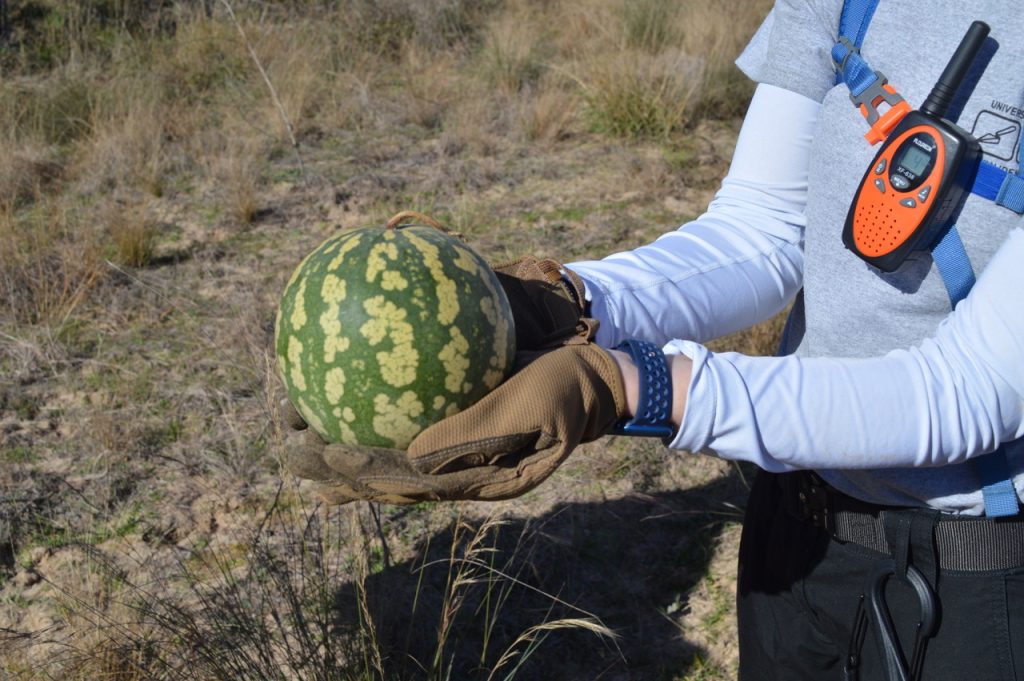
Large wild cucumber found in the environment of South Texas.

Driving through the ranch we were able to see close up the fauna of the area including a herd of cows chasing the Jeep and a massive wild hog running out in front of us. The area we would be searching was one in which Don had recovered a single cranium under a massive tree. According to Dr. Latham’s previous experience, it is not uncommon for an individual’s head to be placed within a tree so that it can be discovered. This could be done by other migrants or farmhands. It has been noted as a sign of respect that the face be pointing south. The way this element was found has led Don to believe this was not the case in this instance. We began our search by combing the area surrounding the tree the element was recovered from. After a brief search under the tree, we noticed tons of leaf litter covering the ground making it hard to see any scattered elements. After a few more searches out in the brush, we had come up with nothing other than wild cucumbers. After a hunch from Don that there was something still under the tree, we returned to do a more in-depth search. We located where the cranium was found and began to rake through the dead leaves and twigs around that area. Once we got to the dirt we proceeded to dig a few centimeters lower to see if any elements had been buried by the Texas winds. After some searching, we finally discovered an element. A single scapula approximately 5 feet from where the cranium was found. This discovery marked a new record for the Beyond Borders team: three recoveries with Remote Wildlands Search and Recovery within the same trip to Brooks County! After setting a new record we were presented with a title to our trip by Don and Ray: Operation Rebound. Finding this elements reinvigorated us to keep searching hoping to find more of the many missing bones of this individual. The searching was broken up by water breaks entertained by fetch with Socks and watching Ray and Don chopping down branches to clear the work area. After many hours of combing through litter and expanding further and further outward, we were instructed to conclude our search. Unlike our recoveries from the previous two days, we only found one element. Although disappointing, we had to understand that because of the work we did today, the family of the deceased individual can have more of their loved one returned. It is a harsh reality that many of the individuals recovered from the borderlands are not fully complete due to the animals and harsh environment. Even after two searches the most we could return was ~14% of the entire individual. With how important it is in Hispanic culture that their loved ones are together entirely, this instance is especially hard for me to come to terms with. I can not imagine the pain one’s family experiences when their loved one goes missing, has passed, and not all of them are able to be returned. This is the reality for so many families every year.

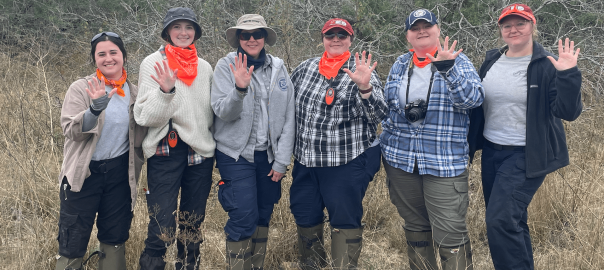
UIndy Beyond Borders Team day 6 photo in the field.
Using a line search to try and find missing elements scattered in the surrounding area.

We took our final day photo and some extra photos with our guide Don, and Ray, our medic… kinda (according to a patch on his backpack). We gathered our things and took a last look around the ranch and area. While searching the ground, I couldn’t help but marvel at the fact these ranches are so confoundingly massive. Being from the northeast where everyone is relatively close, the phenomenon that someone could have so much while other people have so little is odd to me. Furthermore, these thousands of acres of land hold evidence of the perilous journey that hundreds of thousands of migrants face. Without someone like Don, who has dedicated his life to solely searching the borderlands, families may never have had their questions answered and missing loved ones found and returned. For the last time, we loaded into Don’s jeep and Ray’s truck. While riding with Don I get to listen to tons of heart-wrenching stories about the people he’s recovered or instances where migrants have asked for help. The insight and information he shared has truly exposed me to the cruelty of the trafficking industry and how desperate those crossing into the US can be to escape. The depravity of coyotes can depend on whether they are paid before or after the trip. Those paid before could inflict grueling traveling conditions, abuse those they traffic, and even completely abandon the group in the wilderness to survive and travel on their own. Those paid after are more likely to take better care of their group as they get paid by them bringing everyone who paid. The unfortunate fact, though, is that migrants are at the mercy of whatever coyote they meet on their way to the border and this decision can be the factor between life and death. 

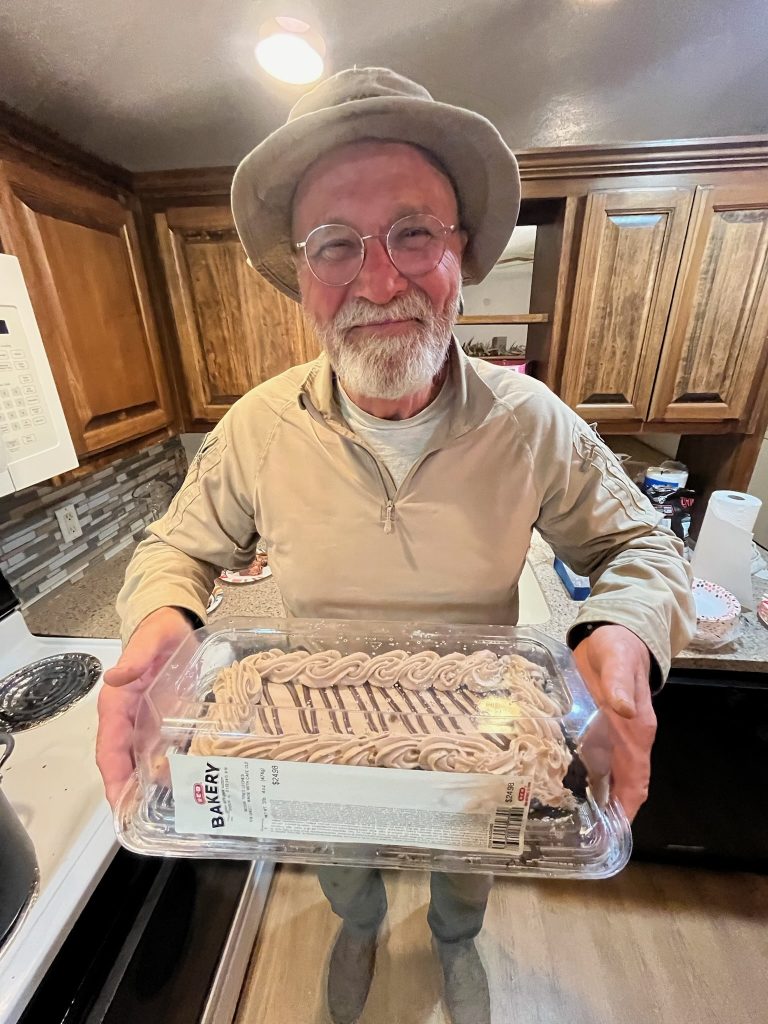
Don ready to break out the Très Leches cake.

On the hour ride back, Socks falls asleep on Don’s lap. I had time to reflect on all the good Don has done down here in Brooks County. He tells me his work down here is a thankless job. Families of loved ones won’t know his name and that he found and recovered their loved one. The job he does is not a monetary one, so what motivates him to keep going with searching? His answer is simply the satisfaction of knowing that, because of what he’s done, an individual can be reunited with their family to be properly honored. I aspire to make even half the difference that Don and his colleagues in Remote Wildlands Search and Recovery do.

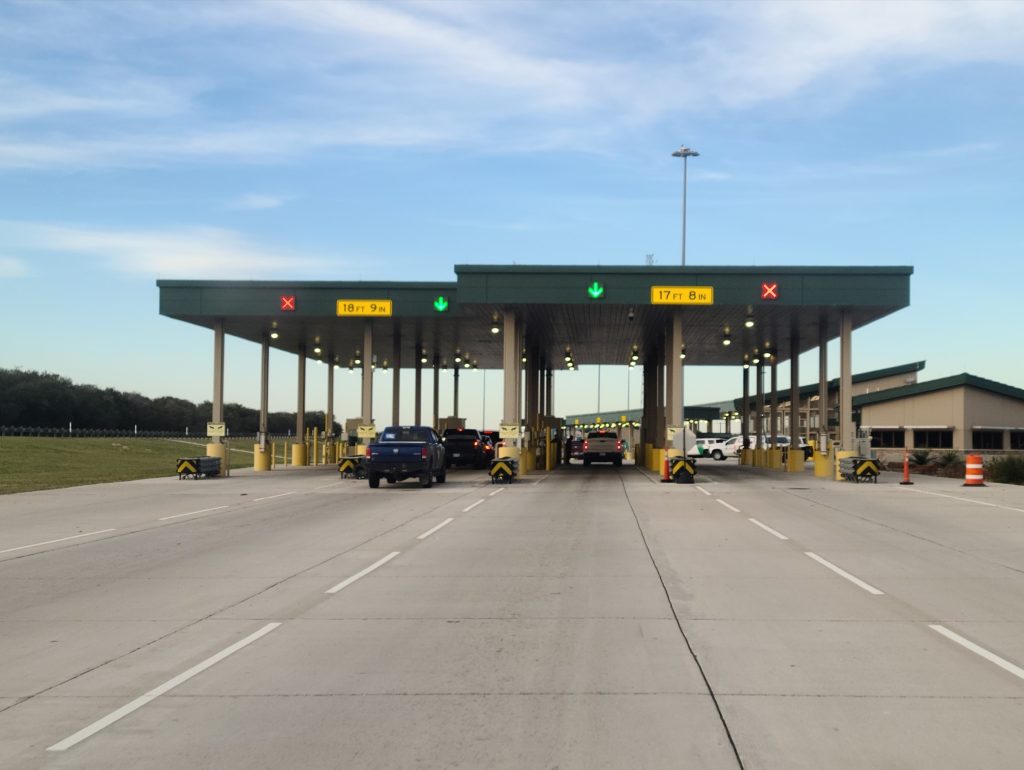
US Border Patrol Checkpoint located in Falfurrias, Brooks County, TX.
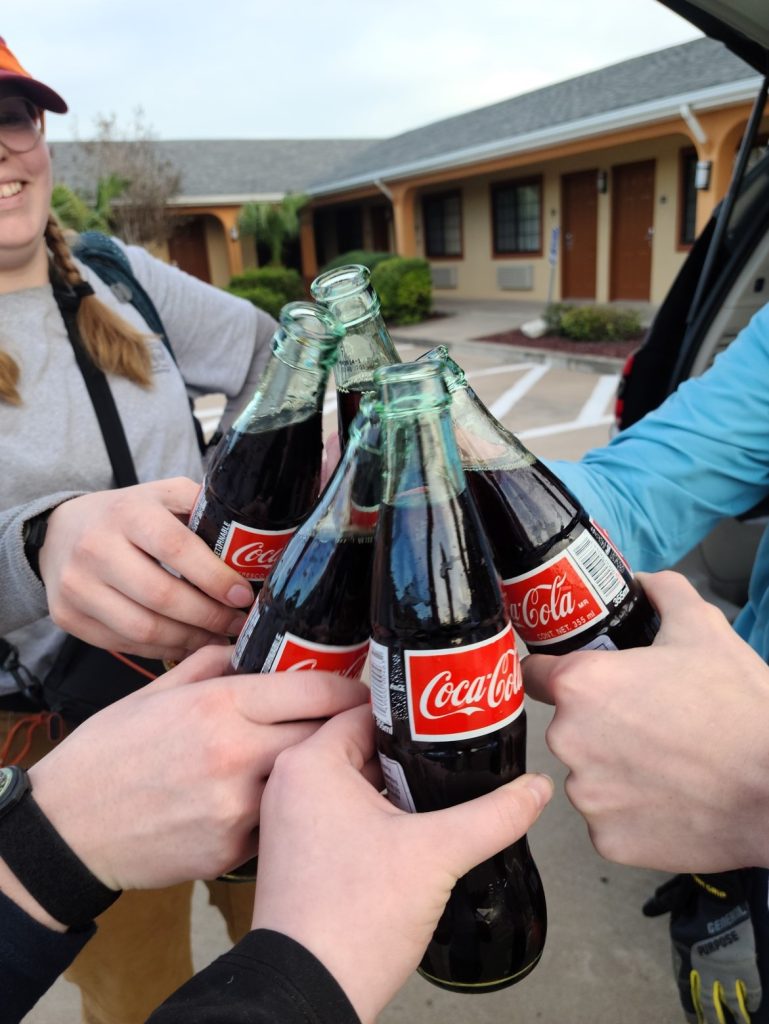
Toasting our authentic Mexican cokes celebrating our last day in the field.

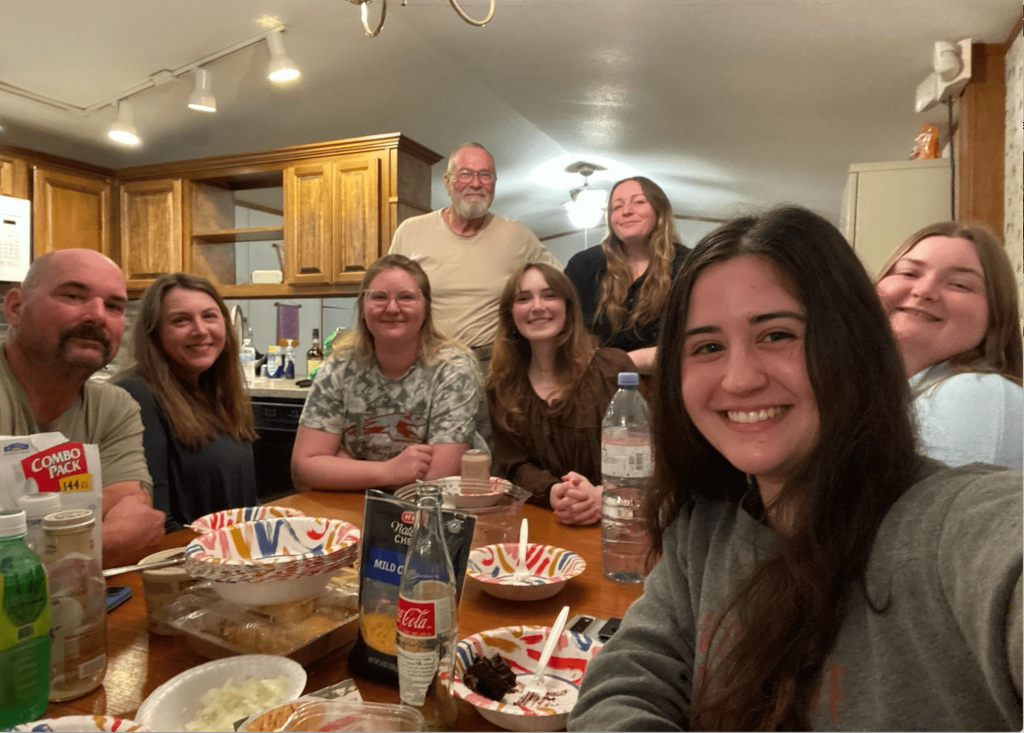
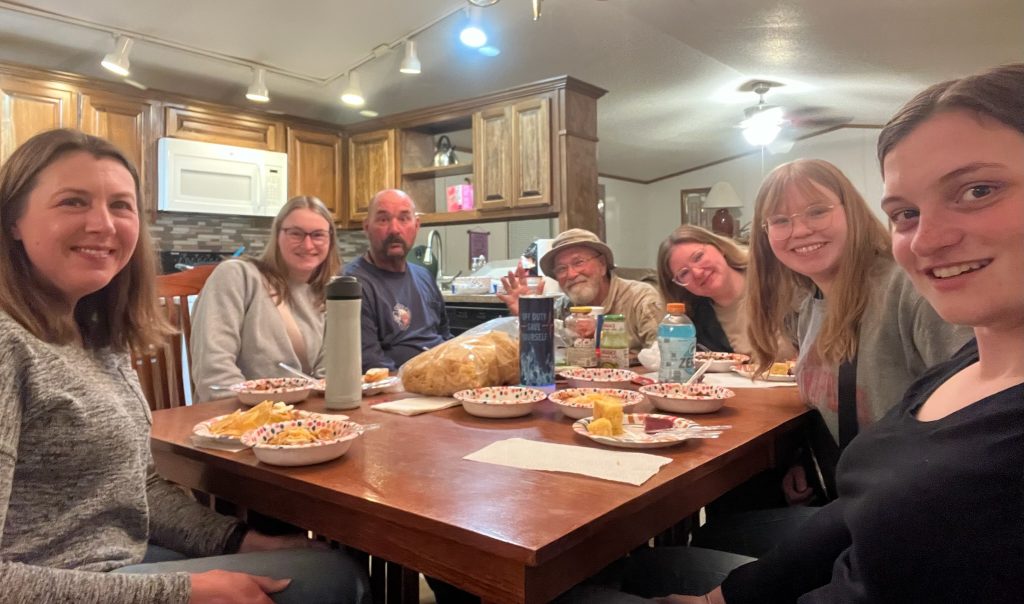
On our way, we passed through the US Border Patrol Checkpoint which is the largest interior checkpointin the US. One at a time vehicles pull up to be inspected and either let through or pulled and questioned further. Interestingly, no facility exists on the stretch of road going south, only on the highway traveling north. We arrive at our meeting place, dismount the vehicles, and get back in the van to head back to the hotel. We have a quick toast of our authentic Mexican cokes in the parking lot to celebrate a job well done and all the accomplishments we’ve made. We spend the next hours bonding together in picking ticks off both our clothes and skin. We quickly made a final stop at HEB where we grabbed some snacks and dessert for a home-cooked team dinner at the La Copa North Ranch, made by Ray. We enjoyed a Texas staple, Frito Pie, as well as venison and cornbread. Over a piece of Très Leches cake, we discussed our thoughts on the trip, what we expected, and what we will do in the future. After a few goodbye pets to the best doggo Socks and hugs to Don and Ray, we pull out in our trusty minivan to spend a final night at the hotel.

Team dinner at the La Copa North Ranch with Don and Ray.

Our suitcases packed, we prepare to return home to Indianapolis. The memories we’ve made, friendships we’ve developed, and things we’ve learned first-hand are invaluable and will stick with us for years to come. This mission to Brooks County has been one of the most formative experiences I have ever had the privilege to participate in. I thank everyone who had a hand in opening us up to the realities and work involved in the human rights crisis along the Texas-Mexico border.

Chastidy