All posts by lathamke

Dignity of the Dead

In addition to packing, I am also spending the evening reading the “Protocol Development for the Standardization of Identification and Examination of UBC Bodies Along the U.S.-Mexico Border: A Best Practices Manual”.  These suggested best practices were adopted by Texas last week and provide an outline for the recovery and identification of unidentified migrants.  Part of our trip back to Falfurrias includes a training session on forensic archeology for local law enforcement, which is suggested in the manual. “All entities involved in the recovery of UBC remains should introduce basic training programs and instruction on different aspects of evidence collection, including recovery techniques.”

While the manual contains basic information on proper protocol, it is also laden with reminders of the seriousness of the situation. The fact that these counties are “faced with disaster-scale death numbers” that would stretch the resources of any county in the US.  A reminder of the high death toll of this humanitarian crisis.
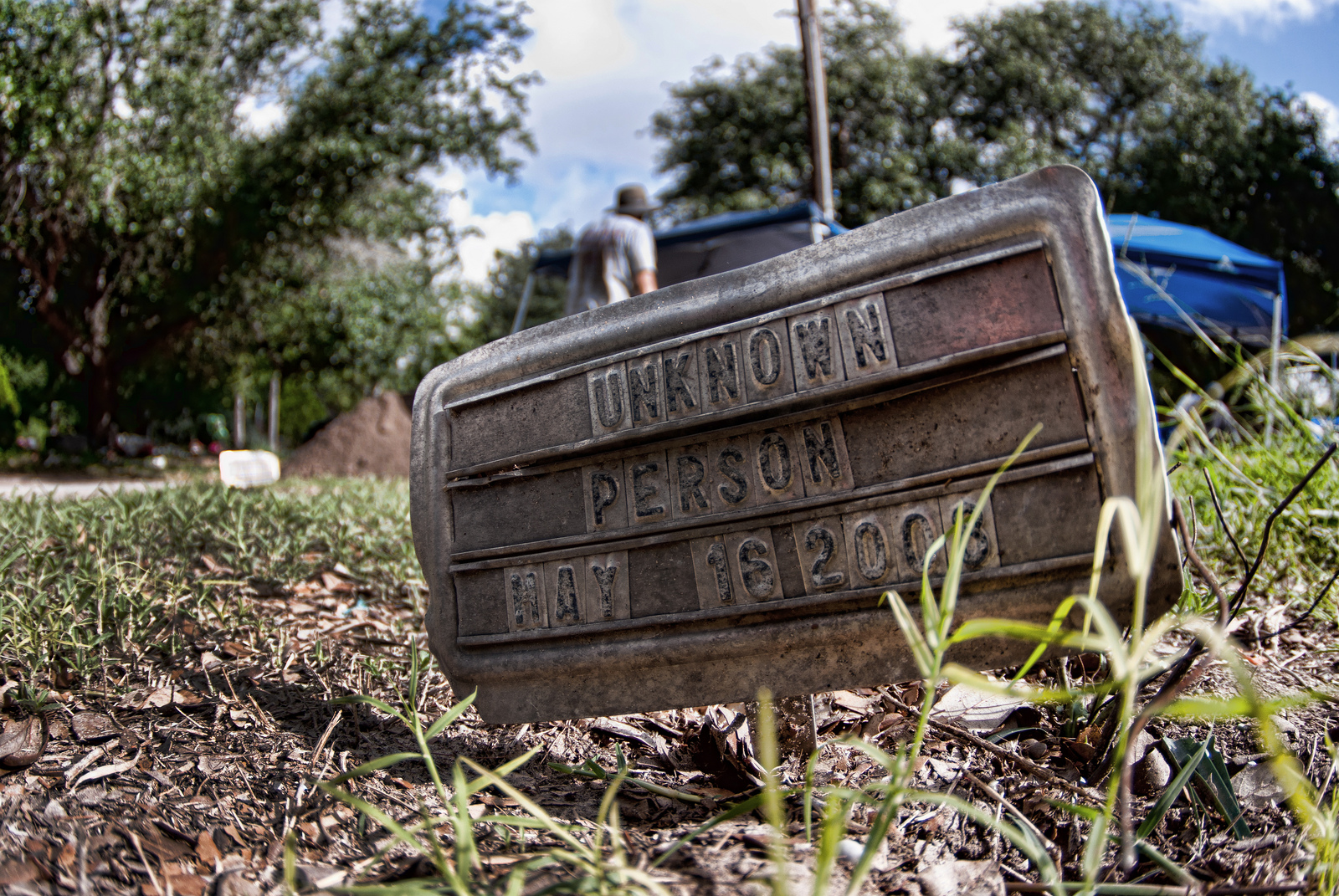

Burial marker with "unknown person May 16 2008" on it

The manual also puts a face on the crisis by reminding us that a basic human right includes the expectation that every family should have the opportunity to participate in the decision making process for the disposition of the remains of their loved one.  It reminds me that when people ask me “Why do you…”, “Why don’t you…”, or “Maybe you should…” that I should refer them to the internationally held principle that unidentified remains should be available for families to reclaim.  That there are international requirements for the treatment of the dead. That the 1949 Geneva Convention suggests proper and respectful treatment of the dead including honorable interment and the avoidance of cremation unless imperative for reasons of hygiene.  It reminds us that “For families of the missing, grief may be unresolved for long periods of time, when they do not know what has happened to their loved one. With this in mind, nothing should be done to make this process more difficult for a grieving family.” It’s a reminder that you cannot expect a certain level of respect for you and your family during a difficult process like this unless you extend the same basic level of respect for others.

We feel honored to be invited to Brooks County to conduct a training session. Our work to date has been uncovering the past as an effort to identify those buried without a name. This portion of our trip will contribute to the future of identification efforts.  Part of the training will include understanding the difference between human and nonhuman bone. Wish us luck as we carry the bones used for this portion of training (none are human) in a suitcase through the airport! I have all the documentation needed to show them who we are and what we are doing. But it should still be interesting!

~KEL
The Mystery of Case 0425

As the UIndy team prepares for another field season in South Texas, the June issue of Scientific American will include a story called “The Mystery of Case 0425”.   The story features the collaborative efforts of many agencies in getting the first positive identification of a migrant buried at Sacred Heart Cemetery.  The article is written by our friend Ananda Rose, who visited the cemetery when we were conducting the exhumations there last summer. She highlights the journey of Maria Albertina Iraheta Guardado, a 37 year old Honduran woman who left the violence of her home town in the hopes of providing a future for her six children.  She crossed the border and 2012 and her family has been searching for answers ever since.

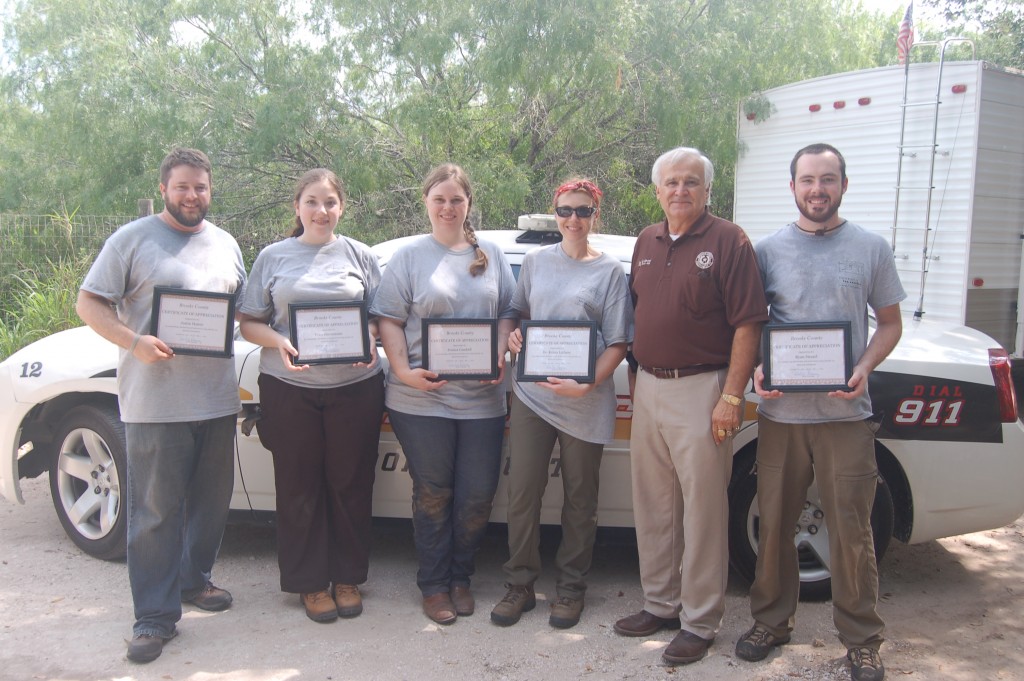
The beyond borders team with Brooks County Judge Ramirez while holding up Certificates of Appreciation from Brooks County

In 2013, The UIndy team exhumed a burial that would be called Case 0425.  We exhumed many burials over the past few years, but this one is significant in many ways.  On May 24 the UIndy team was in the processes of uncovering Case 0425 when we were asked to take a break by Brooks County Judge Ramirez.  He presented the five UIndy team members with a Certificate of Appreciation for “outstanding contribution and dedication to help identify our deceased migrants”.  It was unexpected and truly appreciated.  It is an honor that we will never forget, and Case 0425 will forever be a part of that memory.

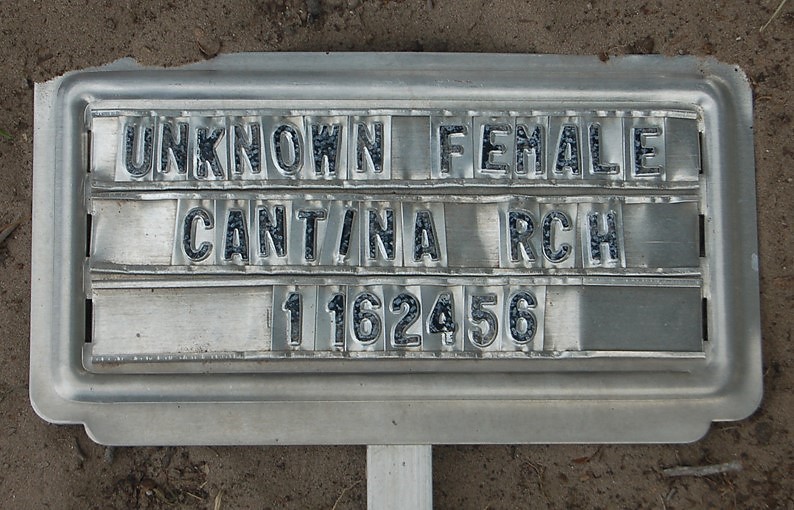
Metal burial marker stating "Unknown Female Cantina RCH 1162456"

Case 0425 then became the first identification from the Sacred Heart Cemetery, made possible only by a huge collaborative effort.  Maria left Honduras to escape violence and high homicide rates, only to perish on her way to a better life.  She was buried without a name in the cemetery.  Five team members from the University of Indianapolis slowly and meticulously exhumed her remains, which were later transported to Texas State University for analysis.  While there, Dr. Kate Spradley and her student volunteers completed a thorough skeletal analysis, took samples for DNA comparisons and entered her information into the NamUs database with the hope of finding a possible match for the unidentified woman.  With assistance from the Colibrí Center for Human Rights and the Argentine Forensic Anthropology Team, Maria was identified and returned home to her parents and children.

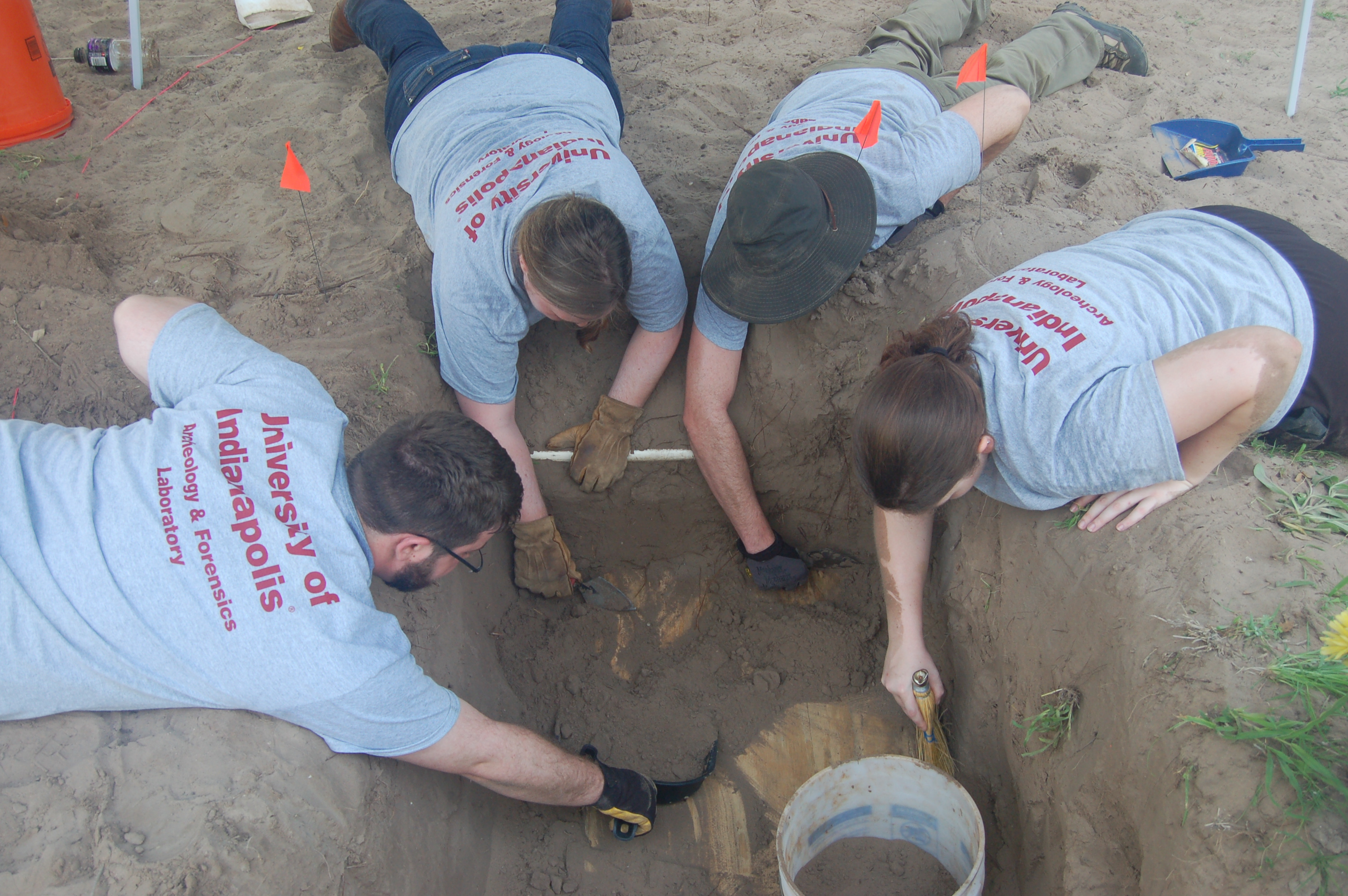
Beyond borders members with trowels and other tools reaching into a burial from where they lay on the ground surface.

The UIndy team recently learned that a photo of the team exhuming Case 0425 was the inspiration for the not yet released logo for the Texas State University Operation Identification initiative.  They didn’t know the case number associated with the photo, so choosing the uncovering of Maria (their first identification) was not purposeful on their part.  But we think that somehow it wasn’t random.  The message embodied by the logo is one of collaboration between those striving to identify the migrants that perished in search of a better life, an effort witnessed in the identification of Case 0425 as Maria.  It seems no accident that Maria was the inspiration and will be remembered forever in the representation of the identification initiative.

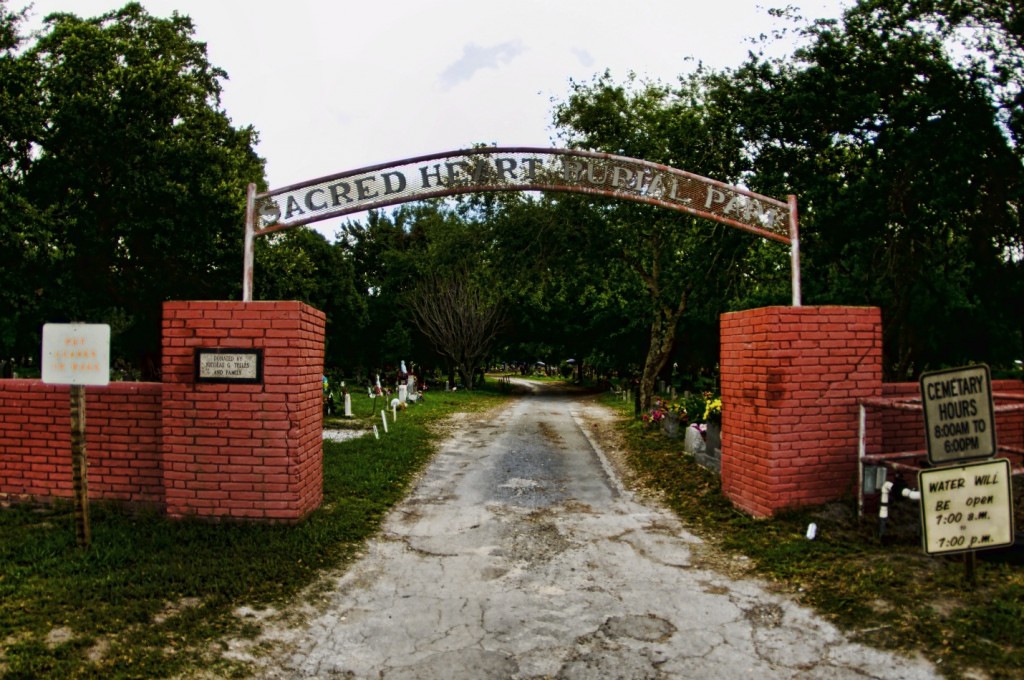
Sacred Heart entrance sign (white iron in red brick walls on either side of a road entering the area)

For all of these reasons Maria Albertina Iraheta Guardado holds a very special place in our hearts. Her identification gives us hope that she will be the first of hundreds of identifications from Brooks County.  Her memory remains not only in the hearts of her friends and family but also in those that worked diligently to give her name and send her home.

We will be returning to South Texas on June 8 and will be posting daily blogs while in the field. Please visit our blog daily for updates on our work, our progress and our struggles.  We are volunteers working with others to identify hundreds of individuals buried without a name.  Our ability to continue this work is based on your generous donations. Please read about our work here and please share the information to bring awareness to this humanitarian crisis.

~KEL

The Journey

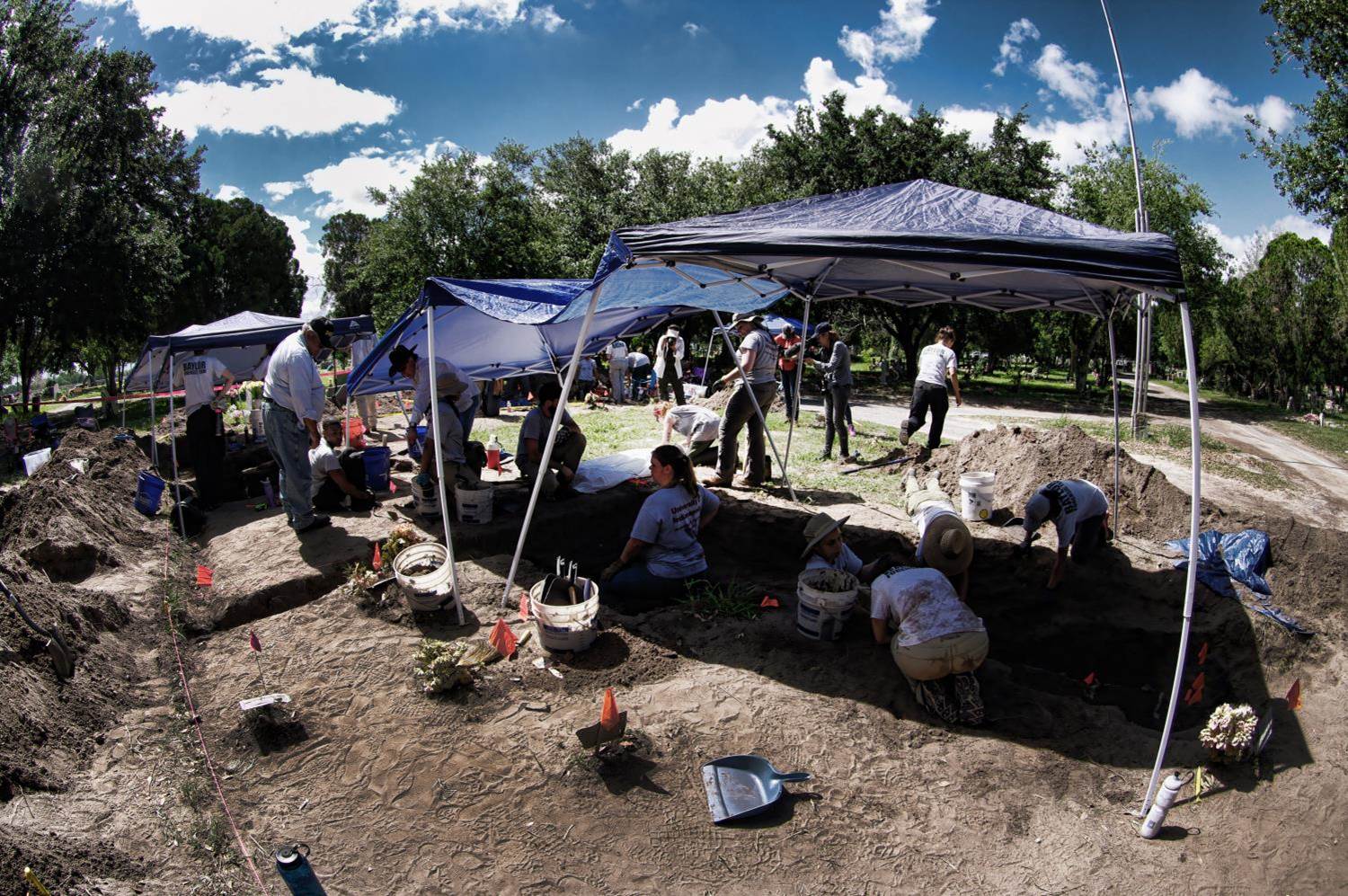
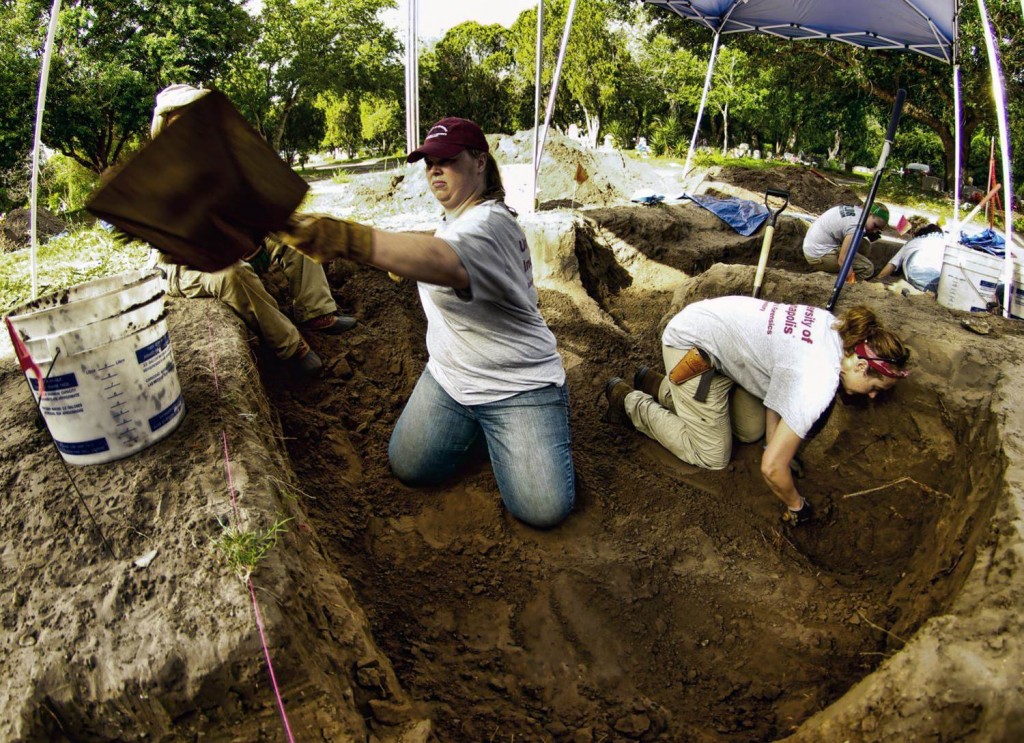
team members working in multiple burials under a tent, scooping out dirt with shovels into buckets on the ground level. Others using trowels and more tools around on the ground level

When first asked by the University of Indianapolis to write a daily blog regarding our work in Falfurrias, the initial thought was “no”.  Entries from and about us would make this issue about us and it’s not.  After several thoughtful conversations we, as a team, decided the best way we can bring awareness to the humanitarian crisis on the border is to bring you, the reader, into our daily experiences in Falfurrias. We decided that while this is about the journey of the migrants who perished in Brooks County and were buried at Sacred Heart, our participation in their exhumation and eventual identification makes us part of their story.  Essentially our journey is part of their journey.

Justin and Ryan standing in a burial using shovels to scoop out burial fill

As we sat in a classroom over 1200 miles away from Sacred Heart Cemetery this seemed like the most appropriate and most thoughtful decision.  However, it is so much more than we ever anticipated. Our journey is part of their journey not only in the forensic archeology that detected and recovered their remains from the earth. Our journey is part of their journey not only in the forensic anthropology we use to begin the identification process. But our journey is also the realization that every word we speak and every blog we post is potentially part of a hotbed of political controversy over immigration issues. That our best intentions can be twisted and our words cherry picked to meet an agenda. That our sincere love for a community and investment in a just cause can be jeopardized by our best intentions.  Yet we continue because we know in the end we are only a small part of their story and this is about them, and about finding solutions to address these preventable deaths.

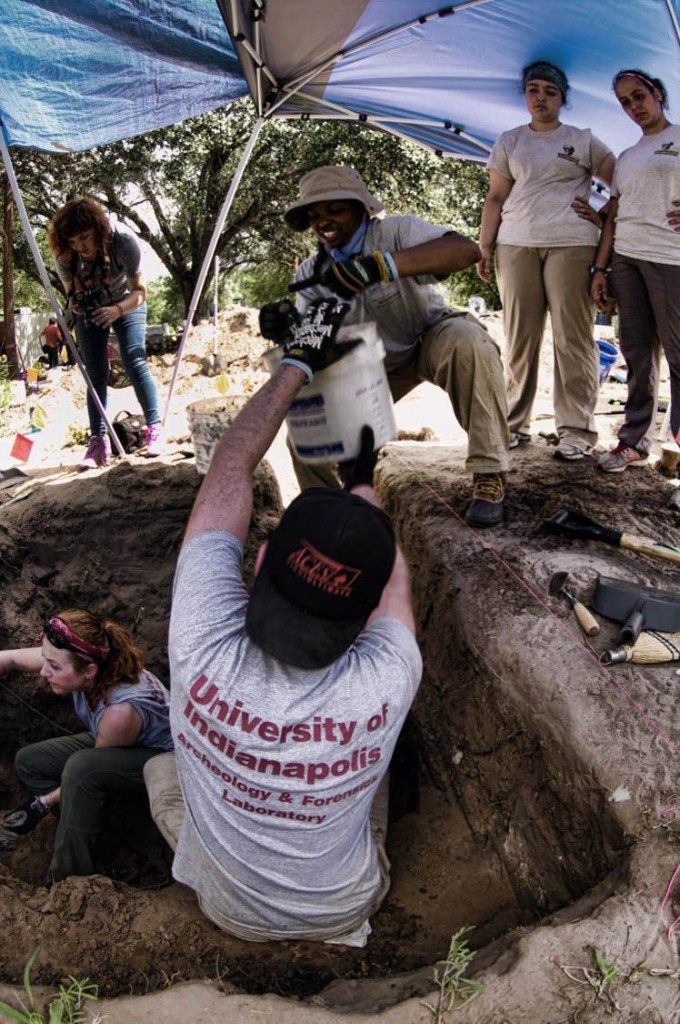
Beyond borders member passing a bucket from inside the burial to other team members on the ground level

It is so much more because you are part of their journey. To those of you that merely read our posts for awareness, to those that wrestle with the politics of the situation versus the reality of human life and tribulation, to those that work on a daily basis for global human rights – you are now a part of their story.  As you talk about the issues, search for more information on the topic, share our posts and struggle with your own inner dialogues, you are adding to the conversation and you are walking beside us on this stretch of their journey as we try to understand why this is happening and how we can prevent these deaths and this suffering.  We thank you for being a part of their journey and being part of the solution.

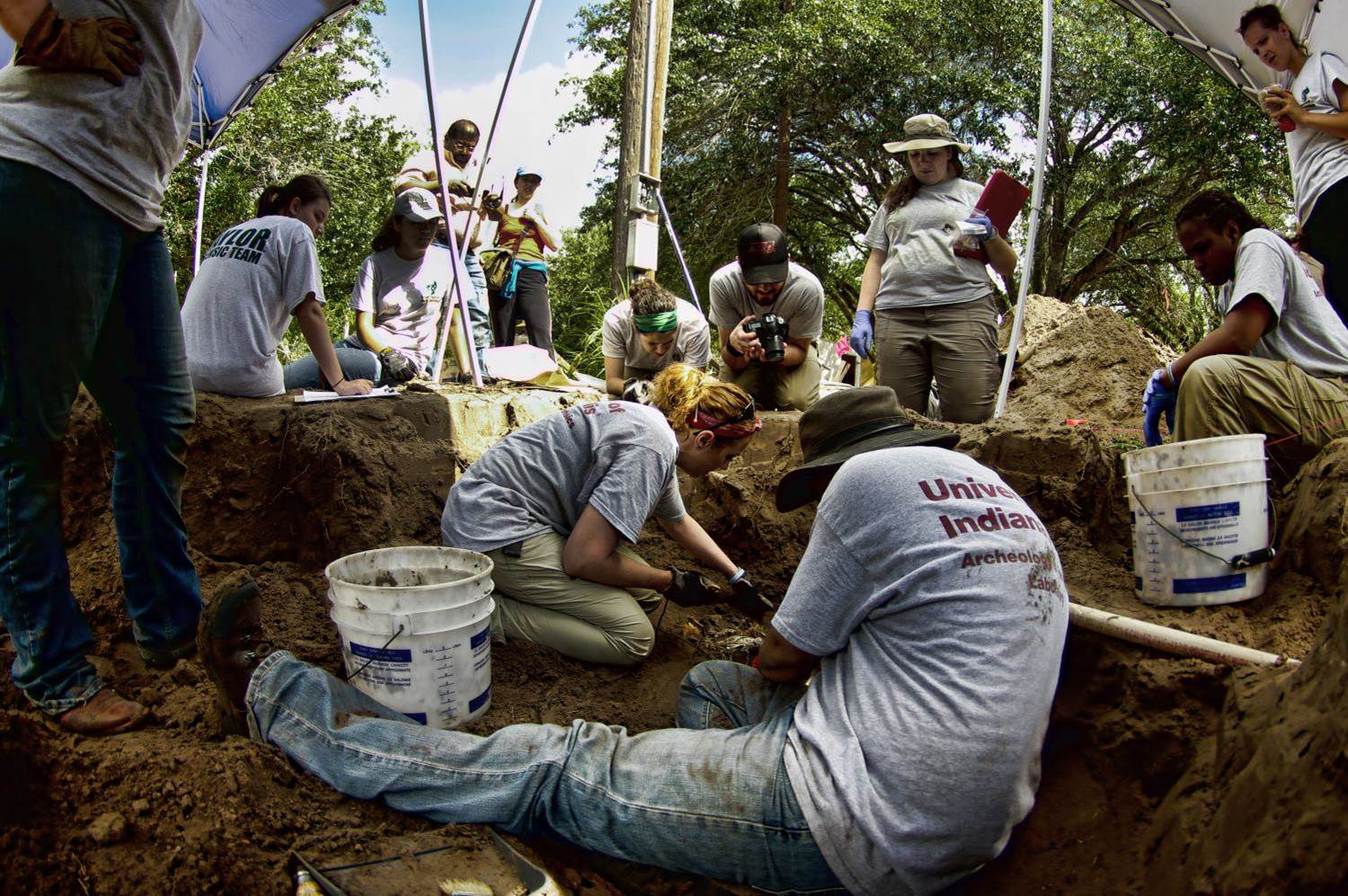
Members working in the burial pit with many members looking on from the ground surface

The goals of this blog have been to: 1) Highlight the commitment of University of Indianapolis Human Biology faculty and students to “Education for Service”, 2) Share our experiences as we assist with the human rights crisis in Texas by volunteering our skills as forensic scientists and 3) Bring awareness to this issue by sharing links to information and media on this subject.

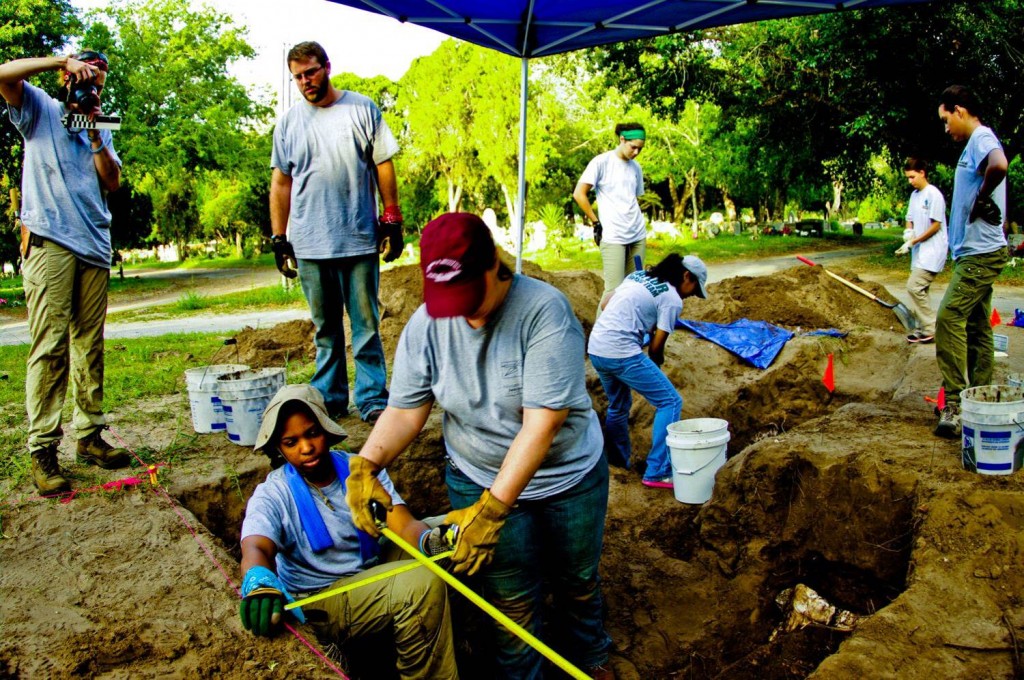
Ground surface picture over members crossing tape measures to map in a burial, while others take pictures or continue working in the background

I think we have been successful in all these endeavors.  I am proud to be a part of a university that not only supports service but incorporates it into their university motto.  I am proud beyond words of these five amazing UIndy students. Their professionalism, maturity and skills make them perfect representatives of the University of Indianapolis.  We have tried to bring you, the reader, into what we experienced while in Brooks County: the physical toll the work takes on us, as well as the emotional highs and lows we experienced.  We tried to introduce you to the amazing people we worked with and the community that welcomed us.  We tried to introduce you to the science and the technical aspect of our work, as well as the humanitarian side.  We are proud of the sacrifices this team has made to assist in the identification of the unknown and we hope we are invited to continue participating in this endeavor.  We will continue to use this blog as a way to disseminate information about the progress of this project and the issue in general.  Thank you for your support and thank you for reading.

~KEL

All photos are University of Indianapolis photos by Guy Housewright