All posts by lathamke

“We are waking up in a more dangerous world.”

We are waking up in a more dangerous world.” is the phrase being repeated by global leaders on January 3, 2020.  This is forcing some to think about how military escalation might impact their personal and family safety in ways they hadn’t considered prior to the US killing of Iran’s top military general. But to others, concerns of personal and family safety are a daily and ongoing concern, and the new global instability is not as eminently dangerous as their immediate surroundings.

Many of the migrants fleeing their home countries have no choice. They are facing unimaginable violence and have little faith in the authorities that are supposed to be protecting them. Crimes go uninvestigated and unprosecuted when authorities are corrupt and controlled by criminal groups.  The Northern Triangle countries of Guatemala, Honduras, and El Salvador are the deadliest countries outside an active war zone. Gangs extort individuals, recruit the young and kill those who cross them or don’t corporate with them. The gangs/cartels oversee drug sales and their violence can extend past locals to rival gangs. Another factor driving migration is violence against women. Sexual violence is a major factor forcing the migration of women and girls from Northern Triangle countries. Femicide, the targeted killing of a woman by a man due to her gender, is frequent and not often investigated when it occurs. Additionally, violence targeted at indigenous groups is forcing them to flee in large numbers.

That’s part of what makes our search missions so emotionally difficult. Not only are we experiencing firsthand the dangerous paths they are walking to escape knowing that “No one puts their children in a boat unless the water is safer than the land”. But we are seeing what they are forced to suffer due to policies that limit or belittle asylum. While we know that there are no easy fixes to our immigration policies, it is also difficult to see what our polices are forcing other humans to do to escape for their own personal or family safety. It reinforces our place of privilege and challenges our perceptions when we walk these paths, encounter discarded belongings that were valued but too heavy to keep, see evidence of suffering and observe evidence of death.
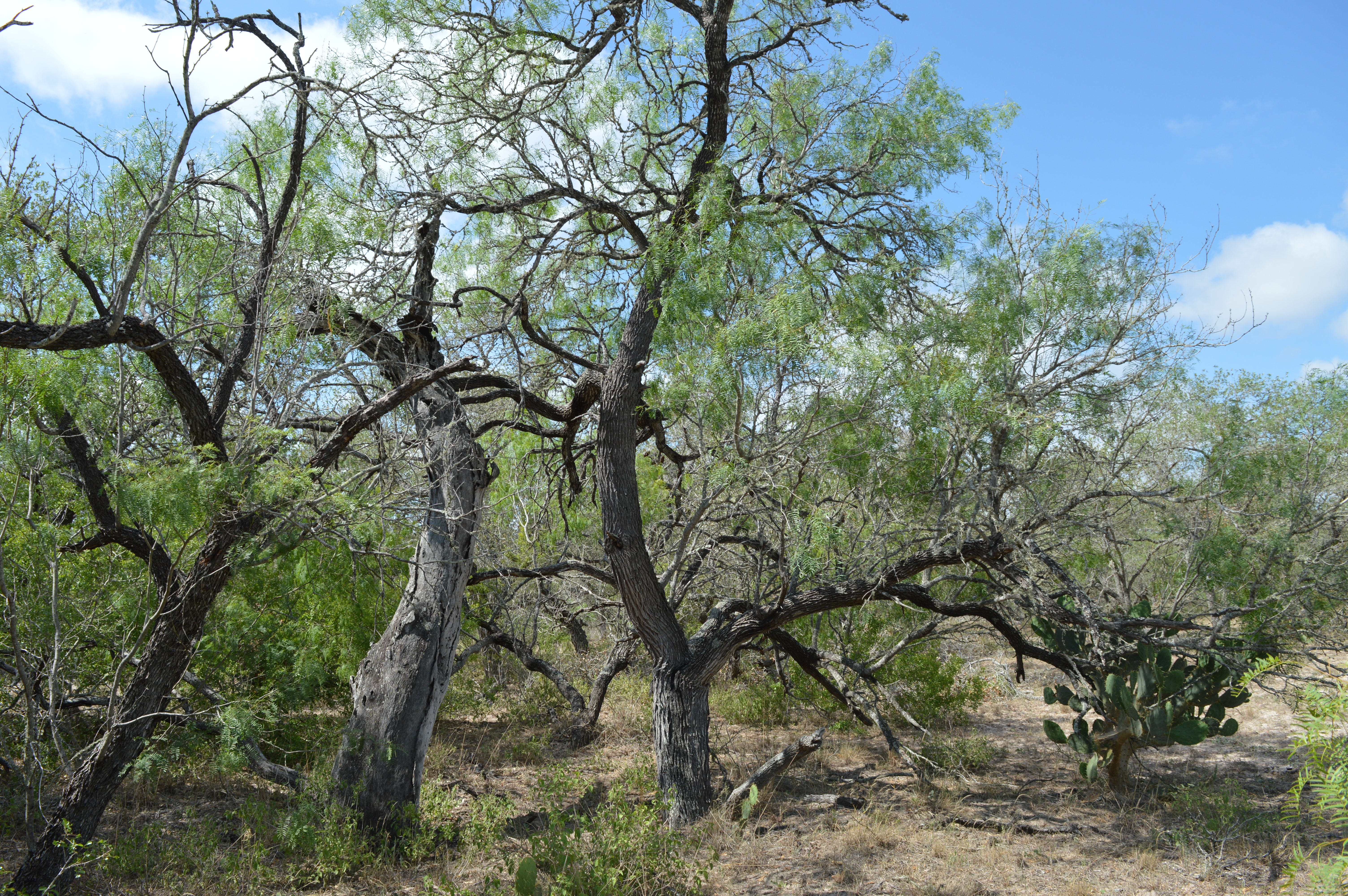
Sunny skies and dense thickets

Our mission over the next week will be to assist local organizations in Brooks County by volunteering our time and forensic expertise to replenish waters stations with the South Texas Human Rights Center and conduct search and recovery operations with Deputy White. Additionally, our mission will provide an intense and immersive educational experience for the team as they navigate conditions and emotions that will push them out of their comfort zones while conducting forensic science in humanitarian contexts.

Thank you for following our work and supporting our mission. Please check back daily for updates from the field.

~KEL
“The life of a migrant is sad”

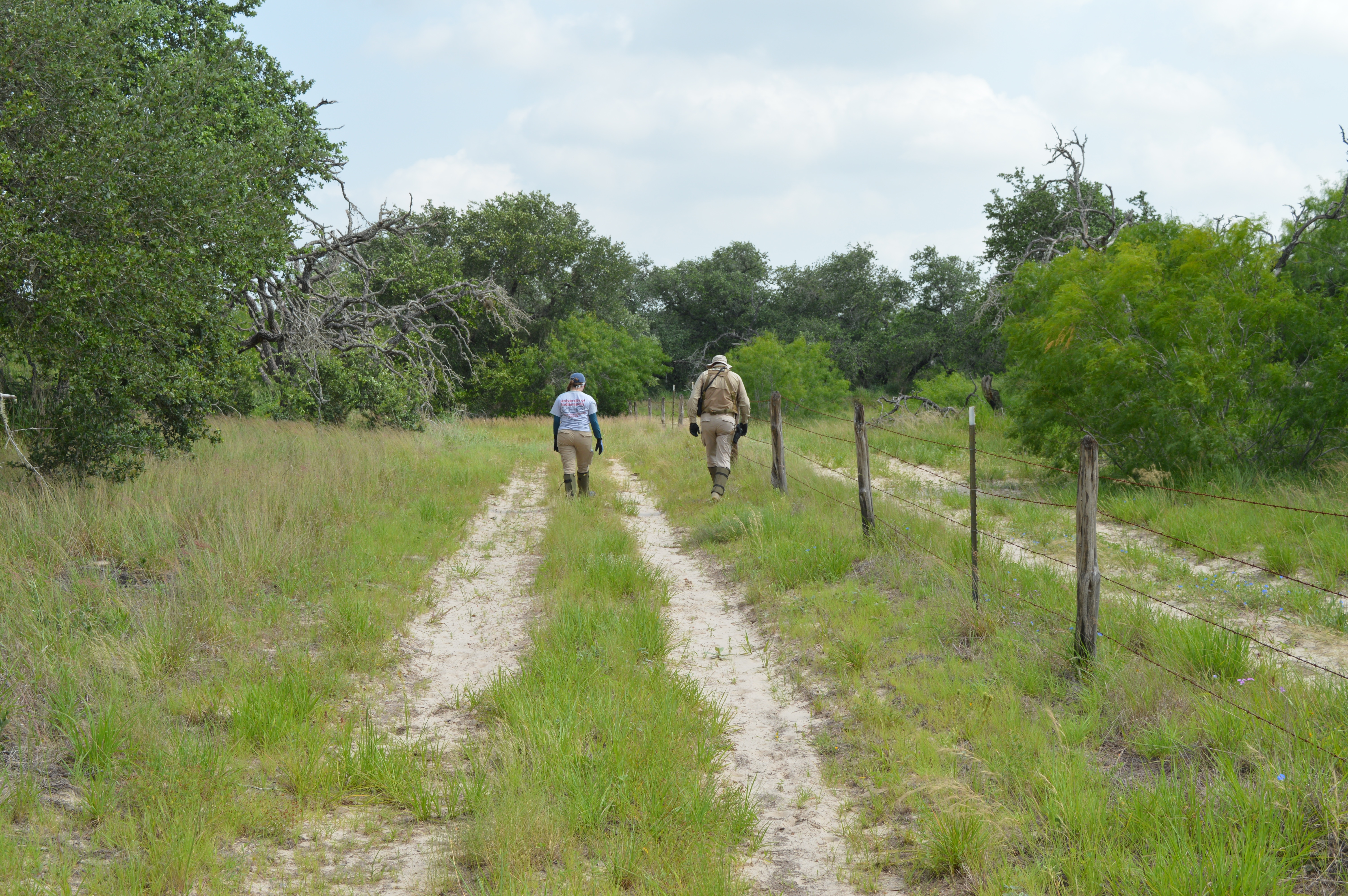
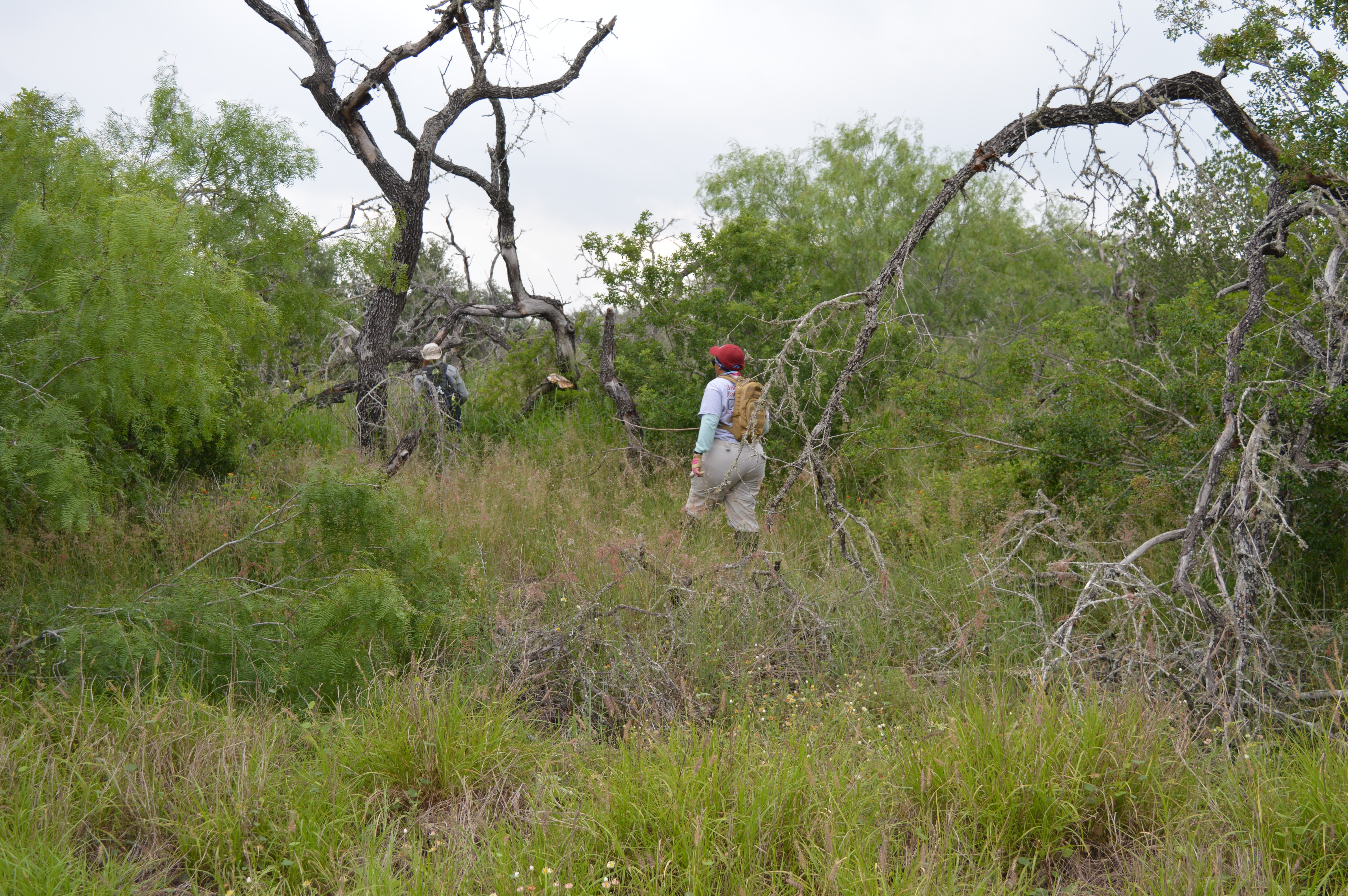
The second half of our trip focused on search and recovery operations on local ranches. We were working with Eddie Canales, Arianna & Selina of the South Texas Human Rights Center and  Deputy White of the Brooks County Sheriff’s Department. The first day of searching we were joined by a few students from Texas State University. They were able to spend about three hours with us with the goal of collecting data on search coverage using GPS tracking systems. It was a nice opportunity for the UIndy students to interact with their peers in another program and to learn different approaches and techniques for ground searches. The second and third days we focused on a smaller ranch near where Byron’s cousin went missing. Our work became more personal as we searched with him and learned more of his story. He told us about his journey to political asylum in the US, the sadness of not being able to see his family and the pain of loosing his cousin. He summed it up in one simple yet heartbreaking sentence “The life of a migrant is sad.”  The pain, the fear, the heartbreak, that does not just go away once you enter the US. It is just transformed into something different yet just as burdensome and heavy.

There were many impactful moments and learning opportunities for the team during this second half of our mission. I asked them each to relay something they learned:

The last few days of our trip have been really impactful for me. Spending time for 3 days straight doing search and recovery on ranches only gave me a glimpse of what it’s like for migrants on a daily basis. But, being around Byron and hearing his story really put my experience into perspective. The three days we spent searching were tough, so to hear that Byron spent two and a half months in conditions similar to and even worse than what we experienced was just heartbreaking. And he went through all of that at the age I am now. There’s no way I could ever be able to handle going through an experience like Byron’s at 24 years old. — Alba

Alba
Alba

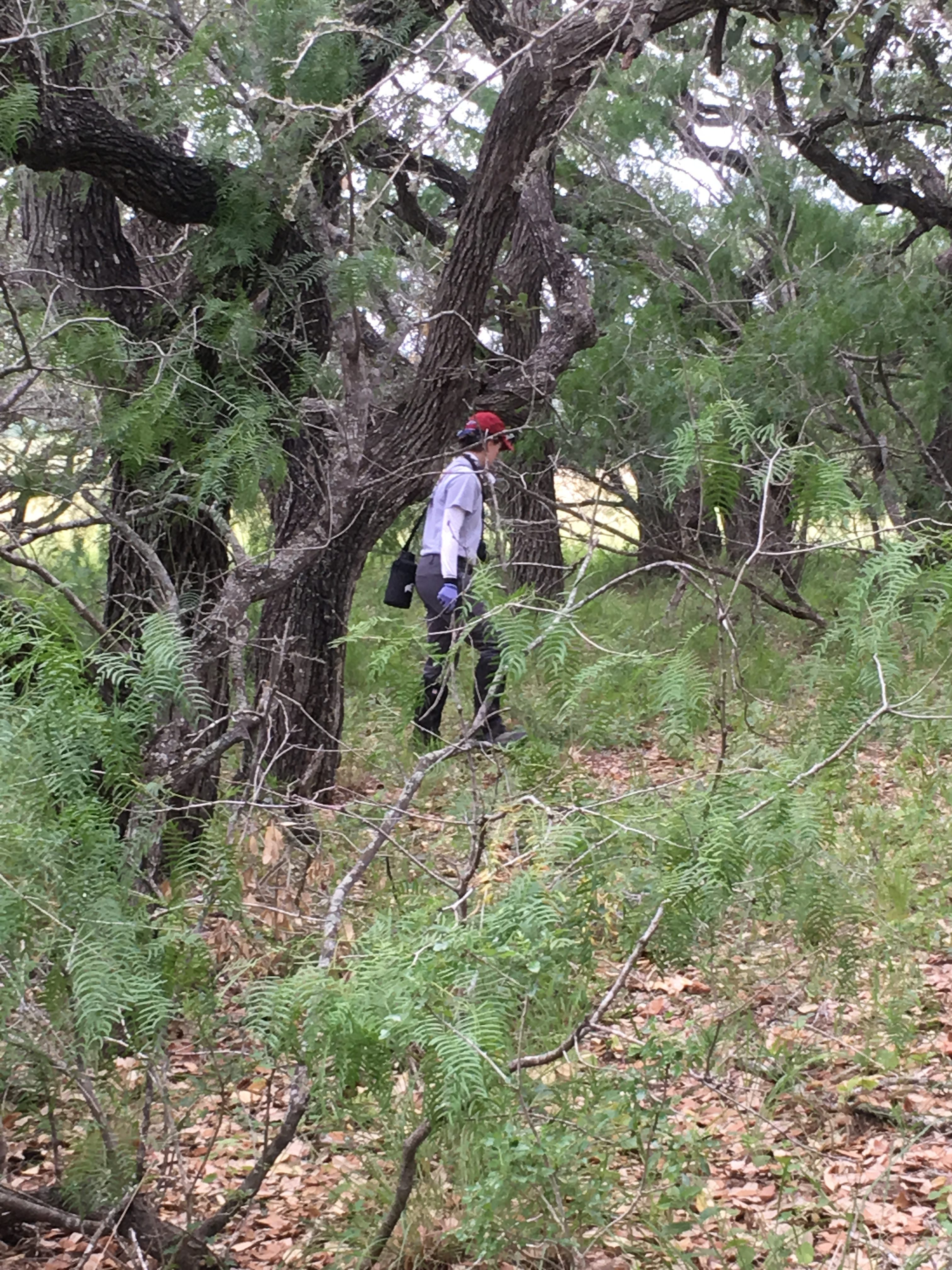
As we walked through the brush there were many pathways heading into the trees. As we followed these pathways in search of evidence or humanity, I realized we were walking the paths of migrants. Paths that were not clear, but instead filled with obstacles throughout the brush. It’s difficult to describe how walking these paths made me feel, but I can say I gained a new perspective and general awe of the migrants and their ambition. — Holley

Holley & Deputy White
While conducting our search and recovery operations, one thing I noticed was how easy it is to get turned around in the brush. Our team was equipped with compasses and safety whistles but I highly doubt migrants would have the same resources. For me, this highlights just how unforgiving the environments migrants find themselves in can be and therefore how reliant migrants are on coyotes. — Megan
Megan
Megan

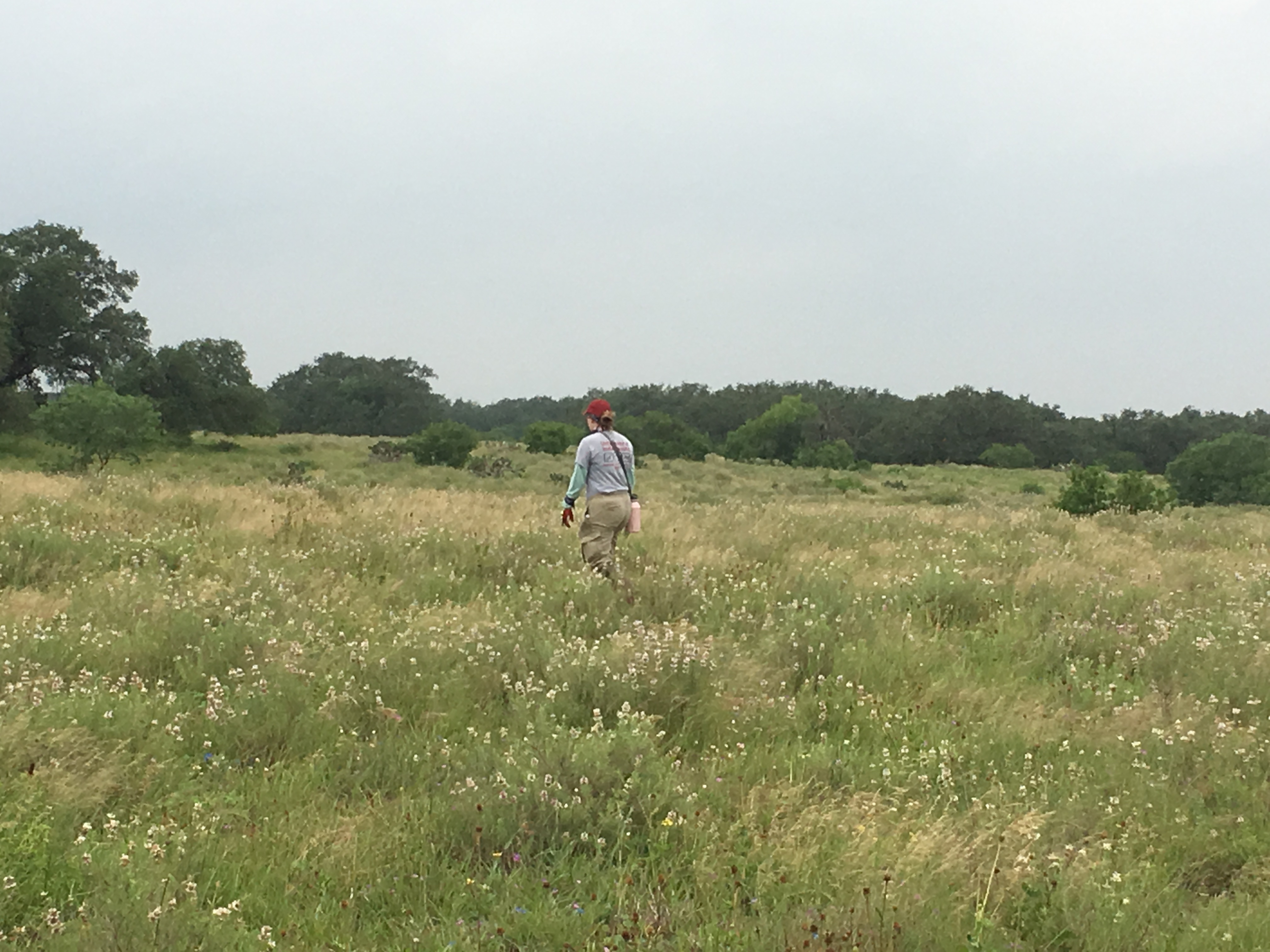
During our time searching, it really hit me how harsh this environment truly is. There is sand, thorns, stickerburs, animals, tall grass, and more that migrants have to maneuver through, often without any idea of where they are heading. I would imagine this would be even more difficult in the dark, considering just how hard it is in the daylight. It’s incredible that anyone makes it through safely. — Sidney

Sidney
Sidney

~KEL

Travel Day

Most of the team had never been to Texas before, so we decided to wake up early and do a little sightseeing before going to the airport.  We loaded up the minivan and went to Whataburger for breakfast taquitos and honey butter chicken biscuits. There are no Whataburgers in Indiana and I wanted to make sure they got to try these famous breakfast staples of Texas. Then we said goodbye to Falfurrias and started the drive to San Antonio.

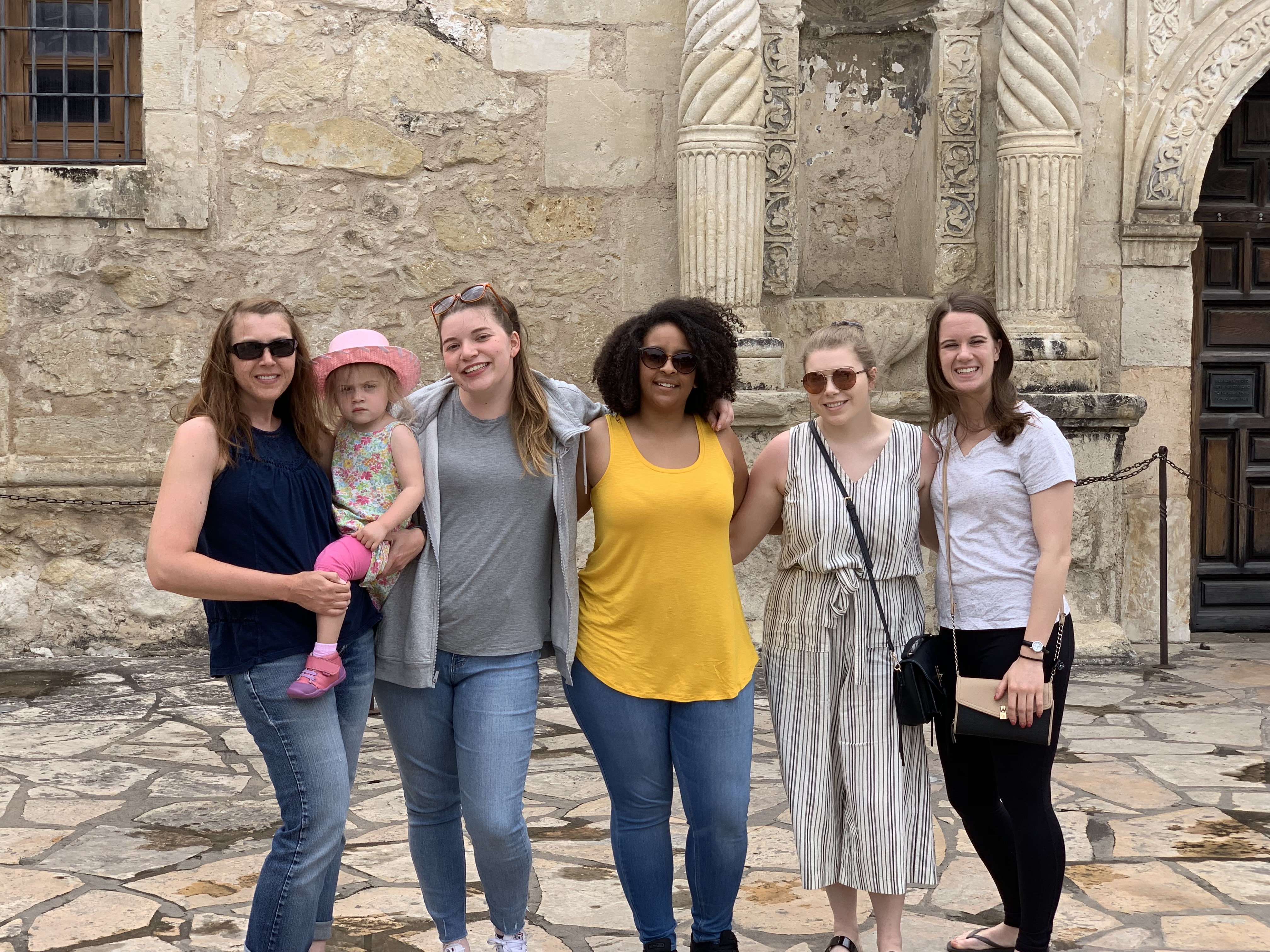
We started at the Alamo and then made our way to the River Walk. I’ve always felt that this last day is a way to buffer the emotions of ending our work in the Texas Borderlands. These trips are both physically and mentally exhausting for the team. Additionally, these experiences are often intense and push them out of their comfort zones in terms of evaluating their place in a system of privilege and power. It’s not until they slow down that they truly begin to grasp the magnitude of the situation and what they have experienced.

The Alamo
The Alamo

We enjoyed brisket for lunch at Moses Rose’s Hideout and then tres leches cake at Rosario’s. We kept an eye on the radar because severe storms were moving across the Midwest, but we only had minor delays. And then just like that we were back in Indiana. The students are taking the day off to rest, recover and reflect on their experiences. Again, this is often necessary as they begin to consider the fact that they can just leave the border and return to the lifestyles that afford them comfort and security.

Sightseeing in San Antonio

Please continue to visit the blog for the next week as we reflect upon our experiences. Thank you for following our journey and supporting us along the way.

~KEL