Category Archives: Community

Interaction with the community of Falfurrias

Day 2: Community Impact

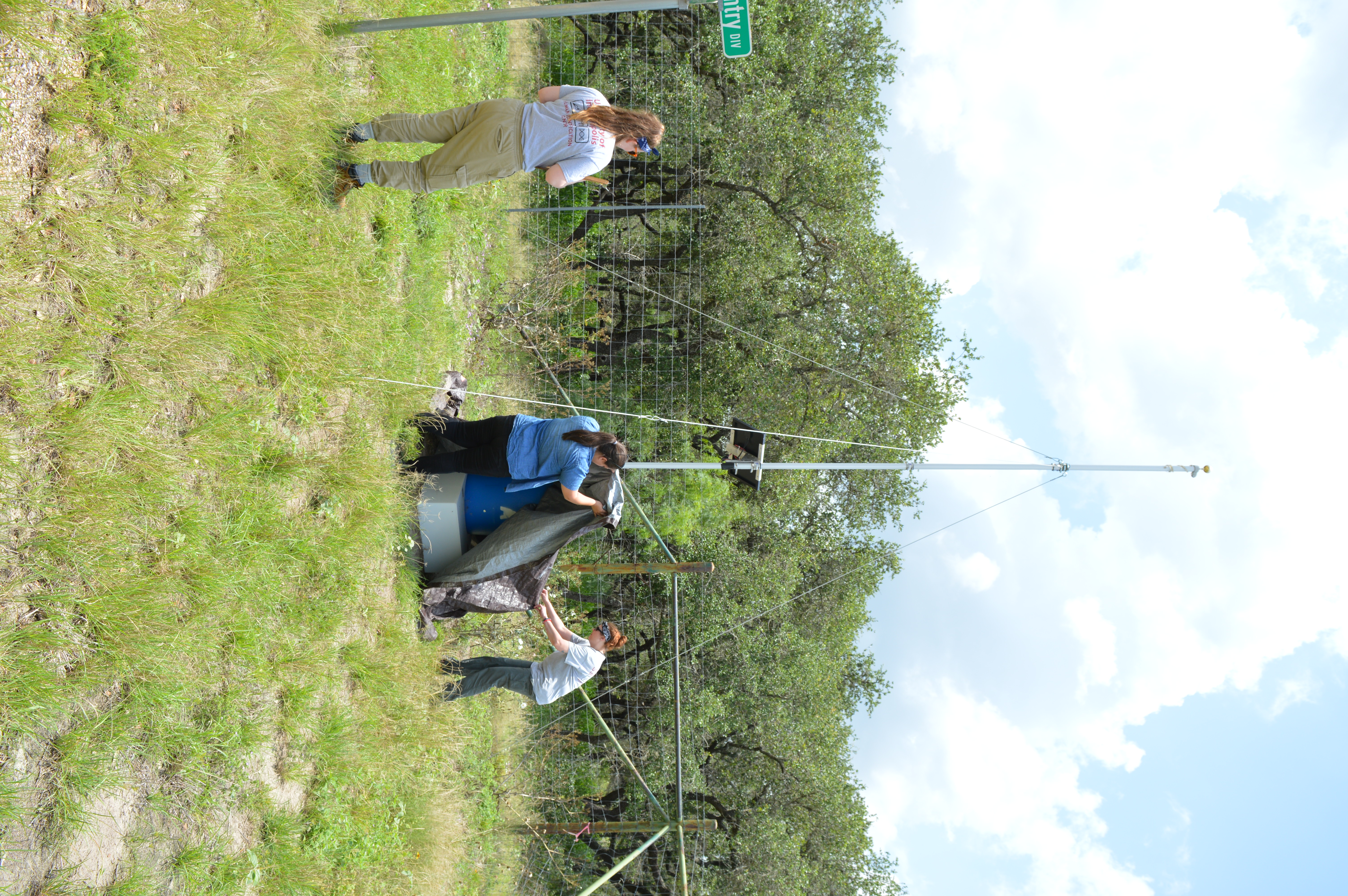
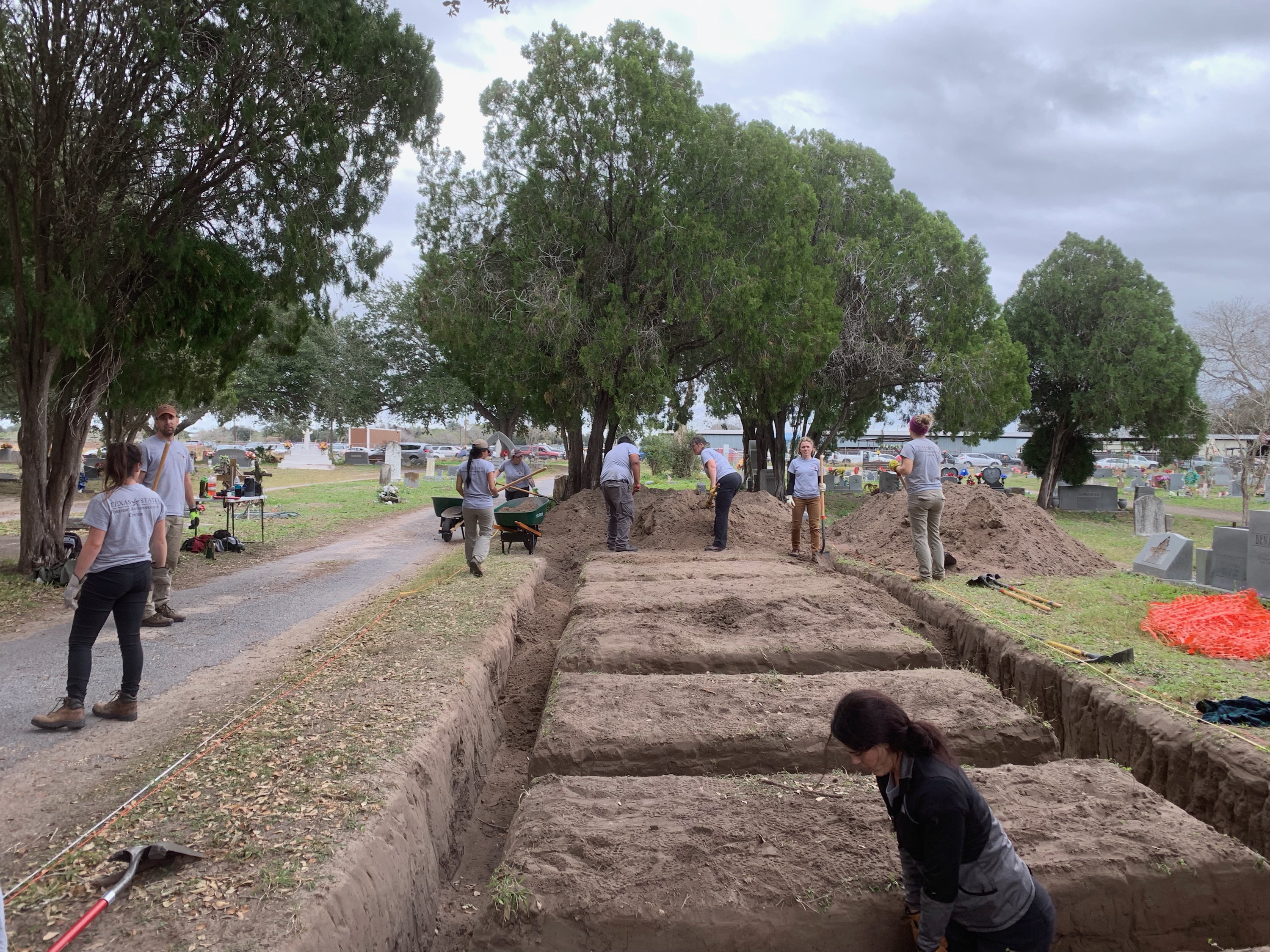
This was our second day searching for migrant burials in Sacred Heart Cemetery, and we truly began to notice how much this volunteer effort means to the Falfurrias community. Word of our presence has surely been spreading since we received many more visitors and curious spectators from the town. We experienced a variety of different reactions to our work. Some people stared as they drove by our site, some waved, some came and offered to bring the team lunch and thanked us for our efforts.

I had the unique opportunity of attending a press conference today that was organized by Eddie Canales at the South Texas Human Rights Center. As a graduate student, it is invaluable to observe professionals in the field as they interact with the public and media. I think it is incredibly important that experts in this topic have the opportunity to speak to the public and provide truthful information about the type of work we are doing and our motivations for doing it. It is so easy to spin things out of context and to politicize the identification of unknown migrant decedents. In reality, the core of this work is that all humans are treated with dignity in life or death and are given an equal chance at identification if we can provide the resources to help
do so.

Interview with the mediaDr. Latham sat on a panel with some other forensic experts who play an active role in identifying migrant burials. There was press from at least 4 news stations, and it was nice
that they were able to have a light question and answer session to discuss the roles and techniques employed by the different volunteer organizations.

After we finished the long day of excavating, we stopped at the gas station for some Laredo Tacos. And WOAH, let me tell you: this barbacoa taco I had was one of the best I’ve ever had. While we were there, a few of us were approached by some people in the community who took an interest in our work. They wanted to know what we had found so far and how it was going at the cemetery. Compared to the field season last January, there is already a huge difference being in Falfurrias at a public site. I appreciate the ability to feel how deeply the humanitarian crisis impacts the locals in different ways.

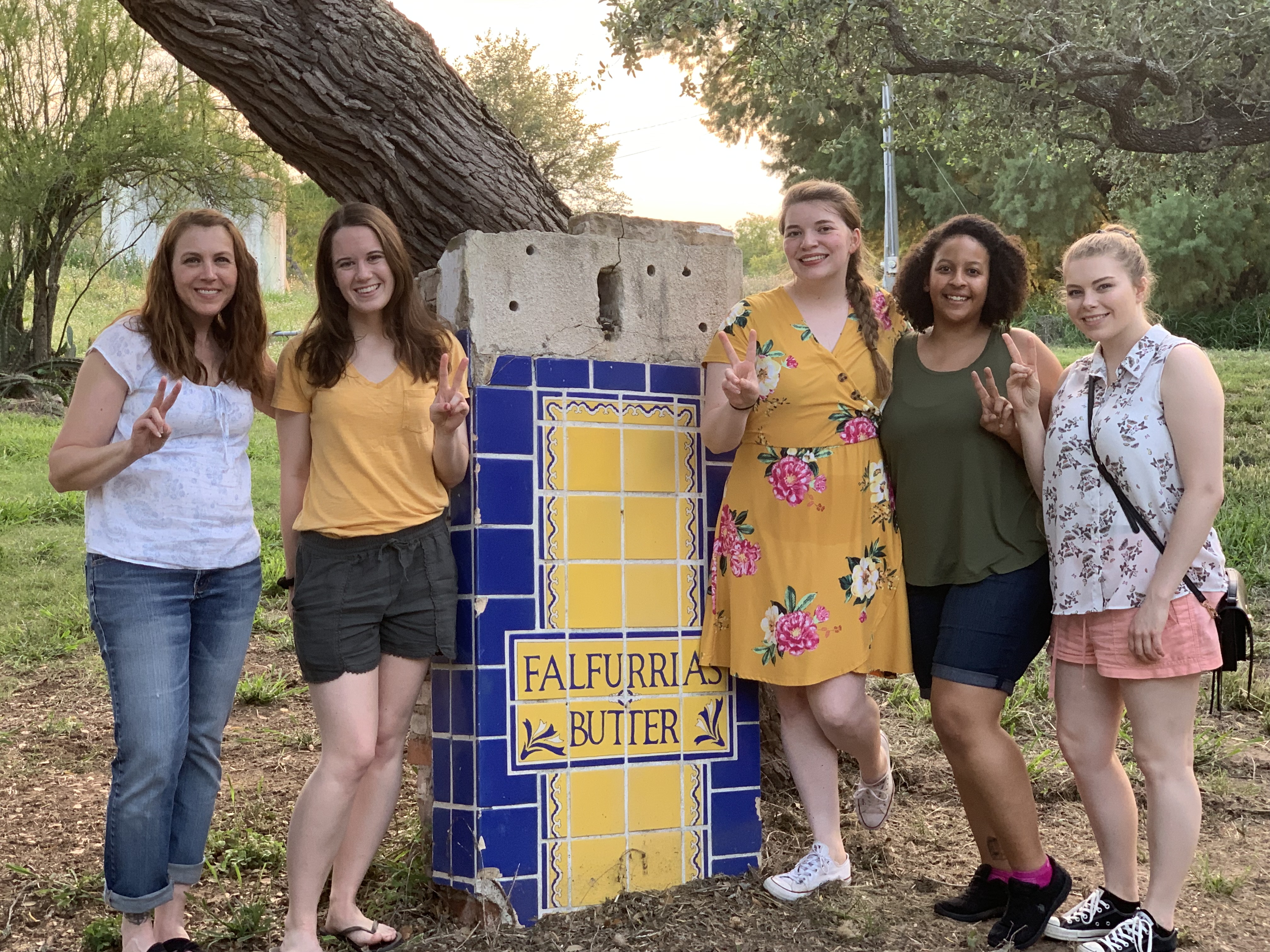
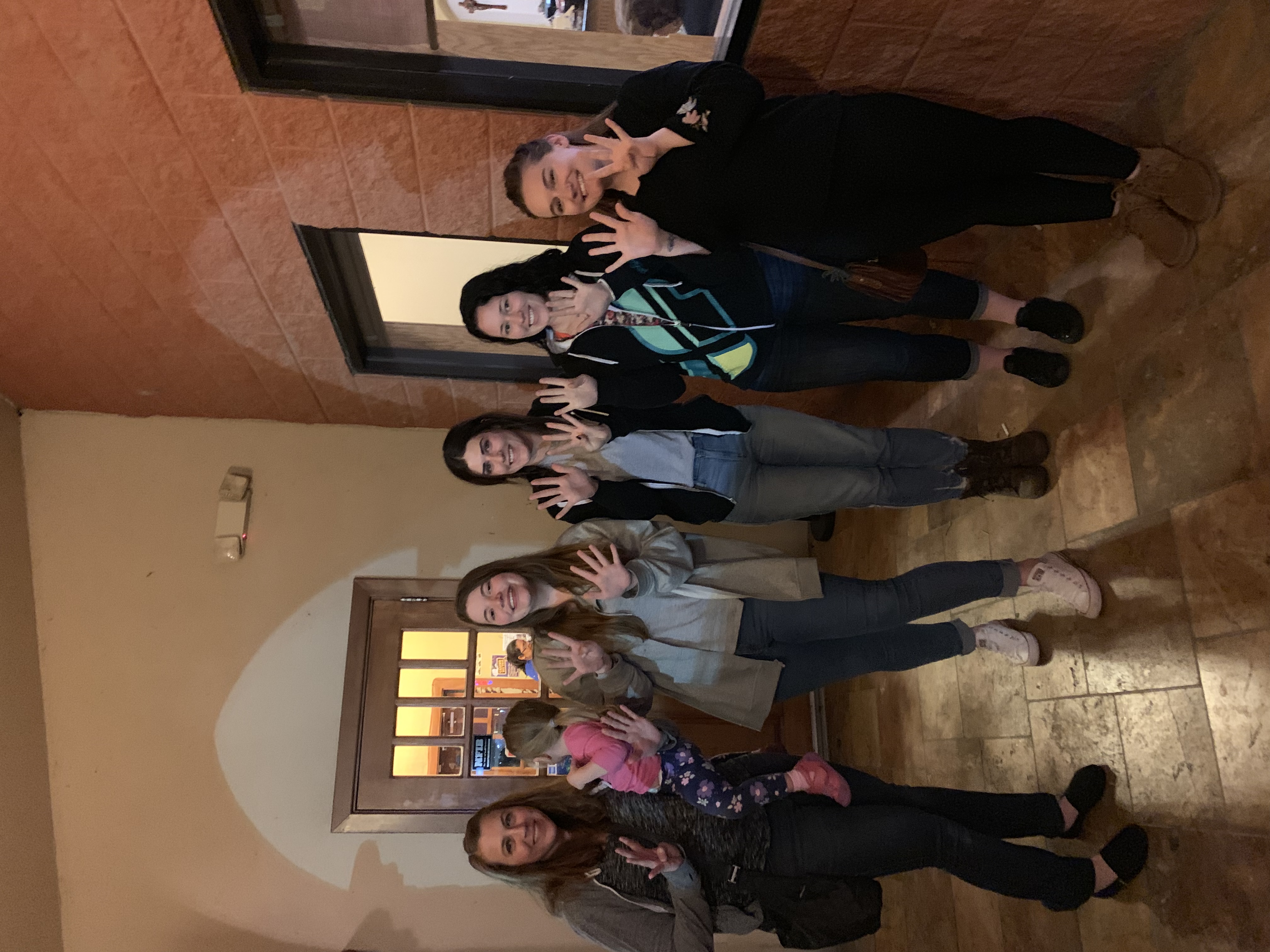
Day two group photo

Sammi

“Bringing Names to Numbers”

Nine. The number of days in the field. Nine days of digging in the hard south Texas dirt. Nine days bringing the remains of the nameless back to the surface; back to the light of day. Nine long, tiring days of body aches and pains.

Group photo of team members on day 1.Group photo of team members on day 2.Group photo of team members on day 3.

Group photo of team members on day 4.Group photo of team members on day 5.Group photo of team members on day 6.

Group photo of team members on day 7.Group photo of team members on day 8.Group photo of team members on day 9.

Seventy-two. The number of bodies uncovered by our efforts. The number of persons either too poor to afford what most would consider a ‘proper’ burial, or too poor and downtrodden to afford the ‘proper’ route to United States citizenship and instead paid the ultimate price: their lives.

Thirty-seven. The number of individuals whose bodies and personal effects traveled to Texas State University for forensic anthropological investigation. The number of families who we hope, through our efforts, will one day see closure.

The slogan for Texas State Universities’ Operation Identification is “bringing names to numbers”.  A New York Times article from May 2017  reported that there were 6,023 documented migrant deaths along the U.S.-Mexico border between October 2000 and September 2016 (NYTimes, 2017). It is hard, though, to picture the true magnitude that numbers entail until you see body bag after body bag being removed from the ground and placed in a cargo trailer.

For me, participation in this years Beyond Borders team really drove home the crisis that is occurring in our country. Sure, I have attended lectures on the topic, processed remains of migrants, and read articles reporting the issue, but participating first hand in the recovery of these individuals has placed it all in a new light. I recall a story told by our backhoe driver in which he told us about job-offers from the cartel and how people who mistakenly take these offers are told they will be loading cargo only to arrive and be forced at gunpoint to load semi trailers full of illicit drugs. Working class citizens, who want nothing more than money to put food on the table, roped into a massive international drug ring; not by choice but in fear for their lives. If these things are happening in the US, I can only imagine the atrocities people are facing further south where there is less security and a far lower standard of living.

When viewed in this light, it is easy to see why people will risk literally everything to cross the border by foot. Obviously not every migrant will have had direct contact with the Cartel;  this does not, however negate the fact that our country offers safeties, luxuries and opportunities that many can barely dream of… Things that for many are entirely financially and logistically out of reach by the ‘proper’ methods. Things  that are worth literally dying for.

Jordan

Overview of a person in a cemetery with windmills in the background.

Day 9: A Day of Closure

Leann, Sammi, Jessica, and Jordan smiling and dirty after a day of work.
End of day 9: Leann, Sammi, Jessica, and Jordan

As our last day comes to a close, I cannot help but think about the people I am going to miss. I will miss Dr. Spradley, Dr. Gocha, Deputy Don, and the many others who volunteer their time to assist in identifying the individuals who exist as a mere number in the legal system without this humanitarian effort.  I will miss Joe and Luis, who not only came to the cemetery every day with an eager outlook and a focused mind, but proceeded to bring us donuts, fried chicken, fruit, or pistachios to show their appreciation for the hard work we put in. Today has been full of various emotions. Dr. Latham said this has been considerably different than the final day of most previous field seasons. This time, the groups are not working to quickly, carefully uncover the final few individuals before cleaning up and leaving the site. The UIndy team has finished thoroughly investigating every open area of our quadrant for the remains of the unidentified migrants we are searching for. This time, our final day is a day of closure.

A back hoe filling in a pit.
Joe filling our pit with dirt, using the back hoe

As Joe and Luis worked on filling in the large pits we had excavated within, everyone else supervised and cleaned up the site. Texas State came back with coffee, so Joe took a break and came over to our group. During this time, he shared some of his experiences living and working close to the border. It was powerful to hear the sincerity in his voice as he reminded us that people walk enormous distances to cross into the United States in search of a safer life and higher paying jobs, yet die of heat exhaustion, starvation, and dehydration as they journey through the state avoiding checkpoints. This was the most I had interacted with Joe during the trip, but it was valuable to receive a local’s perspective about those suffering in this crisis.

A team member placing flowers on burial markers.
Placing flowers around the marked burials

Once the surface had been entirely leveled out, we gathered plastic flowers, trimmed the grass around grave markers, and stuck the flowers in the ground or tied them in place in front of every burial. Every single burial received at least 3 flowers, thanks to Leann. Leann essentially became the self-established site florist for two hours as we finished marking burials that had been missing a sign. It is so important to Texas State University and University of Indianapolis to show our respect and leave the cemetery even better than we got it. This felt like the perfect final gesture to end the exhumations with a small gift.

Wood grave marker with flowers.I have been very touched by the events of our final day. I was able to see the site in stunning condition before we left to drive back to our hotel for the last time. There is still much to do. Leann and I have some mapping to work on over the weekend, and a long day of travel ahead of us tomorrow. However, I have been absolutely amazed by the amount I have learned from this experience. Texas has been extremely good to the Beyond Borders team this year, and for that we are grateful. We are very fortunate that Dr. Latham’s involvement with this project has allowed us to participate another year and provide students with the opportunity to help provide closure to many families who have lost their loved ones.

Team photo on day 9.
Day 9

Sammi