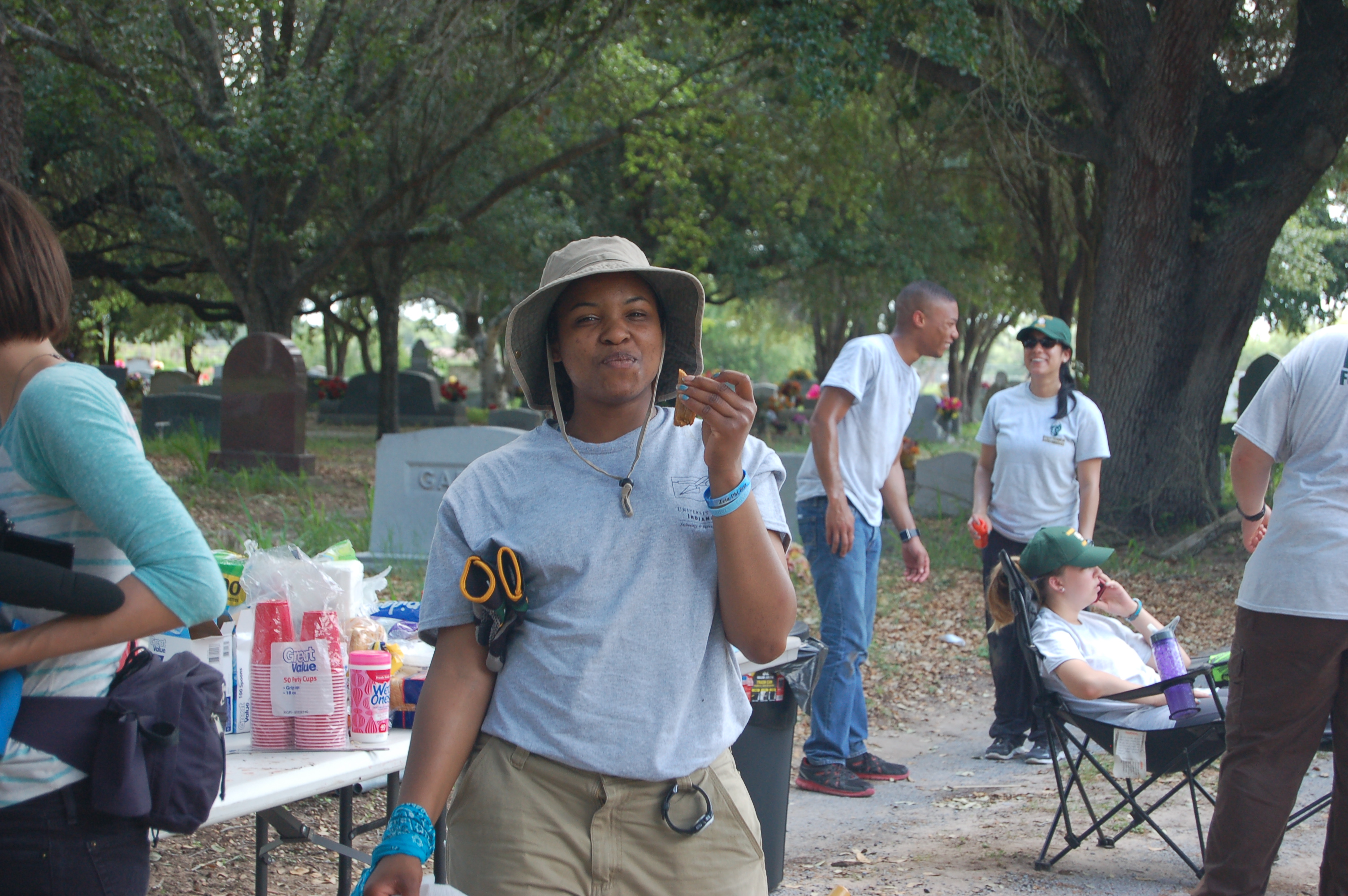
Since last year’s excavation in Falfurrias, we have strived to learn more about the migrants that cross the South Texas border. I would say, personally, my knowledge regarding our borders has been very basic. I am a Midwesterner, which generally means that issues such as these are far enough removed that we have facts and news, but we are not personally touched by it.
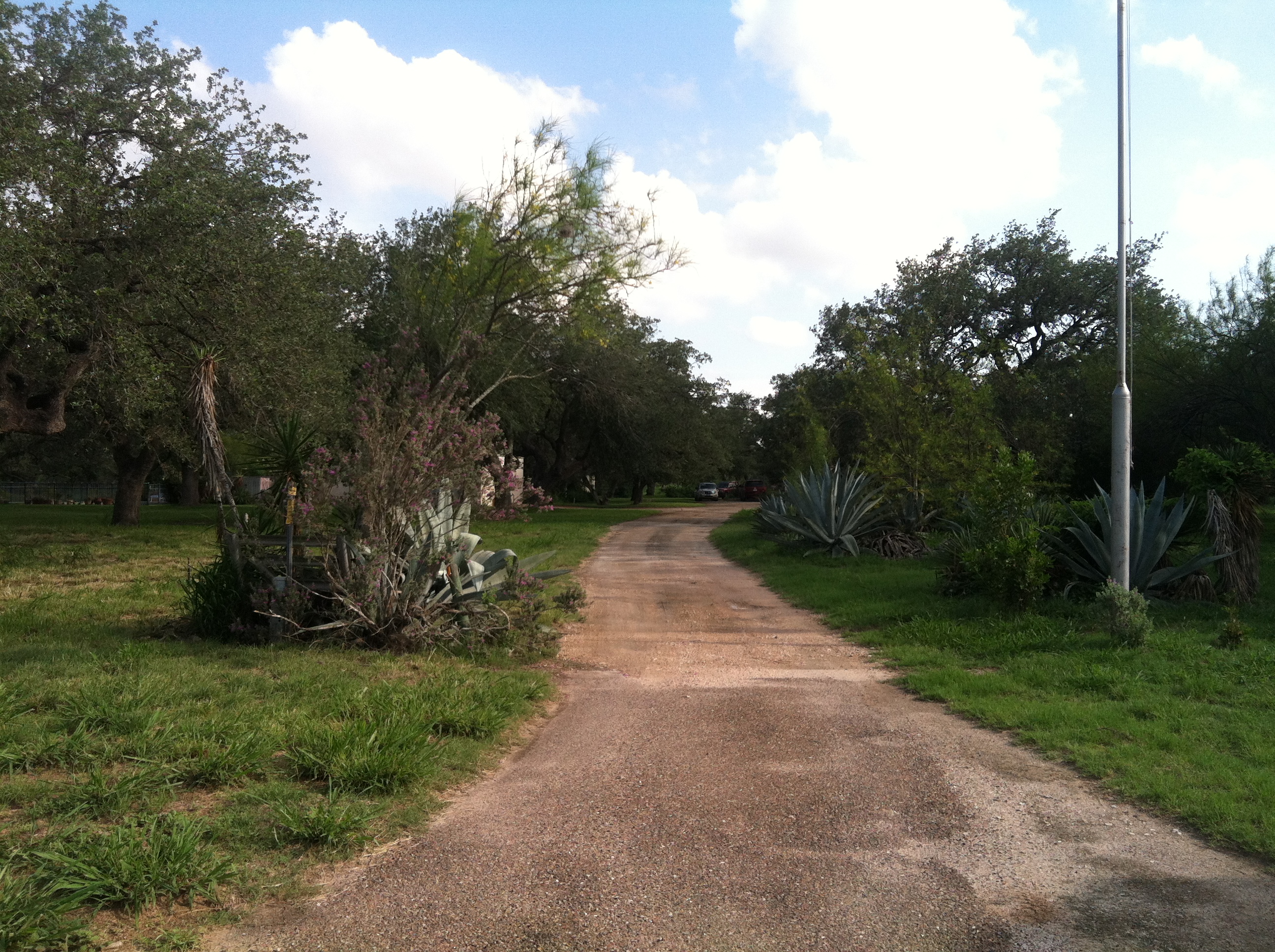
Lasater Ranch
Let me explain a bit what I mean by that. I remember visiting the Lasater Ranch last year, and being told by the ranchers that they would see a procession of several people walking across their land on a regular basis, close enough to be seen clearly from the house. Reactions to this vary. Some landowners set out water in an attempt to prevent deaths of these migrants who are so ill prepared to cross this very dangerous land. Ranchers know their land is so expansive it can’t feasibly be monitored completely to prohibit entrance, so prevention is the next step.
The US Border Patrol does the same thing. A lot of people misinterpret the mission of the border patrol, preferring to hold them accountable for stopping migrants at the border, and if that fails, for finding, detaining, and deporting any person without official documentation. This is true, but it shouldn’t be overlooked that the US Border Patrol is concerned about preventing deaths and saving lives as well. This fact didn’t really sink in for me until we were invited last year to attend a community meeting hosted by at the Falfurrias USBP station. The first presentation started “We were able to save XX people this week…,” which was followed by a cheer. Success in the mission is measured in lives saved. They then went on to discuss strategies for saving lives that included various water stations with emergency phones for those in dire need, complete with instructions in English, Spanish, and Chinese.
Recently we returned from a professional meeting in NV, where we had a discussion with Robin Reineke of the Colibri Center for Human Rights. One topic we discussed was whether the term migrant was an appropriate designation for the people crossing our southern borders. It was proposed that refugee might be more appropriate. The reason behind this was clarified further by Dr. Wendy Vogt of Indiana University-Purdue University Indianapolis in a guest presentation we hosted last year at UIndy. Dr. Vogt is a cultural anthropologist that researches the journey migrants undertake to get to US border. She also helped to illuminate why people would risk their lives and the lives of their children to reach the US. People leave their homes, maybe starting in South America, and risk a perilous journey across Mexico. A lot of the migrants climb to the top of a train they deem “The Beast.” No tickets, no chairs, no seatbelts. And what was most shocking was that it was a regular occurrence to fall from the train and lose limbs, if not their lives.
The people she interviewed at various stages of their journeys told her their stories. I recall one of a young man and woman fleeing their country because he was given a choice to join the local gang or be shot. There was also a mother that was fleeing with only one of her many children, who could have been no more than 10 years old. The mother had fallen from the train and was in a wheelchair, stranded and unable to walk again without prosthetics.
A lot of migrants come from communities where shootings and randomized violence is a daily occurrence, and their lifespan and that of their children would be greatly improved anywhere outside of their country. These countries are the ones that our US Department of State issues travel advisories that strongly advise against visiting. We have an option of the level of danger we wish to face, many migrants do not. It is very difficult for me to conceptualize this, having never been faced with a lifestyle or environment in which it would be healthier to flee than stay. The people we hope to identify in Falfurrias have gone through so much, yet they still have a long journey to get home to their families. With a lot of hard work and even more collaboration, we can hopefully supply some answers and closure to the many families missing loved ones.