Latest Posts

And the Beat Goes On…

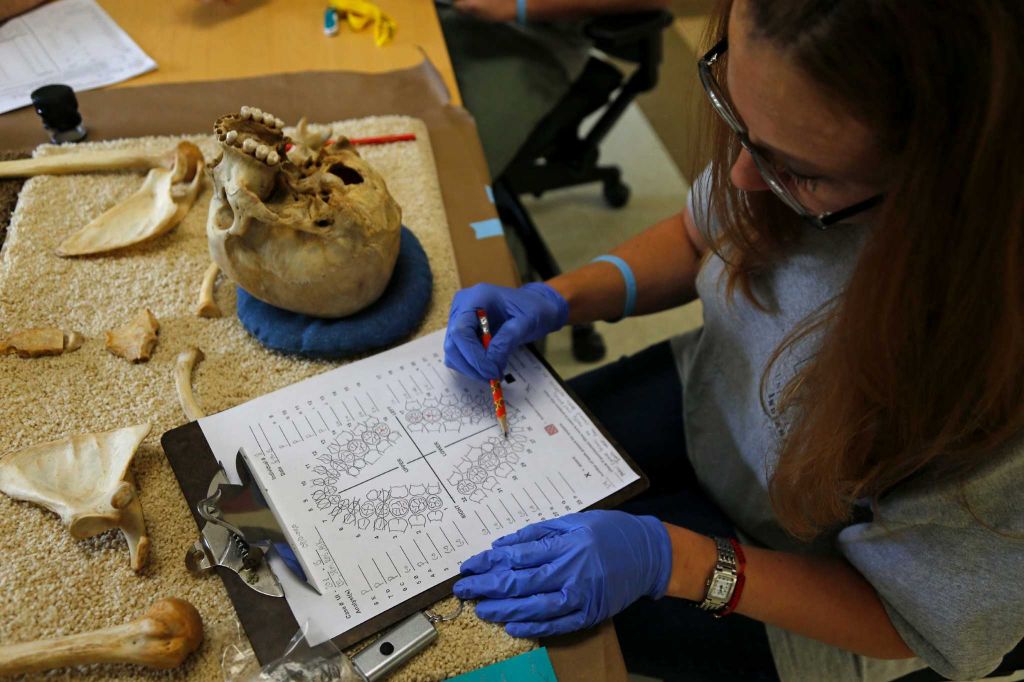
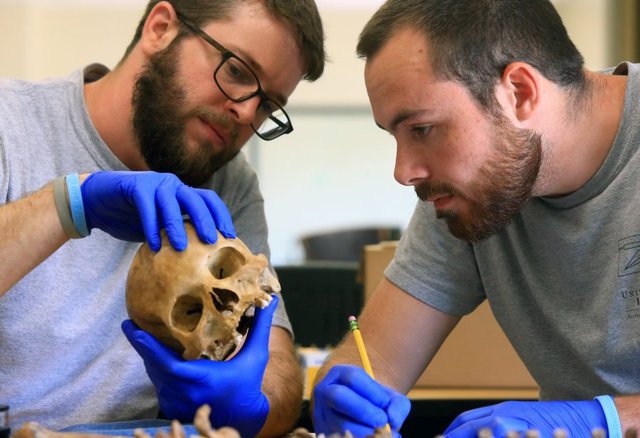
Photo of Ryan & Justin performing skeletal analysis on a cranium by Corpus Christi Caller Times
photo by Corpus Christi Caller Times

Thank you to all our readers who have joined us the past few years to learn more about forensic archeology, forensic anthropology and specifically the work that we’ve been doing to assist in the exhumation and identification of unknown migrants that have died in Brooks County Texas.  We plan on updating the blog at least once a month until our next human rights trip next summer.  Keep in mind the work towards identifications never stops!   Skeletal analyses at various institutions and human rights campaigns  continue all year.

We would like to know what you are interested in reading about. Do you want to know more about the specific techniques we use, the NamUs database, our lab, our university program, our crew? Please send your questions to Dr. Latham at lathamke@uindy.edu.  We look forward to hearing from you.

Photo of Dr. Krista Latham completing a dental analysis chart with a cranium and other skeletal elements laid out by the Houston Chronicle
photo by the Houston Chronicle

What was different about this year?

If I had to pick one thing that set this year apart from the others, it was our interaction with the living, breathing, human side of the story.

I started reading a book before the trip called Fresh Fruit, Broken Bodies: Migrant Farmworkers in the United States, written by Seth Holmes. At one point in the book, the author writes:

“I have been asked to invite [migrants] to speak to other gabachos—and have been shocked how often conferences on migration include no migrants, even though they are presumably experts on the topic.”

I think this was a lingering feeling that I couldn’t really get past while being a part of this trip the years before this one. A disconnect existed, despite whether I felt it at the time or not. Before this year, I had never met a migrant. I had never seen REAL emotion from a face-to-face interaction; I had only seen it in pictures. I had never heard a migration story directly from someone who experienced it; I had only heard it secondhand from news reports, textbooks, law enforcement, etc.

This year, I met migrants. I saw real emotion, heard real stories, and experienced a different kind of emotion than I had felt the past two years. I read the missing persons reports and the tragic stories from loved ones searching for answers, and for the first time, I honestly felt scared.

I’ve been revisiting a few articles since coming back from the trip, trying to make connections between the past and the present. I found an article that was written by Robin Reineke of the Colibri Center for Human Rights that raises concerns about how media outlets describe the humanitarian crisis (read the article here). While most of the article explores the political and historical roots of the crisis, the one part that really struck me was her discussion on the dehumanization of migrants through language. After rereading her article with the context of this year’s experiences, a major point really clicked for me: what is happening on the border is a crisis on so many levels, and it is affecting so many human beings. Of course I’ve always known this and have referred to it as a ‘humanitarian crisis’, but this year I think I really felt what each of those two words are referring to. This is extremely human, and it is a crisis for so, so many people.

When I first posted about this year’s trip, I talked about searching for new perspectives that could enhance my ability to assist however possible. That search didn’t take long; a new perspective revealed itself every day. And I quickly understood that those perspectives will keep popping up as long as I recognize each conversation and interaction as a different, and equally informative, perspective.

I will continue to post as I begin my internship at the South Texas Human Rights Center. As always, I am extremely excited for the opportunities ahead and for the progress that will be made.

Ryan
 

End of the Road

Our time in Texas has come to an end.  Two weeks came and went as if I blinked.  These trips to Texas always feel surreal – like a fleeting dream.  It is impossible for me to explain even a fraction of what the experience was like.  Every moment of the day is filled from morning to night with such things that leave you physically and mentally exhausted.  It also forces you to wrestle with every human emotion, such as joy, fear, guilt, loss, and helplessness.  As hard as it was to face, I know we all  gained great strength from the difficulty of our task.

I am not an eloquent man.  Try as I might, I cannot muster up the words to express how much this project means to me.  To remedy this, I will shamelessly use the words of William Shakespeare from the Tempest.

Prospero:

Our Actors
Our Actors

 “Our revels now are ended. These our actors, As I foretold you, were all spirits, and  Are melted into air, into thin air:

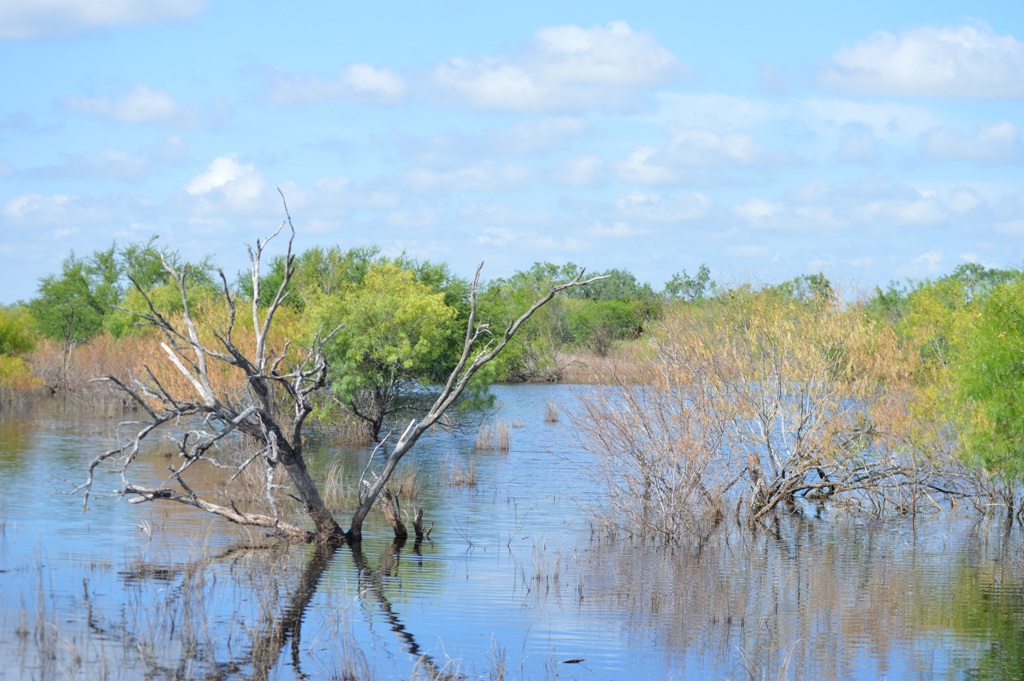
Landscape image of Texas with a small body of water and trees
The cloud-capped State of Texas

 And like the baseless fabric of this vision, The cloud-capp’d tow’rs, the gorgeous palaces,

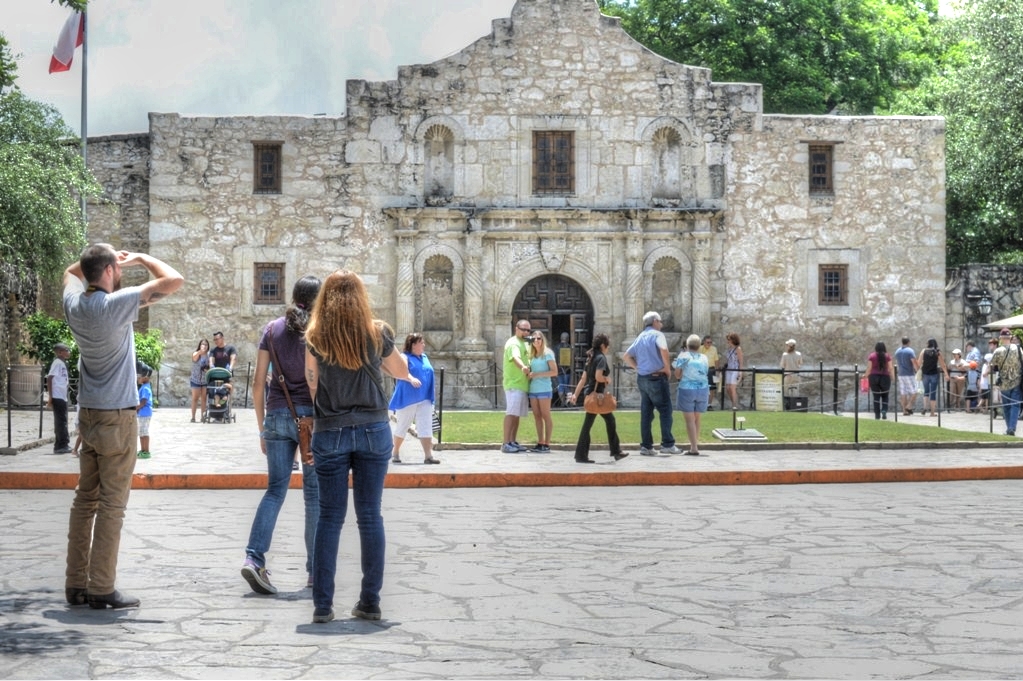
Image of the Alamo
The solemn temples, the great globe itself

 The solemn temples, the great globe itself, Yea, all which it inherit, shall dissolve,

And, like this insubstantial pageant faded, Leave not a rack behind. We are such stuff As dreams are made on; and our little life Is rounded with a sleep.”

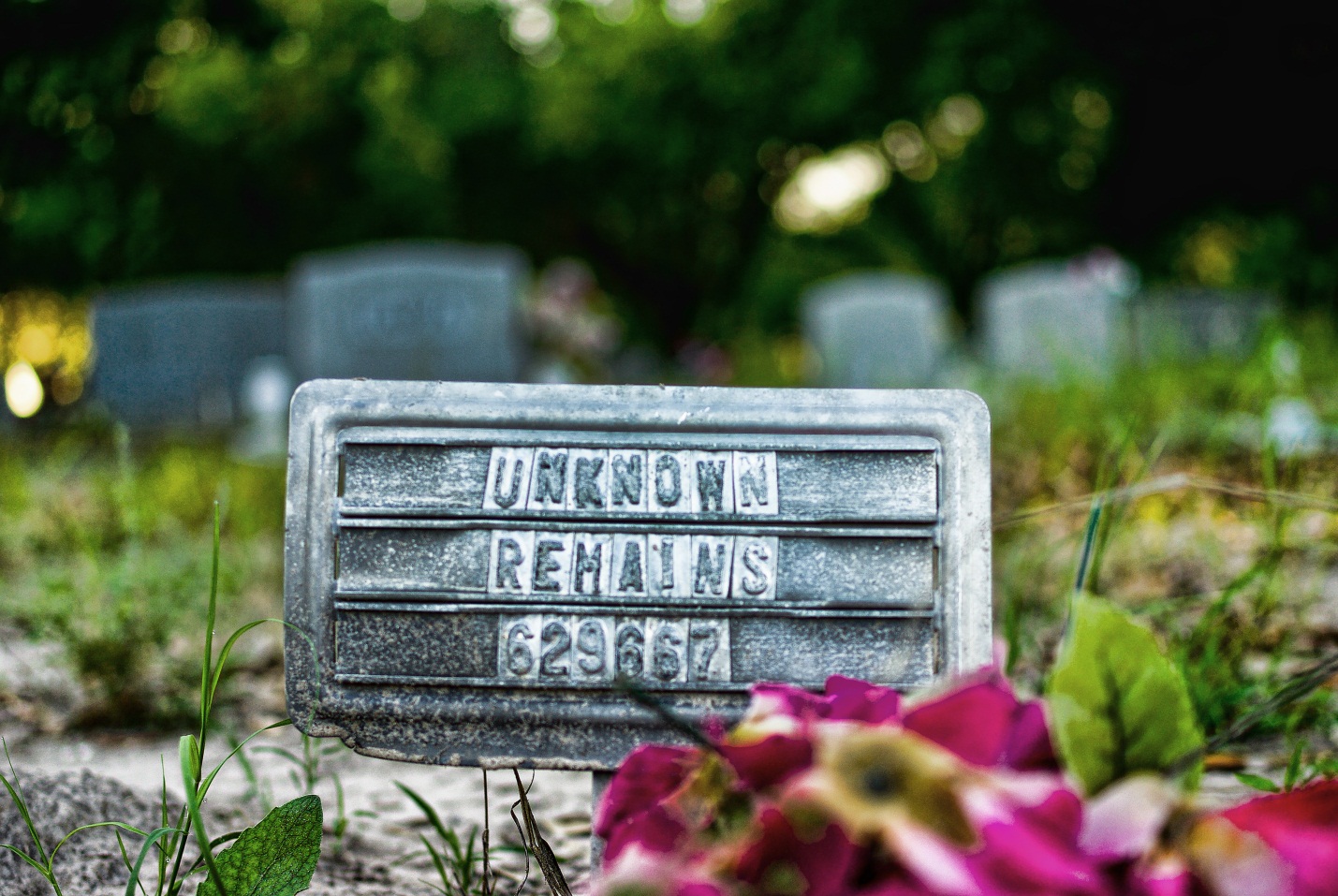
Image of a grave marker of unidentified remains
What I see when asked, “Why do you do this work?”

As I said last year, it isn’t over.  It can’t be – there is still so much work that needs to be done.  There are still people dying without a name.  There are still families without a place to grieve.  Everyday the hard working people of Texas are faced with this humanitarian crisis.  So many of them work tirelessly to ameliorate the problem in any way that they can.  I feel greatly honored just to have done my small part, and privileged to have done it by their side.

Justin